
Imagine this:
You’re heading out for your dog’s afternoon walk.
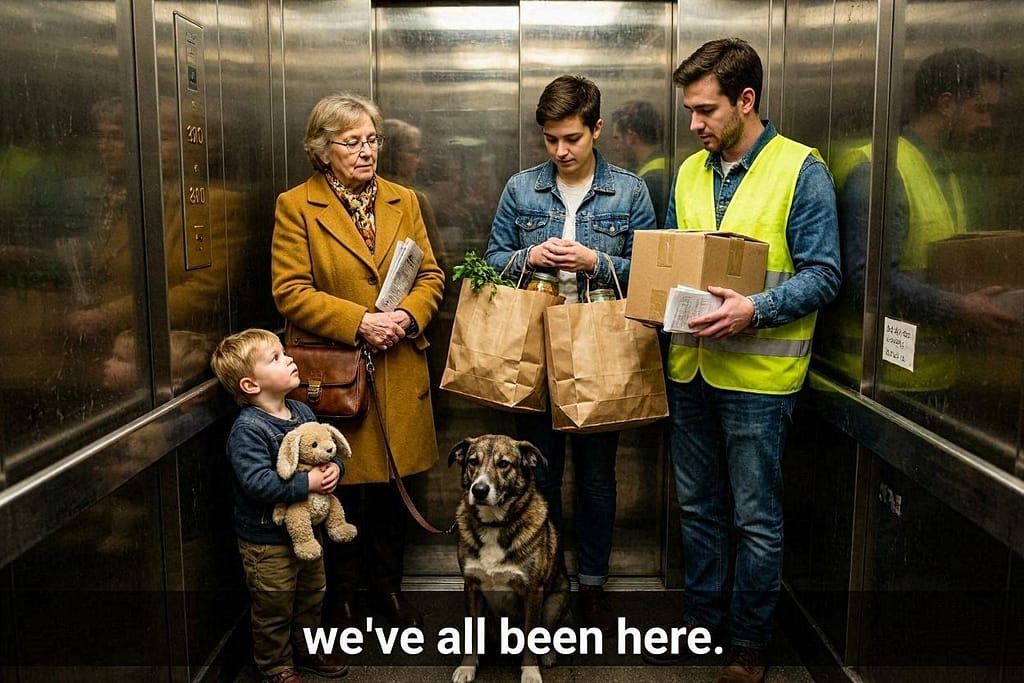
The elevator doors open to reveal a neighbor with groceries, a delivery person with a large package, and a curious toddler.
Your dog surges forward, leash tight, pulling you into the already crowded space.
The ride down feels eternal—tense silence broken only by your dog’s panting and the occasional whine.
If this scenario makes your heart race, you’re experiencing one of the most common yet unspoken challenges of urban dog ownership: navigating shared building spaces gracefully.
For the complete barking solution, see our urban silence protocol.
Elevators and stairwells aren’t just passageways in apartment living—they’re complex social arenas with unspoken rules, confined spaces, and unexpected encounters.
For dogs, these spaces can trigger anxiety, excitement, or territorial behavior.
For humans, they can become sources of daily stress and neighborly tension.
But here’s the good news:
Elevator and stairwell etiquette isn’t about luck or your dog’s innate personality.
It’s a teachable skill set that transforms these daily journeys from stressful obligations into opportunities to showcase your dog’s good manners.
We’ve trained this etiquette with dogs ranging from anxious rescues to over-enthusiastic puppies in high-rise buildings.
The transformation isn’t just about better behavior—it’s about building your dog’s confidence and your own peace of mind.
When your dog can navigate these spaces calmly, your entire urban living experience changes.
Ready to turn those awkward elevator encounters into smooth, polite interactions?
Let’s build your dog’s urban manners from the ground up.
Why Shared Spaces Require Special Training
Before we begin training, let’s understand what makes elevators and stairwells uniquely challenging:
The Elevator Challenge:
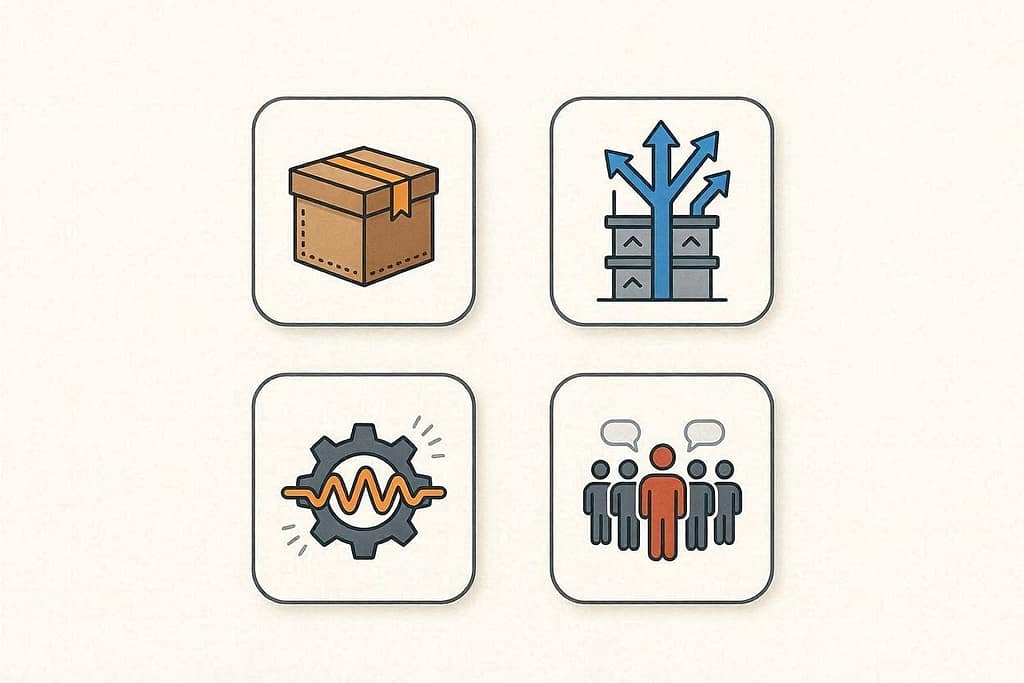
- Confinement: Small, enclosed space with limited escape routes
- Unpredictability: Unknown people may enter at any floor
- Mechanical elements: Strange sounds, vibrations, and movement
- Social pressure: Proximity to strangers creates tension
The Stairwell Challenge:
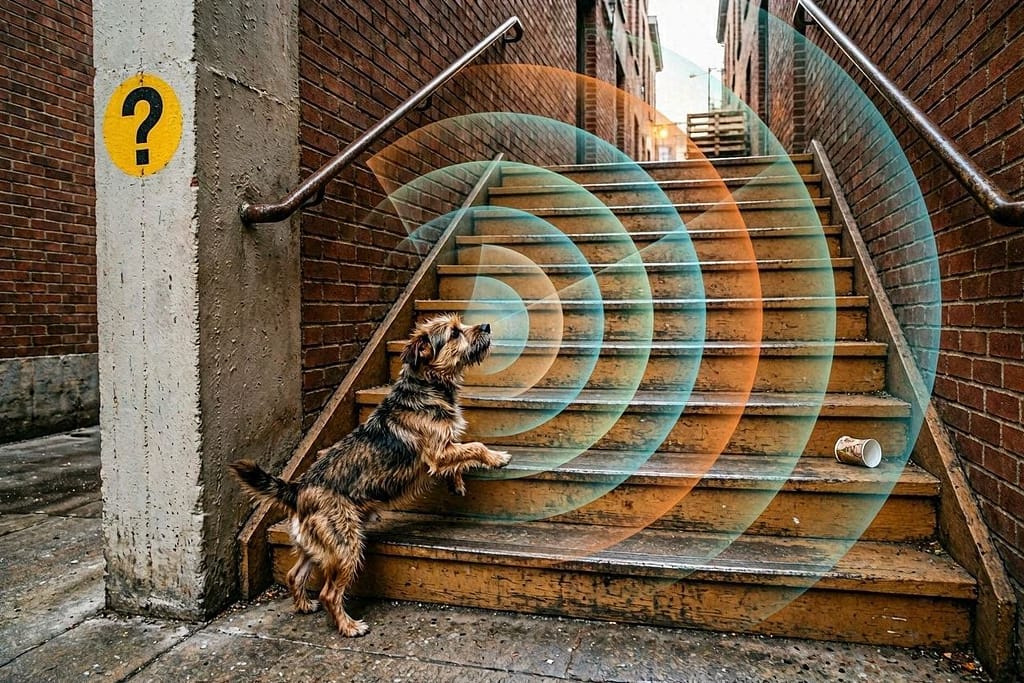
- Echoes and acoustics: Sounds are amplified, which can startle dogs
- Limited visibility: Blind corners create surprise encounters
- Physical difficulty: Especially challenging for small, senior, or injured dogs
- Confinement: Though larger than elevators, still an enclosed space
The Common Thread: In both environments, your dog has nowhere to go, which can trigger fight, flight, or freeze responses. Our job is to teach them that these spaces are neutral, safe, and governed by clear behavioral expectations.
Understanding the challenge is step one. Now let’s talk about the foundational skills your dog needs before you ever approach that elevator button.
Phase 1: Foundation Training at Home
Don’t wait until you’re in the elevator to start training. These foundational skills create success.
Skill 1: The “Watch Me” or Focus Cue
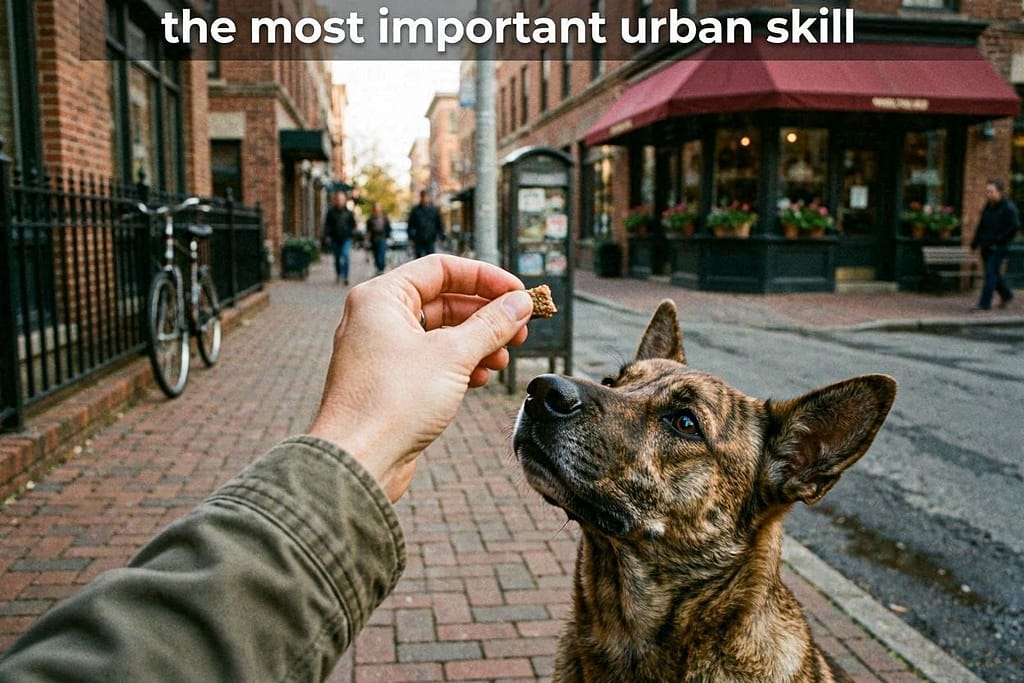
This is your most important tool—teaching your dog to look at you instead of environmental distractions.
- Training Method: Hold a treat at your eye level. When your dog makes eye contact, say “Yes!” and give the treat. Gradually add the cue “Watch me.”
- Urban Application: Use this when elevator doors open, when someone enters, or when passing others in stairwells.
Skill 2: Solid “Wait” and “Release” Cues
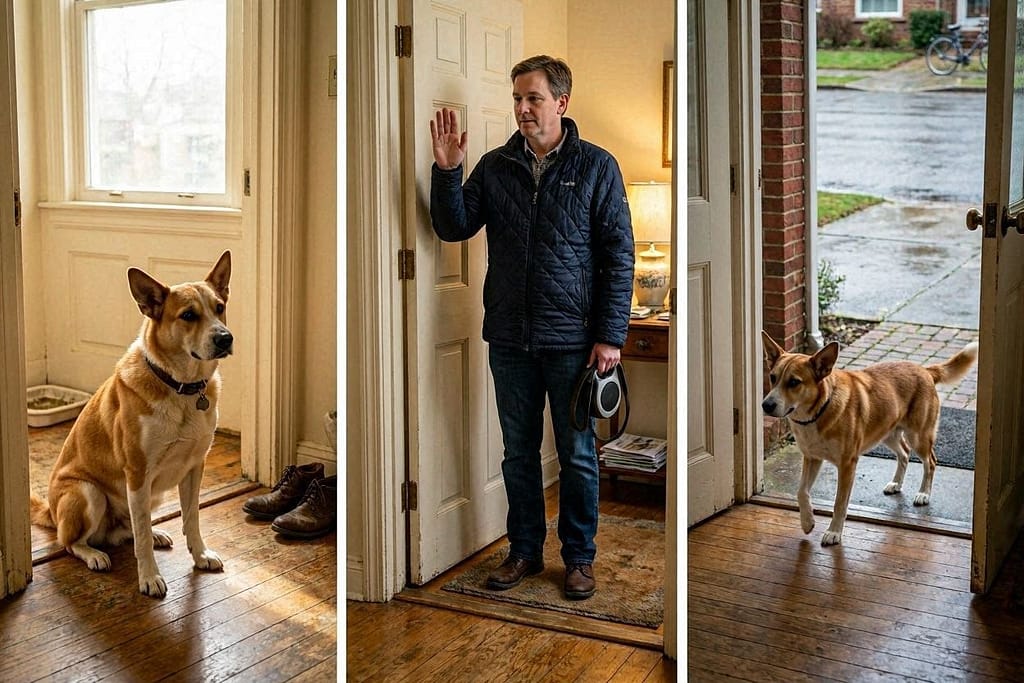
Crucial for doorways—both elevator and stairwell doors.
- Training Method: At your home doorway, ask your dog to “Sit” and “Wait.” Gradually open the door. If they move, close it. When they wait successfully, use a release word like “Okay” or “Let’s go.”
- Urban Application: Use before entering/exiting elevators and at stairwell doorways.
Skill 3: Polite Leash Manners in Tight Spaces
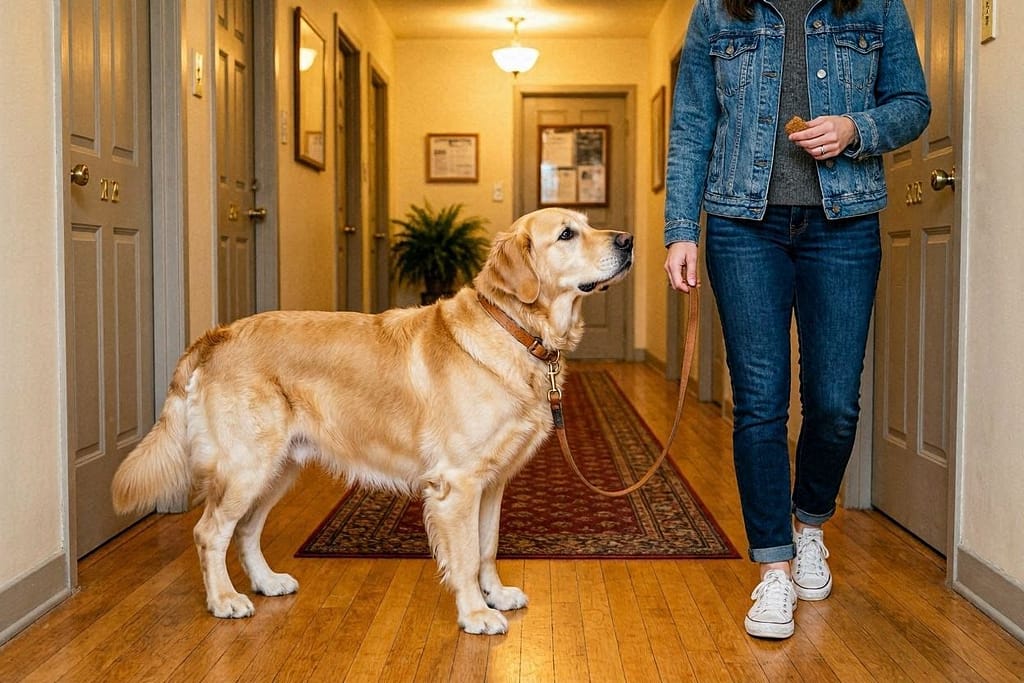
- Training Method: Practice “heel” or loose-leash walking in narrow hallways at home. Reward positioned at your side.
- Urban Application: Essential for positioning in elevators and single-file stairwell navigation.
Skill 4: The Emergency U-Turn
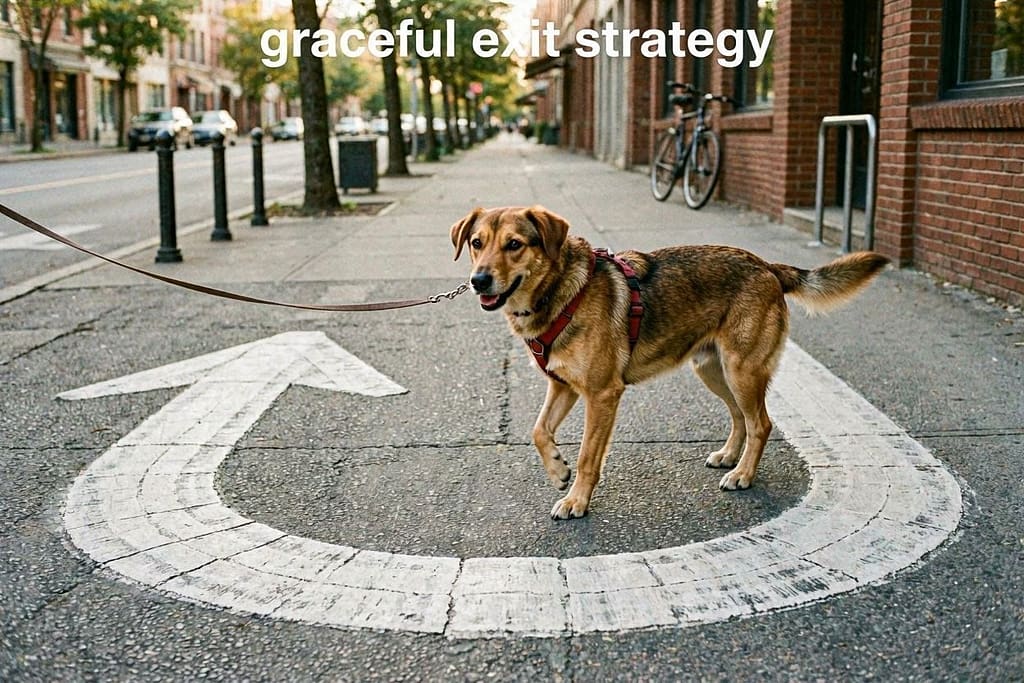
- Training Method: In a hallway, suddenly say “This way!” and turn 180 degrees, rewarding your dog for following.
- Urban Application: If an elevator is too crowded or a stairwell encounter seems problematic, you need a graceful exit strategy.
Pro Tip: Practice these skills in increasingly distracting environments—first in your quiet apartment, then in your building’s hallway during quiet times, then near (but not in) the elevator area.
“For complete loose leash walking exercises, see our apartment loose leash walking guide.
Foundations are set. Now let’s move to the main event: elevator-specific training.
Phase 2: Elevator Etiquette Training Step-by-Step
Week 1: Acclimation Without Riding
Goal: Create positive associations with the elevator area.
- Distance Observation: Sit with your dog far enough from the elevator that they’re relaxed. Reward calm behavior as doors open/close.
- Gradual Approach: Over several sessions, move closer. Reward quiet observation.
- Sound Desensitization: Record elevator sounds on your phone. Play at low volume at home while feeding treats, gradually increasing volume.

- Button Practice: Let your dog watch you press the call button from a distance. Reward calmness.
Week 2: Short, Solo Rides

Goal: Create positive experiences in the elevator without other passengers.
- Empty Elevator Entry: During off-hours, practice your “wait” cue before entering an empty elevator.
- Positioning: Teach a specific spot (usually a back corner) with a cue like “Place.” Reward heavily for going to that spot.
- Short Rides Up One Floor: Just go up and down one floor. Reward calm behavior throughout.
- Door Watching: Practice “watch me” as doors open on another floor (even if no one’s there).
Week 3: Adding Challenges Gradually
Goal: Build reliability with mild distractions.
- Introduce a “Decoy” Person: Have a family member or friend join your elevator practice sessions.

2. Practice “Exit Etiquette”: Always ask your dog to “wait” before exiting, then release.
3. Random Rewards: Sometimes reward with high-value treats for especially calm behavior.
4. Different Elevators: If your building has multiple elevators, practice in all of them.
For reducing barking triggers in hallways, see our apartment barking triggers guide.
Week 4: Real-World Application
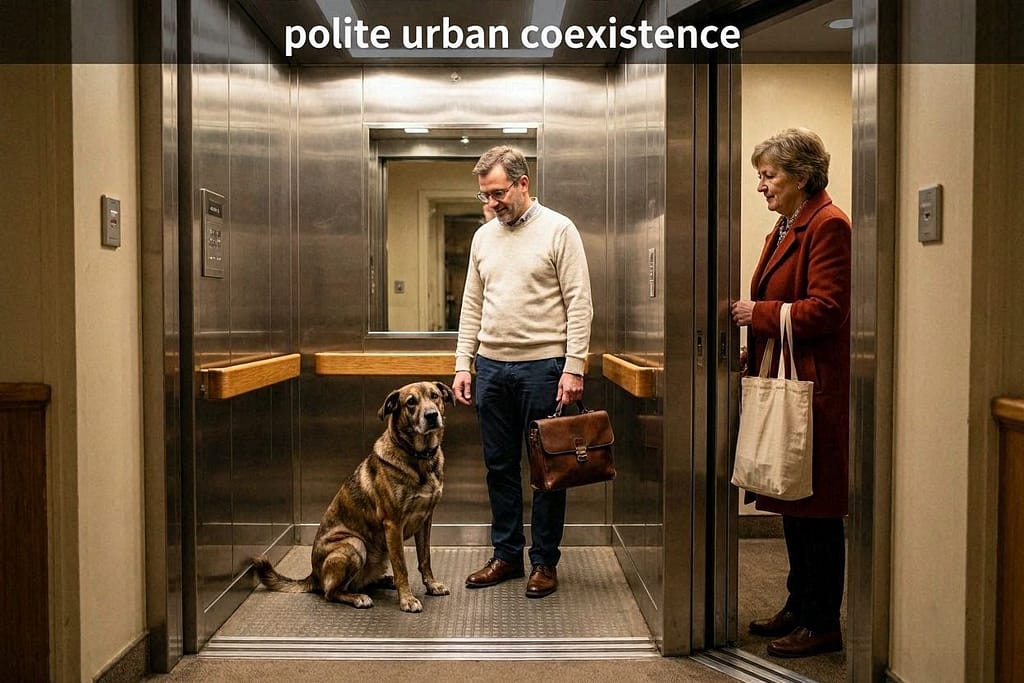
Goal: Generalize skills to actual building use.
- Quiet Hours First: Use the elevator during building quiet hours initially.
- The “Full Ride” Protocol: Enter, take position, “watch me” during stops, wait before exiting.
- Neighbor Encounters: If a neighbor enters, ask your dog to “watch me” and reward frequently.
- The Polite Refusal: If the elevator is too crowded, practice your emergency U-turn. “Oops, let’s catch the next one!”
Elevator mastery achieved? Perfect. Now let’s tackle the vertical challenge of stairwells.
Phase 3: Stairwell Etiquette Training
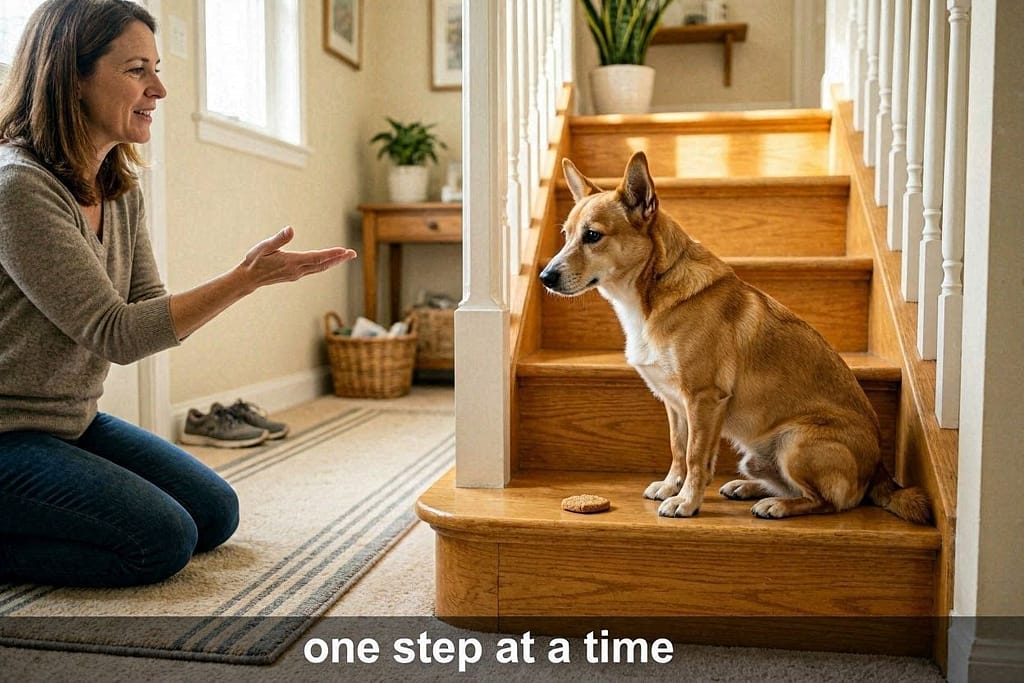
Stairwells present different but equally important challenges.
For Physical Safety & Confidence:
- Individual Step Training: At home, using a single stair or small platform, reward any interaction with stairs. Build up to multiple steps slowly.
- Surface Desensitization: Metal grating, concrete, and slippery surfaces can be scary. Place treats on different surfaces to create positive associations.
- Pace Training: Teach “easy” or “slow” on stairs to prevent racing or pulling.
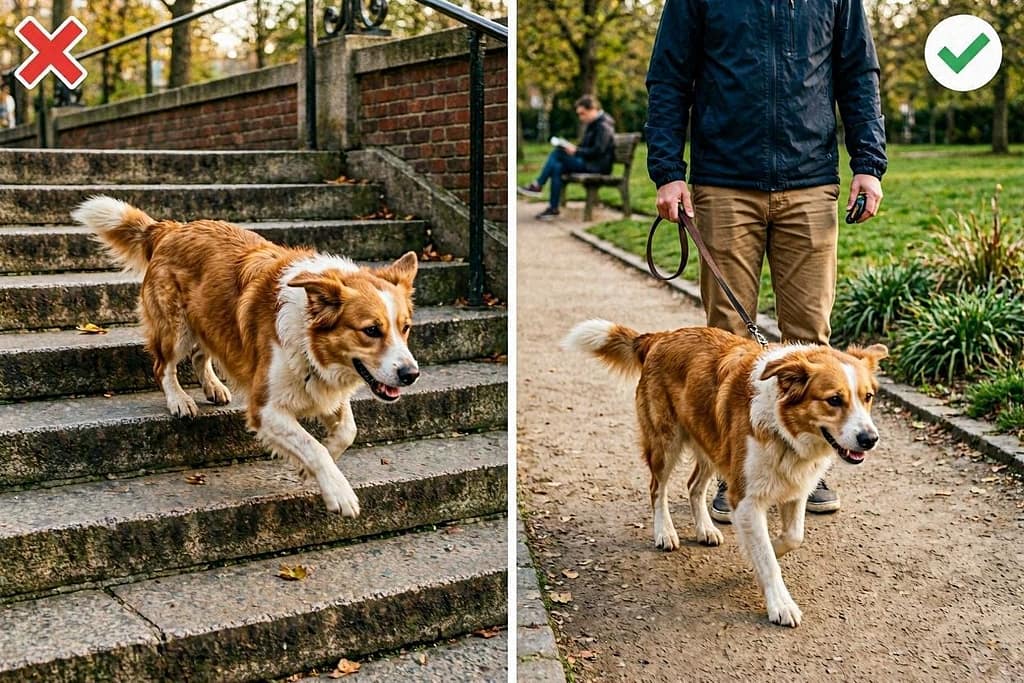
4. Resting on Landings: Practice settling on stairwell landings to prepare for encounters.
For Social Etiquette in Stairwells:
- The Single-File Rule: Always keep your dog on the inside (wall side), with you between your dog and the open side.
For quiet command training in shared spaces, see our quiet command training guide.
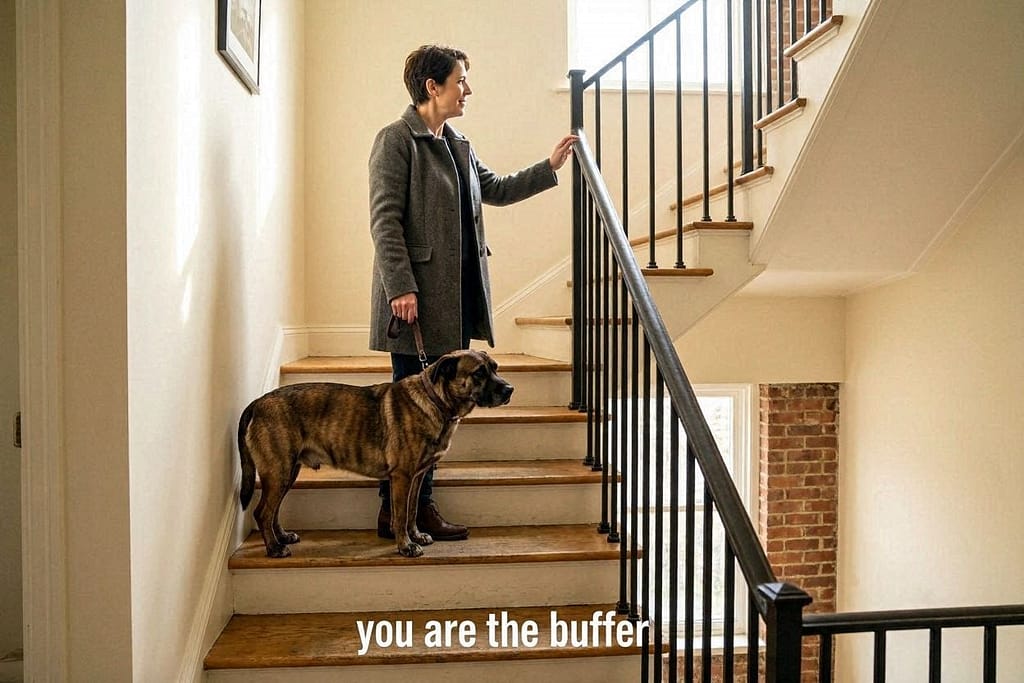
2. Passing Protocol: When someone needs to pass, move to a landing if possible. Ask your dog to “sit” and “watch me” as others pass.
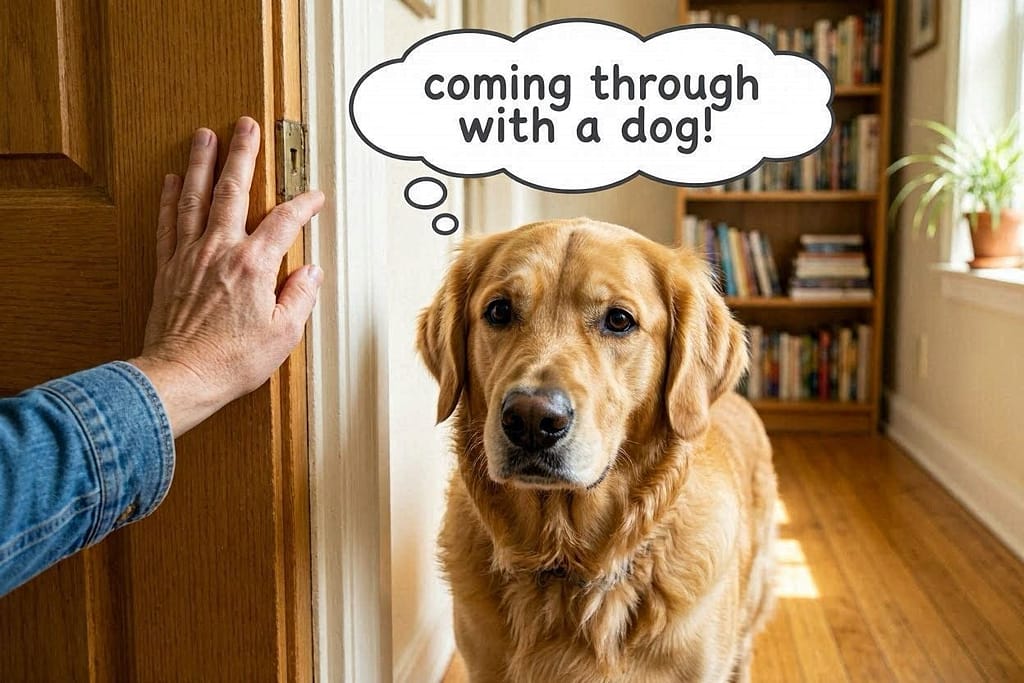
3. Blind Corner Announcement: Before turning corners, say something like “Coming through!” or “Dog on stairs!” to alert others.
4. The Up/Down Right-of-Way: Generally, dogs going up should yield to those coming down (easier to control on ascent).
Special Considerations:
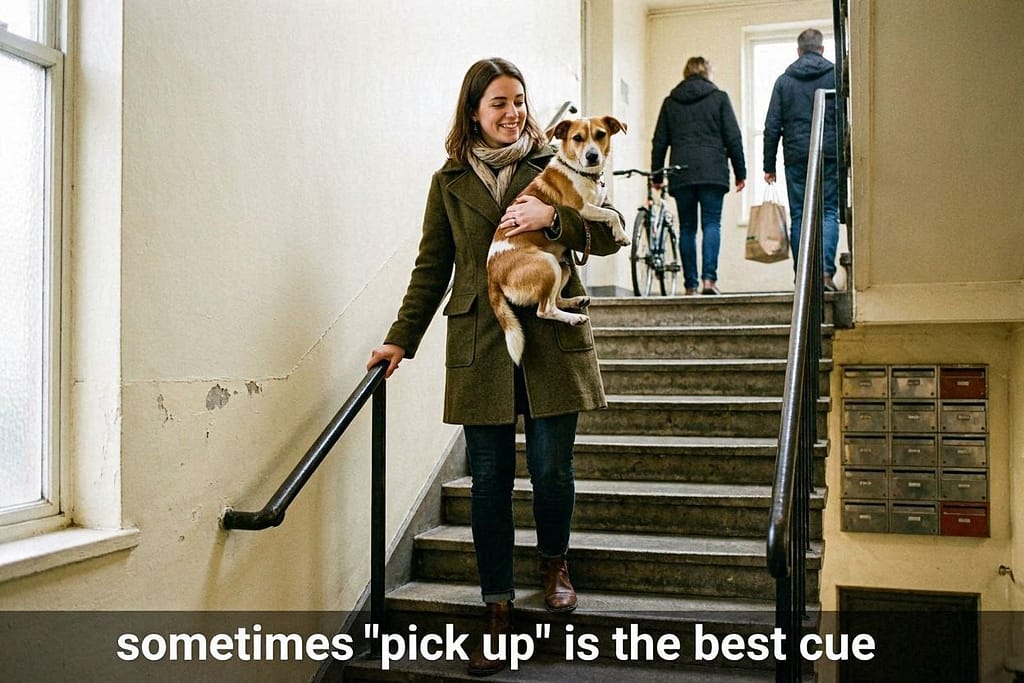
- Small Dogs: May need to be carried for certain flights. Train a “pick up” cue.
- Senior/Injured Dogs: Consider if stairs are appropriate. Sometimes using elevators for certain floors is wiser.
- Brachycephalic Breeds (like Bulldogs, Pugs): Monitor breathing closely on stairs.
With both environments covered, what about those inevitable challenging moments? Let’s troubleshoot.
Troubleshooting Common Problems
Problem: My dog is afraid of the elevator.
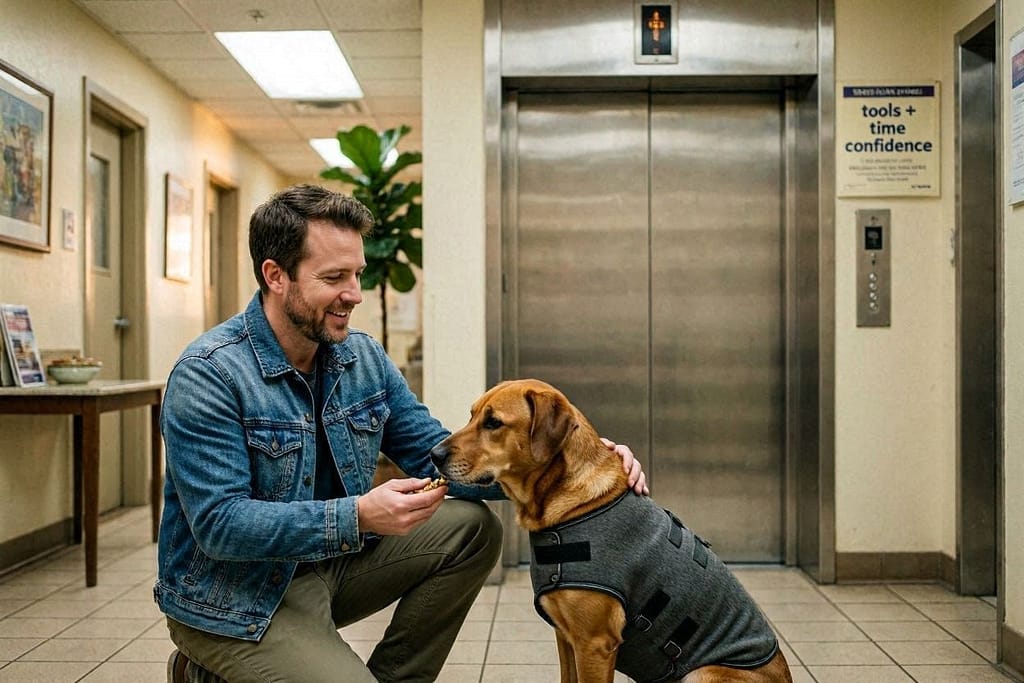
- Solution: Go back to Phase 2, Week 1. Spend more time creating positive associations without riding. Use higher-value treats. Consider if your dog would benefit from a Thundershirt or calming pheromone spray during initial training.
Problem: My dog tries to bolt into/out of the elevator.
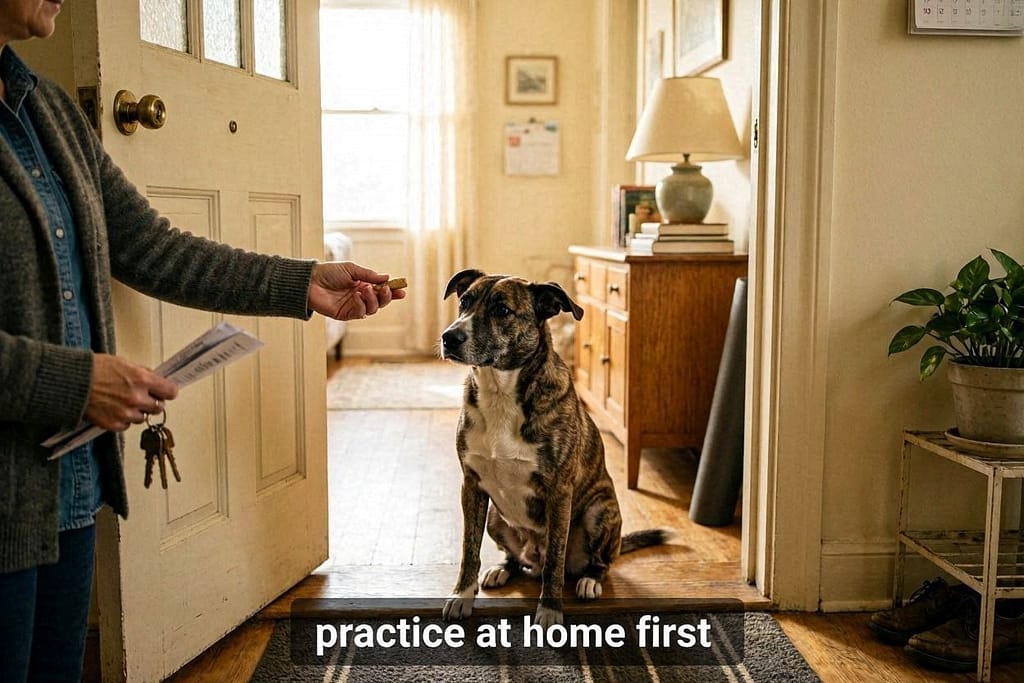
- Solution: Strengthen your “wait” and “release” cues. Practice at home doorways more extensively. Consider a front-clip harness for more control during training phases.
Problem: My dog barks/growls at people in close quarters.
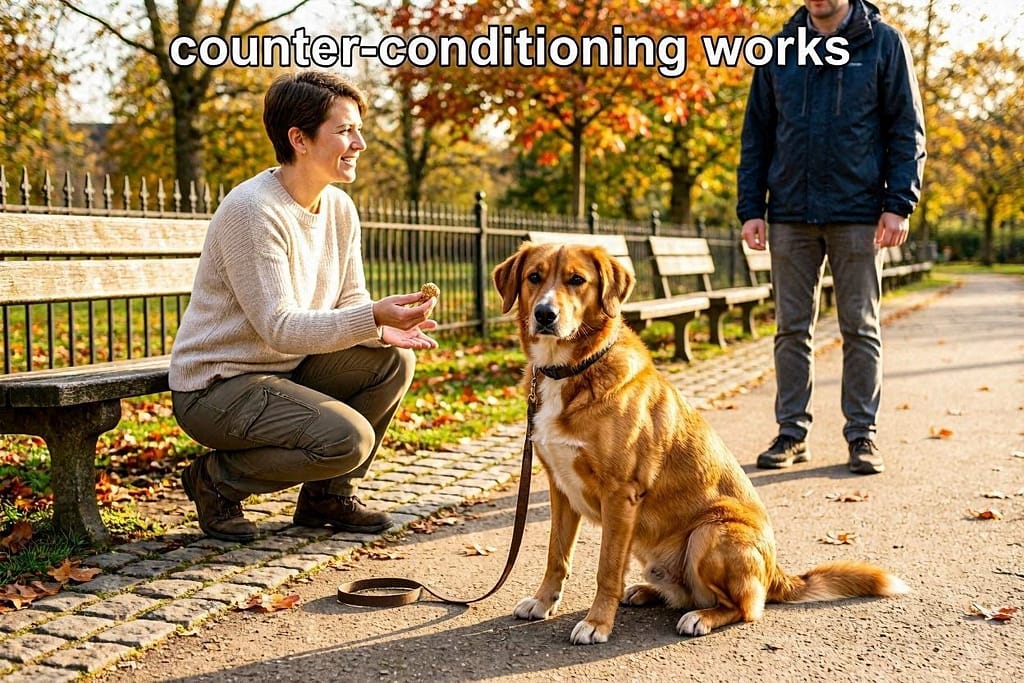
- Solution: Increase the distance immediately. This is likely fear-based. Work more on “watch me” and counter-conditioning (treats when people appear at a distance). Consider consulting a professional trainer for reactivity issues.
For leash reactivity management, see our leash reactivity guide
Problem: My dog urinates in the elevator/stairwell.
- Solution: This is likely marking from anxiety or excitement. Make sure your dog is completely emptied before training sessions. Clean accidents thoroughly with an enzymatic cleaner. Go back to basic calmness training in those spaces.
Problem: We encounter off-leash dogs in shared spaces.
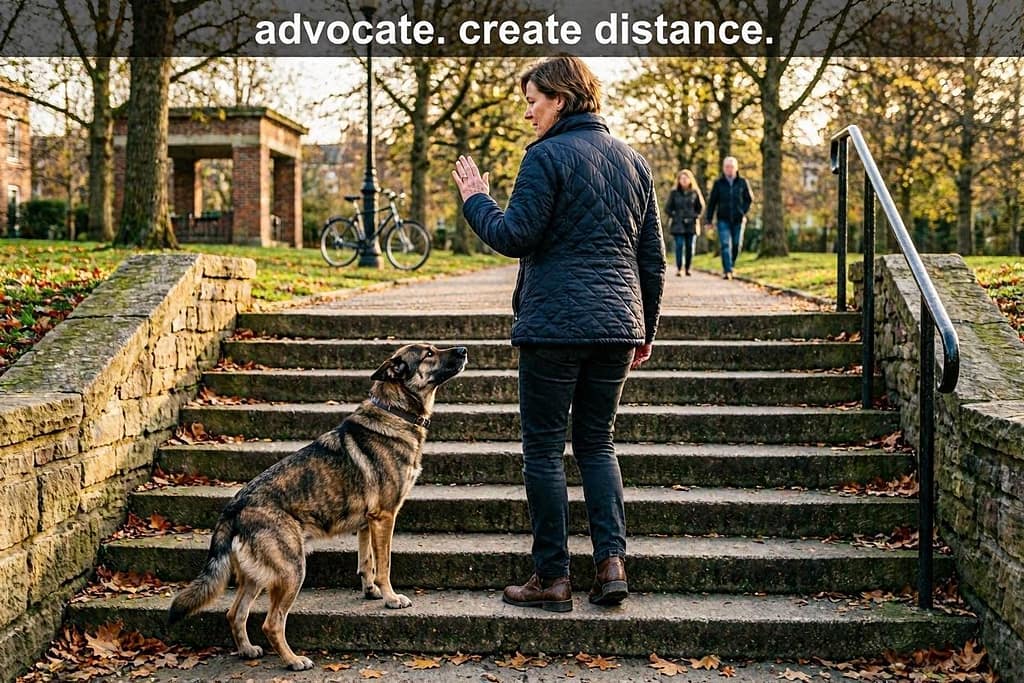
- Solution: Advocate for your dog. Politely say, “Could you please leash your dog? Mine is in training.” Use your emergency U-turn to create distance if needed. Report repeated incidents to building management if your building has leash rules.
For demand barking management, see our guide to stopping demand barking
Beyond solving problems, how do we ensure long-term success and good neighbor relations?
The Good Neighbor Policy: Building Community Respect
Your dog’s behavior in shared spaces affects how your entire building perceives pet owners.
- The 10-Second Rule: Assume any elevator ride will be short. Your dog should be able to maintain manners for at least 10 seconds of close confinement with others.
- Always Ask: “Is it okay if we share the elevator?” Some people are genuinely afraid of dogs or have allergies.
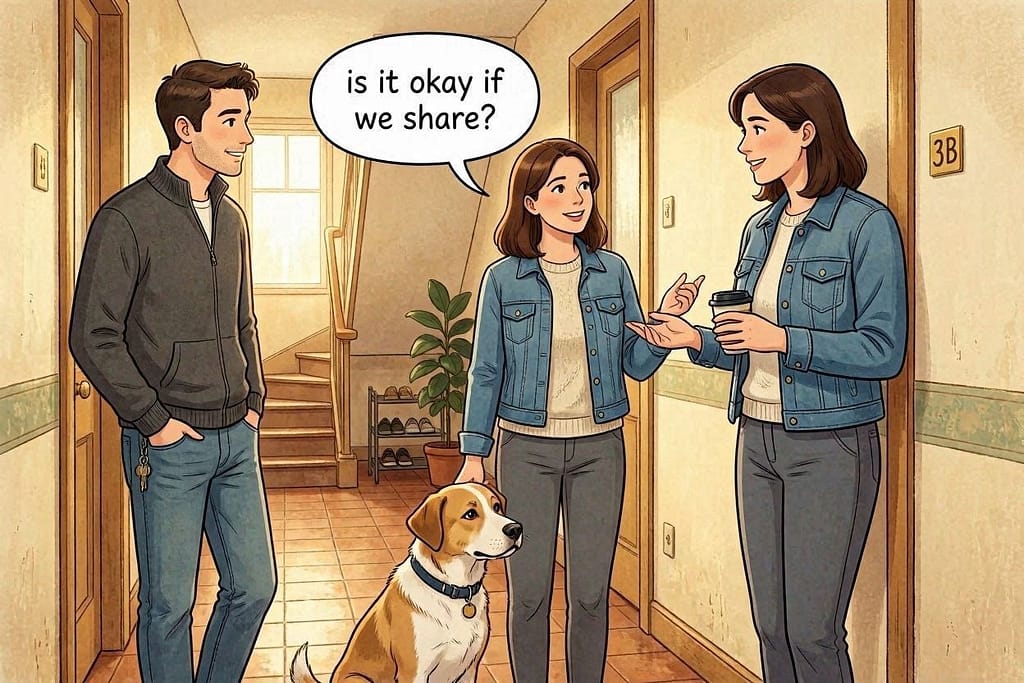
3. The Apology Protocol: If your dog has an off day (jumps, barks), a simple “I’m so sorry, we’re still working on our elevator manners” goes a long way.
For building introductions and goodwill, see our apartment building introduction guide.
4. Manage Expectations: Use visible tools like an “In Training” vest or leash sleeve to signal to neighbors that you’re actively working on manners.
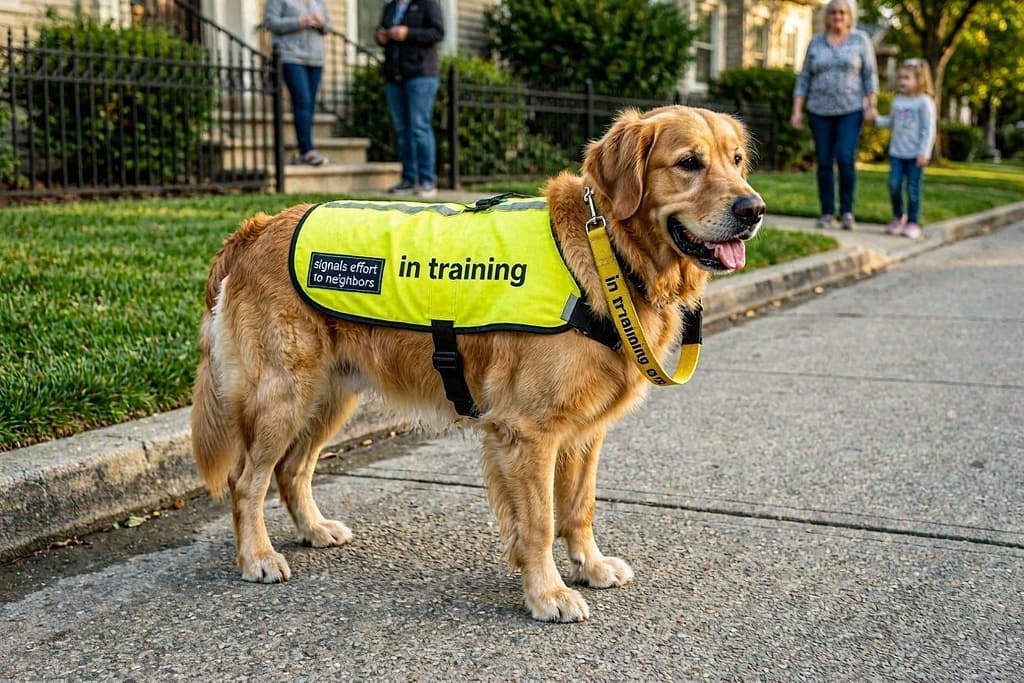
5. Advocate for Your Dog: If someone tries to pet your dog without asking in a confined space, politely say, “We’re practicing calm behavior right now, but thank you!”
Special Scenarios & Advanced Training
For Service Dogs & ESAs: The same etiquette applies, though you may need to advocate more firmly for your right to access these spaces.
Multiple Dogs: If you have more than one dog, practice individually first, then together during quiet hours. You may need to take separate elevators during busy times.
Freight Elevators: If your building has one, practice there too—the larger space and different sounds are valuable training experiences.
Fire Drill Preparedness: Practice using stairwells in a calm, non-emergency context so your dog won’t panic during actual drills or emergencies.
Your 30-Day Implementation Plan
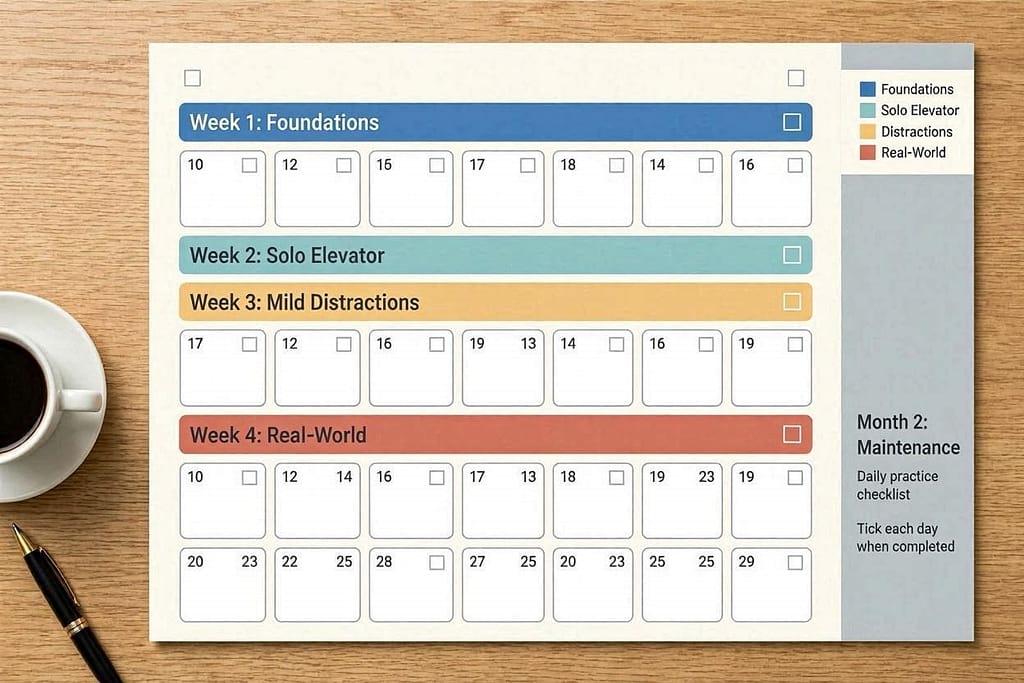
Week 1: Foundation skills at home + elevator area observation
Week 2: Solo elevator rides + stairwell step training
Week 3: Adding mild distractions to both environments
Week 4: Real-world application during quiet hours
Month 2: Maintenance and refinement during busier periods
The Art of Graceful Urban Coexistence
Training elevator and stairwell etiquette is more than teaching commands—it’s about fostering a mindset of mutual respect in shared urban spaces.
Every polite elevator ride, every calm stairwell passing, contributes to a building environment where dogs are welcomed as considerate neighbors rather than tolerated nuisances.
The journey will have setbacks.
There will be days when the elevator is unusually crowded, or your dog is unexpectedly startled.
For mental stimulation that reduces anxiety, see our sniffari walk guide
What matters is your consistent commitment to gentle guidance and positive reinforcement.
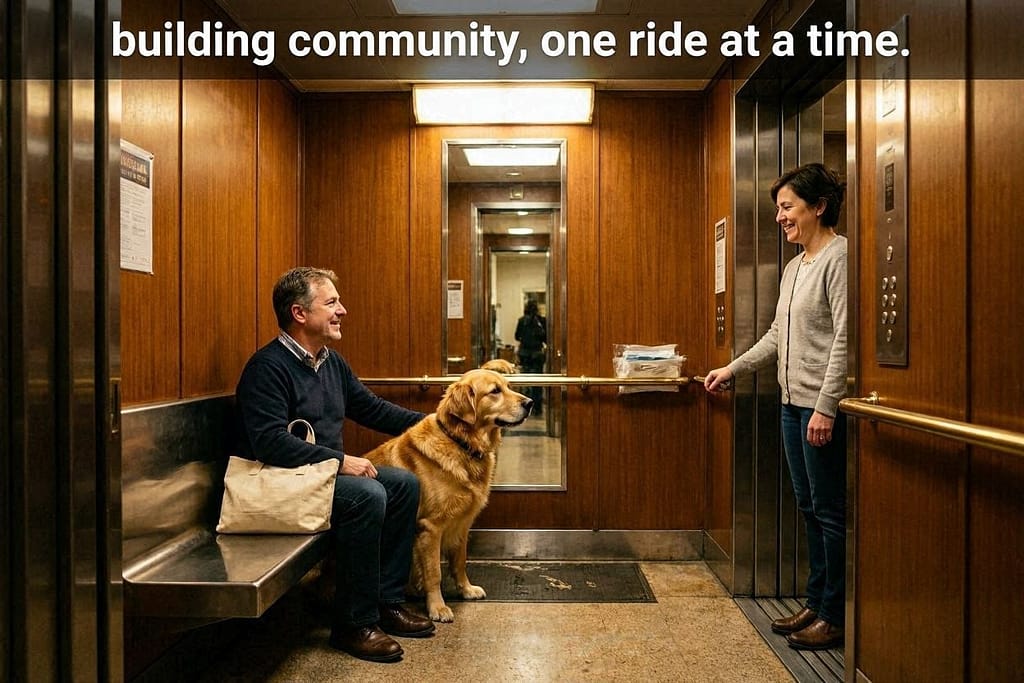
When you step into an elevator with your calm, well-mannered dog by your side, and you see your neighbors smile rather than tense up, you’ll experience one of the most rewarding moments of urban dog ownership.
You’re not just sharing space—you’re building community, one polite elevator ride at a time.
🐾 — Apartment Dog Guide (ADG)
Living large in small spaces, one paw at a time. That’s the apartment dog life—see you in the next guide!.


