
Imagine this:
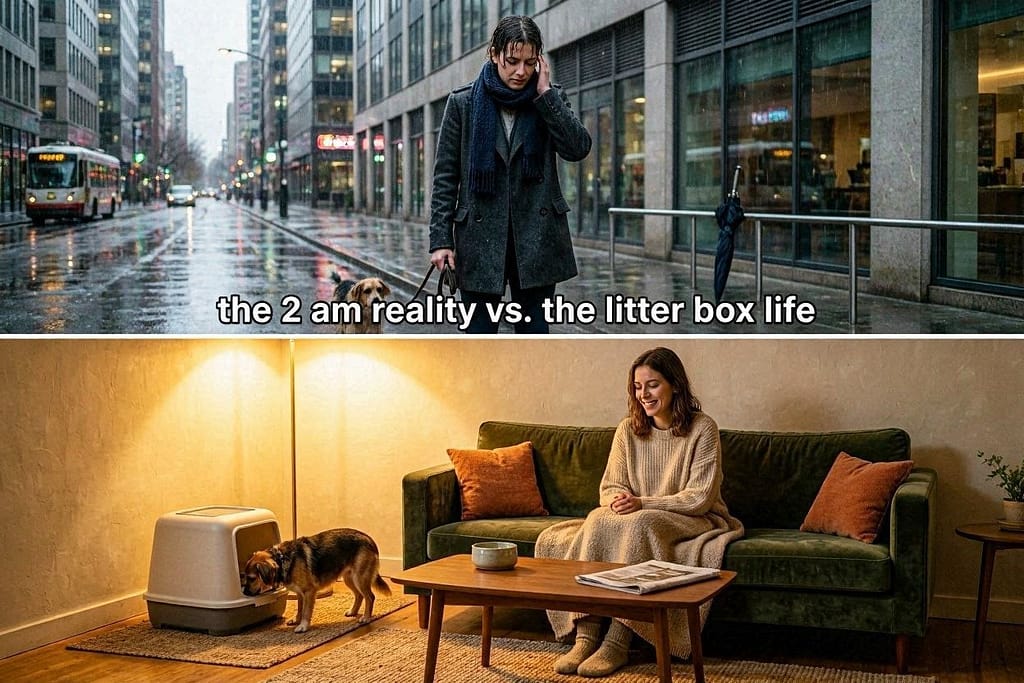
It’s 2 AM, pouring rain, and your 4-pound Chihuahua needs to go out.
You’re on the 18th floor.
The elevator ride feels endless. As you stand there in your pajamas, a thought hits: “There has to be a better way.”
What if we told you there is?
What if your tiny companion could handle their business in a discreet, clean corner of your apartment, 24/7, no weather gear required?
Welcome to the secret world of successful litter box training for small dogs.
While cats have had this luxury for centuries, small dog owners are just discovering this game-changing apartment hack.
But here’s what most guides won’t tell you:
Litter box training isn’t about forcing cat habits on dogs.
It’s about leveraging your dog’s instincts and creating a system that aligns with their psychology.
We’ve successfully litter box trained three small dogs over 10 years of apartment living.
many’ve made every mistake, so you don’t have to.
This isn’t theory—this is a battle-tested, step-by-step system that works for dogs as small as 2 pounds and as stubborn as they come.
Ready to transform your potty routine?
Let’s begin.
Why Litter Box Training Works for Small Dogs (And Why Size Matters)
First, let’s address the elephant in the room: “Dogs don’t use litter boxes!”
Actually, they can—brilliantly—when you understand these key principles:
1. The Denning Instinct: Dogs naturally avoid soiling their sleeping area. A litter box placed away from their bed becomes a designated “bathroom zone” they’ll naturally want to use.
2. Small Dog Advantages:
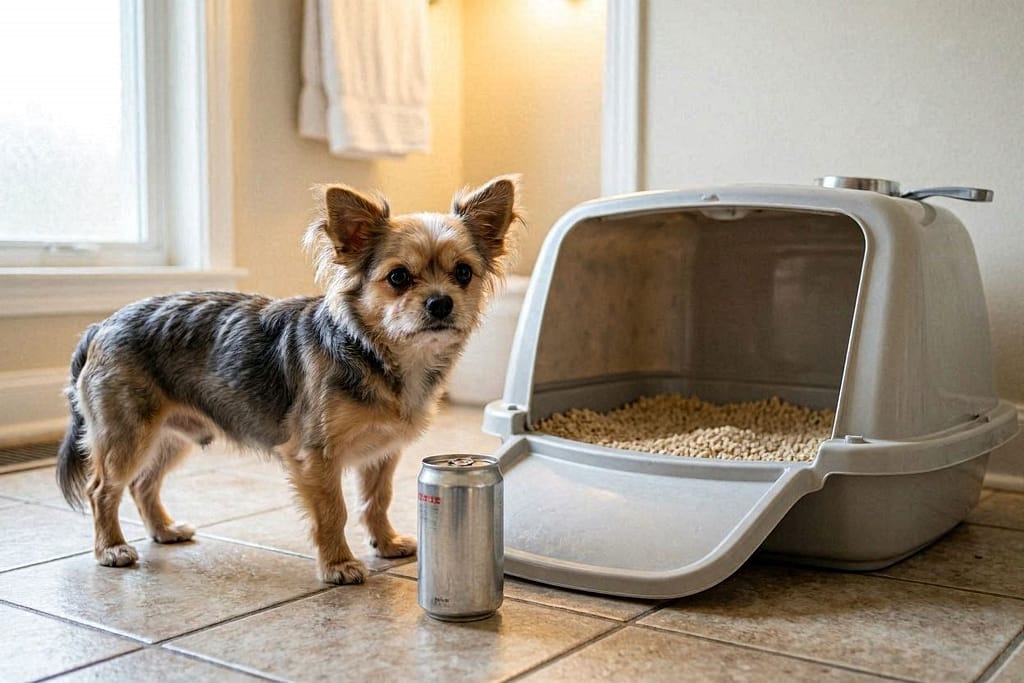
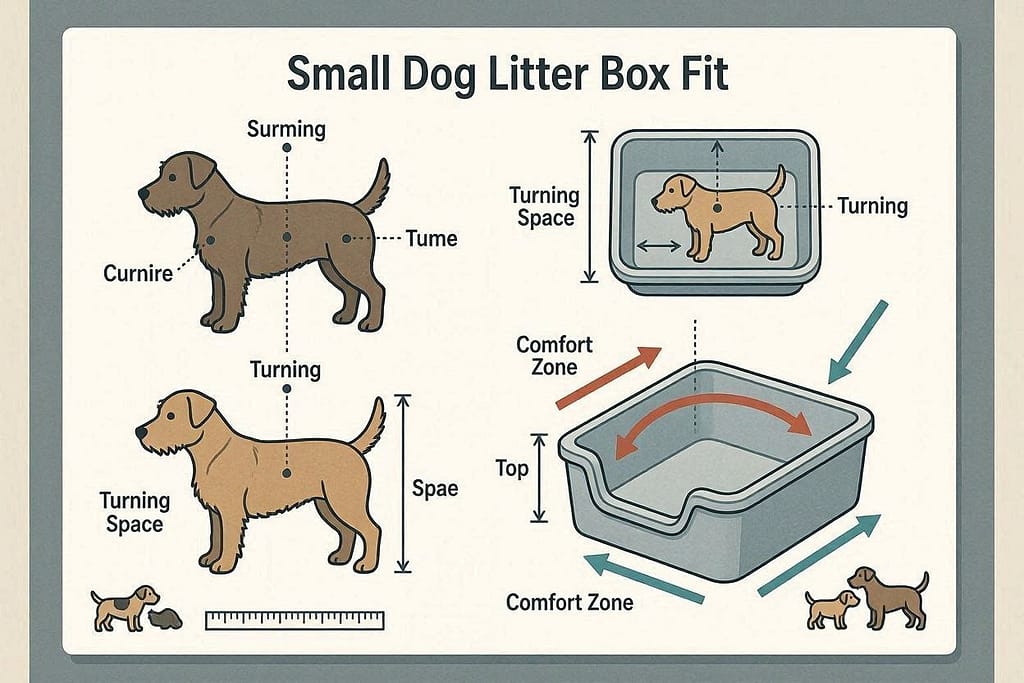
- Physically: They can comfortably enter, turn around, and position themselves in a reasonably sized box.
- Psychologically: Many small breeds are naturally cleaner and more particular than larger dogs (think: Toy Poodles, Chihuahuas, Yorkies).
- Logistically: Their waste is manageable in a litter system.
3. The Texture Preference: Many dogs already prefer soft, absorbent surfaces (hello, your favorite rug!). The right litter mimics this.
Who Benefits Most from This Guide?
- Apartment dwellers above the ground floor
- Owners of toy and small breeds (under 15 pounds)
- Those with mobility issues or demanding schedules
- People in extreme climates
- Puppy owners wanting a consistent indoor option
- Senior dogs with decreasing bladder control
Convinced?
Before we start training, we need the right equipment.
Step 1: The Setup – Choosing Your Litter Box Arsenal
Getting your tools right is 50% of success. Here’s what you actually need:
The Box: Size, Style & Placement
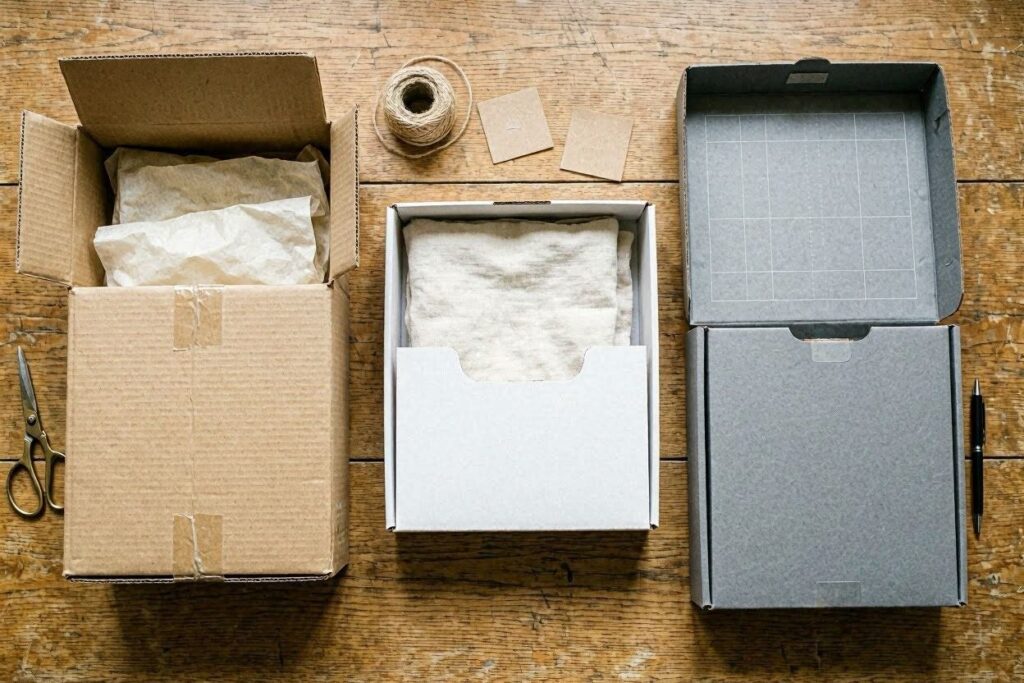
Size Rule: At least 1.5 times your dog’s length from nose to tail base.
Style Options:
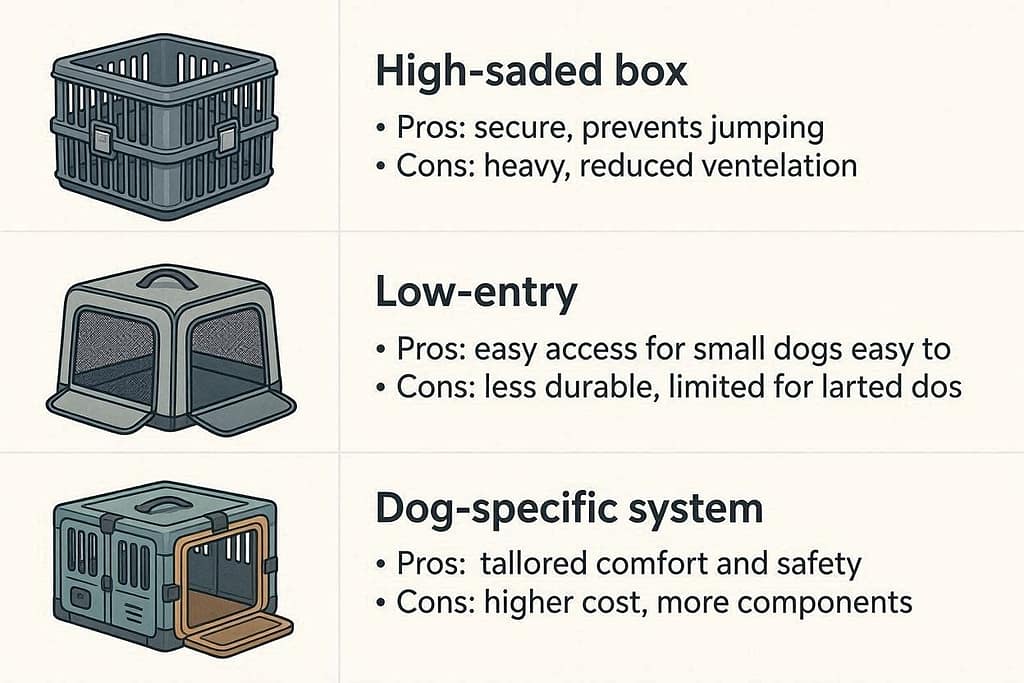
- High-Sided Box: Best for male dogs who lift legs. Prevents spills.
- Low-Entry Box: Ideal for seniors, puppies, or tiny breeds. Look for ones with 2-3 inch entry walls.
- Top-Entry Box: Contains litter scatter but may intimidate some dogs. Best introduced after training.
- Dog-Specific Systems: Like the PuppyGoHere or So Phresh systems featuring fake-grass inserts.
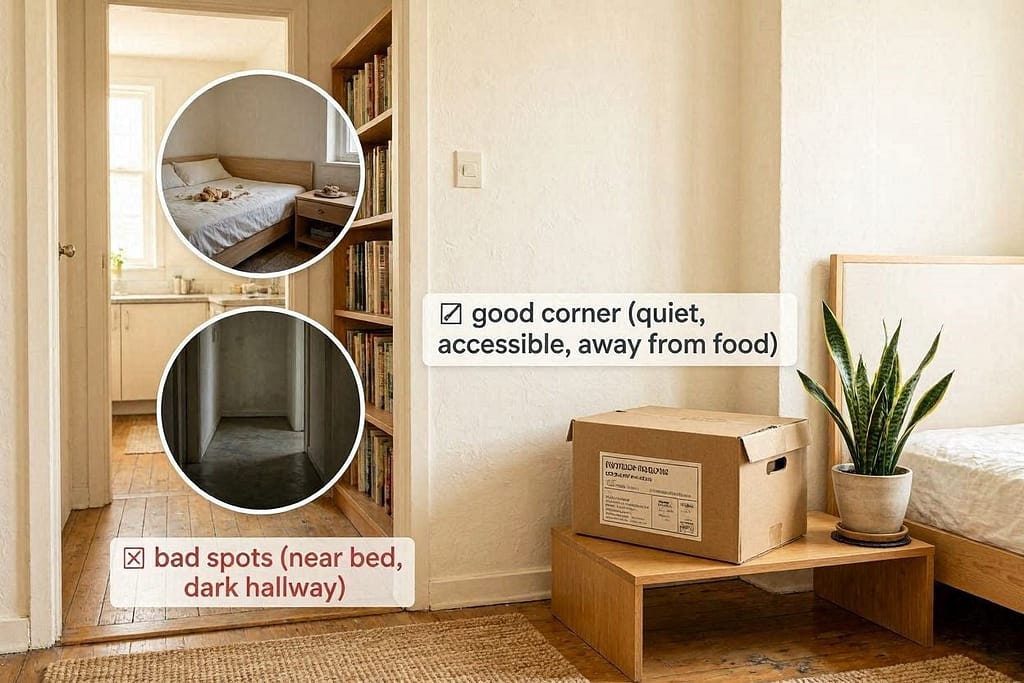
Placement Psychology:
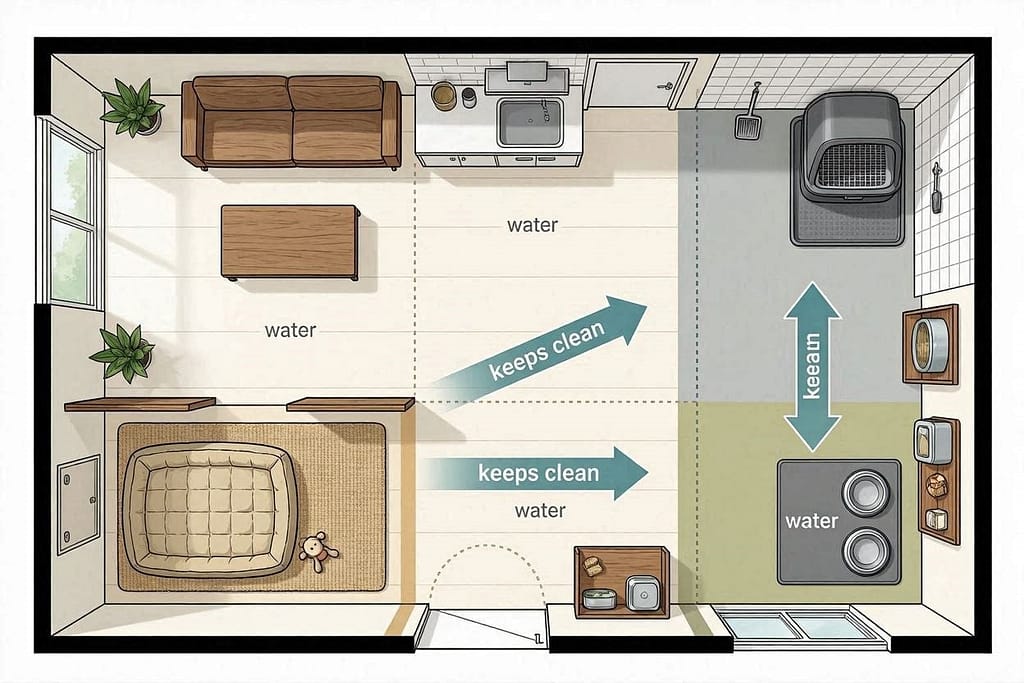
- NOT near food/water bowls (dogs keep eating and bathroom areas separate)
- NOT in dark, scary corners
- DO place in a quiet, low-traffic but accessible corner of a room you both use (like a bathroom or laundry room)
- DO ensure multiple escape routes so your dog doesn’t feel trapped
The Litter: The Make-or-Break Choice
AVOID: Clumping clay (harmful if ingested), scented litters (overwhelm the dog’s nose), crystal litters (sharp on paws).
RECOMMENDED Options:
- Paper-Based Pellets (Yesterday’s News, So Phresh): Highly absorbent, low dust, safe if ingested.
- Grass-Style Pads (Fresh Patch-style in a tray): Feels most natural for transition from outdoors.
- Wheat or Corn-Based Litter: Clumps naturally, biodegradable.
- Simple Potty Pads in a tray: Familiar for many dogs, but less environmentally friendly.
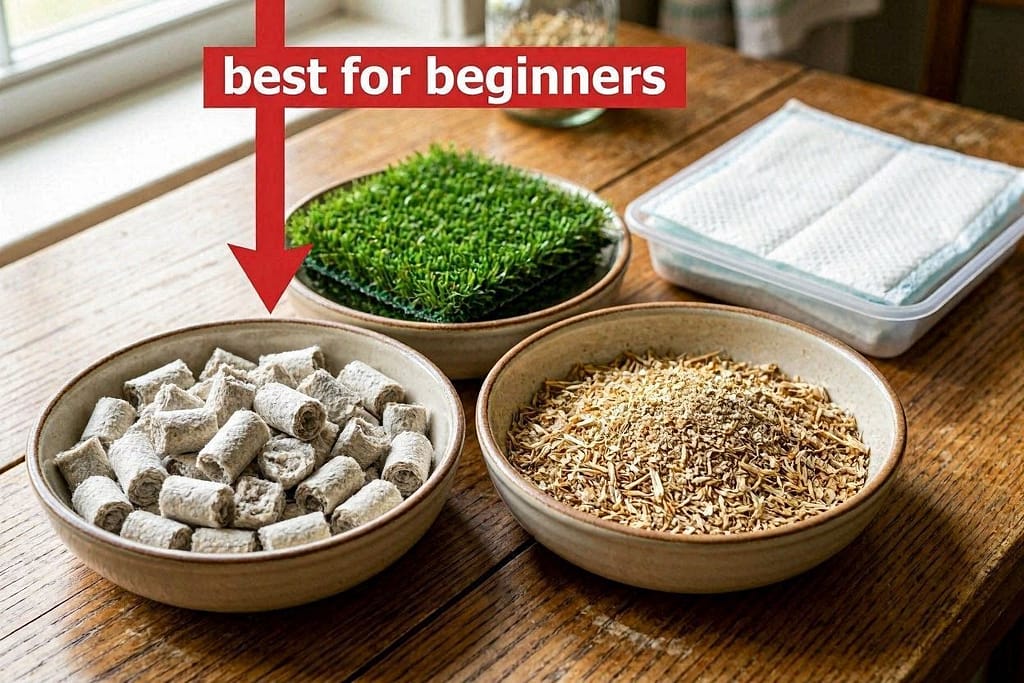
Our Top Pick for Beginners: Paper pellets. They’re affordable, obvious when soiled, and most dogs accept them readily.
The Extras That Elevate Success:
- Washable Mat underneath to catch scattered litter
- Enzymatic Cleaner (Nature’s Miracle) for accidents
- High-Value Treats reserved ONLY for litter box success
- Pee Post attachment for male dogs (a simple plastic pole)
Equipment check complete? Now for the main event: the training protocol.
Step 2: The 14-Day Training Protocol – Phase by Phase
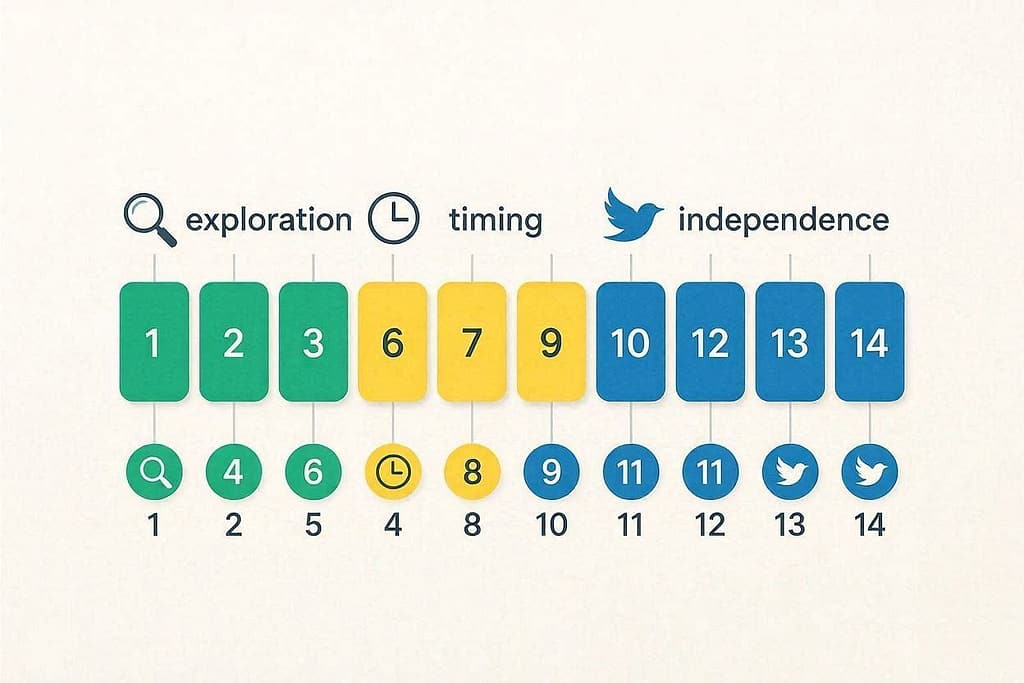
This isn’t just “show them the box.” This is a psychological retraining.
Days 1-3: Association & Exploration (No Pressure)
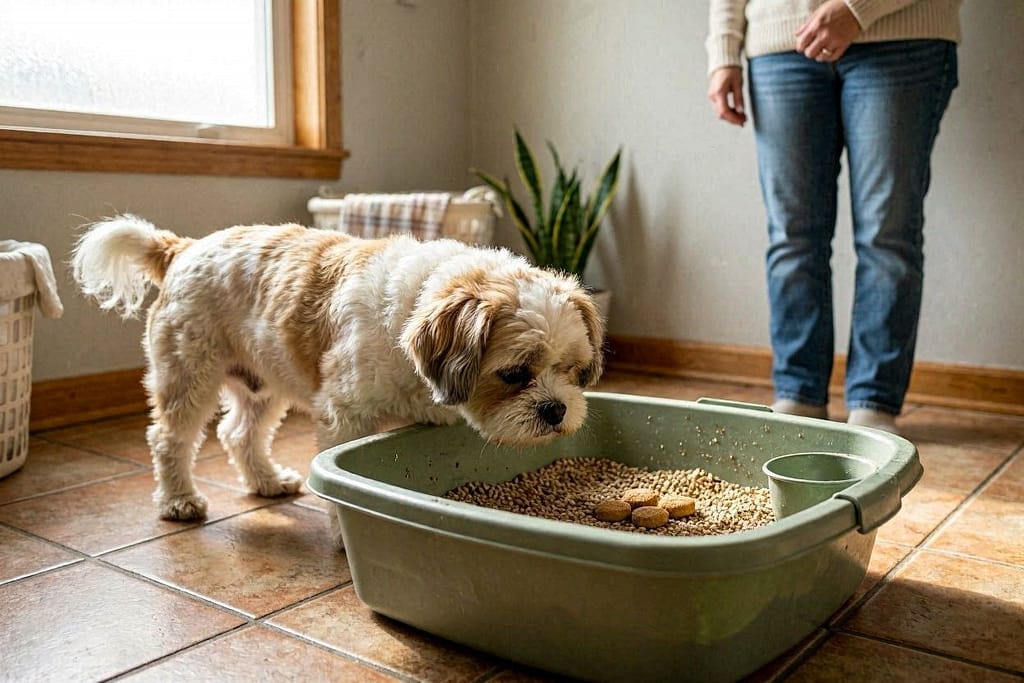
Goal: Make the box the most interesting spot in the apartment.
- Action: Place the box in the chosen location. Let your dog investigate freely.
- Secret Move: Hide incredible treats (boiled chicken, cheese bits) in the clean litter throughout the day. Let them “discover” them.
- Never force. If they step in voluntarily, throw a party! Treats, praise, joy.
- Keep them on a leash when not in a crate to prevent stealth accidents elsewhere.
Days 4-7: Timing & Catching the Moment
Goal: Connect the physical need with the box location.
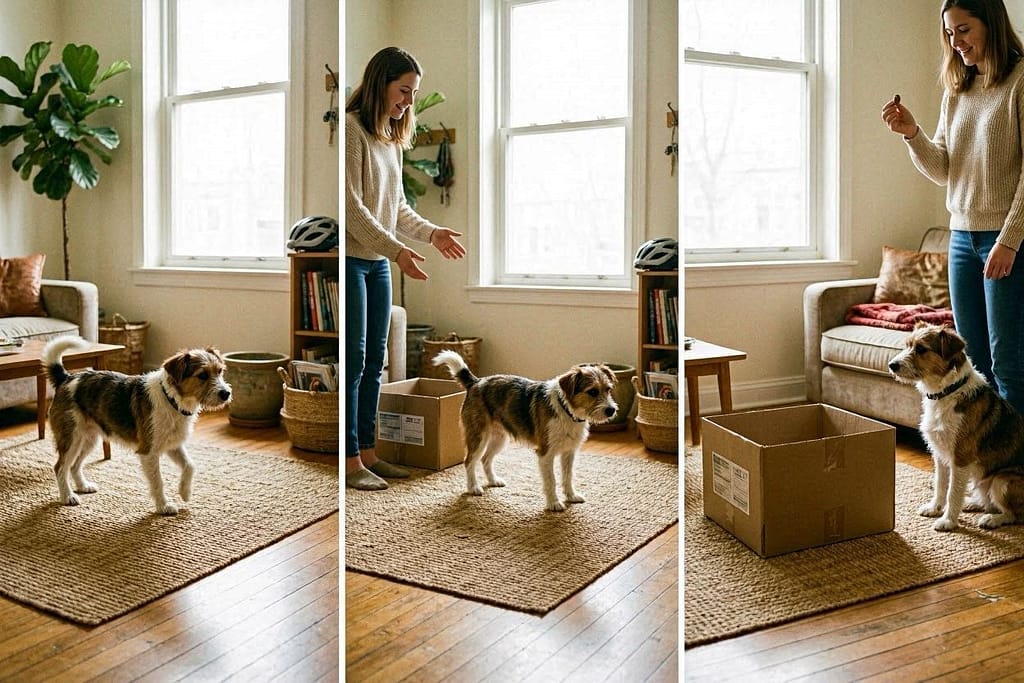
- Learn Their “Tells”: Sniffing, circling, sudden stillness, heading to old accident spots.
- The Magic Sequence: See a tell → Calmly lead to the box → Use cue word (“Go potty”) → Wait silently up to 5 minutes → If they go: EXPLODE WITH PRAISE and give a jackpot treat.
- Schedule Reinforcements: Take them to the box after waking, playing, eating, and every 2 hours.
- Still no punishment for accidents. Clean silently with an enzymatic cleaner.
Common Hurdle & Fix: “They just sit and look at me.”
Fix: Be boring. Avoid eye contact. Look at your phone. The pressure to perform can paralyze them.
Days 8-14: Building Independence & Reliability
Goal: Dog begins to self-initiate use.
- Begin giving brief, supervised freedom in the room with the box.
- Watch from a distance. If they use it independently, run over with treats after they finish.
- Start phasing out some scheduled trips, letting them signal need.
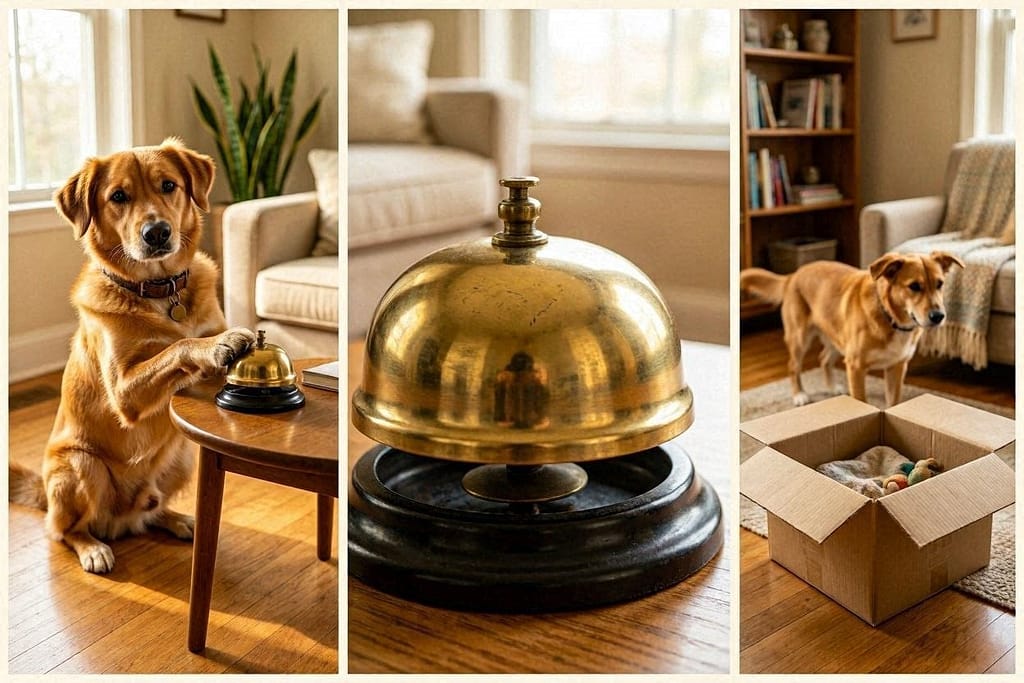
- Introduce the bell (optional): Hang a bell by the box area. Ring it before each scheduled trip, then gently tap their paw to it. They’ll learn to ring it themselves.
Pro Tip: Keep a training journal. Note successes, accidents, and times. Patterns will emerge.
What if it’s not going smoothly?
Let’s troubleshoot.
Step 3: Solving Common Training Roadblocks
Problem: “My dog uses it sometimes, but still has accidents nearby.”
- Likely Cause: The box location now smells like a bathroom zone, but the exact spot isn’t clear.
- Solution: Temporarily restrict access to the entire room except for supervised potty trips. Clean accidents with an enzymatic cleaner multiple times. Place their food bowl over favorite accident spots for a few days (dogs won’t soil where they eat).
Problem: “They’ll pee in the box but poop next to it.”
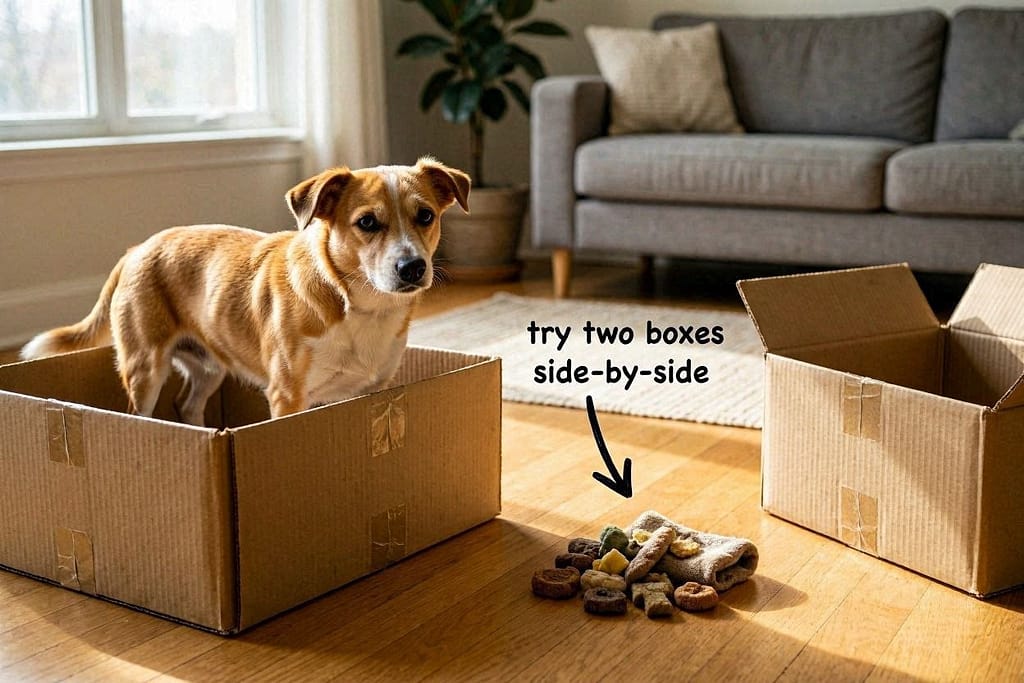
- Likely Cause: They view the two functions as separate. Some dogs naturally want to eliminate in different spots.
- Solution: Use a larger box or place two boxes side-by-side. Train them that both are acceptable. You can also try a different litter texture for the second box.
Problem: “My dog is terrified of the box/litter.”
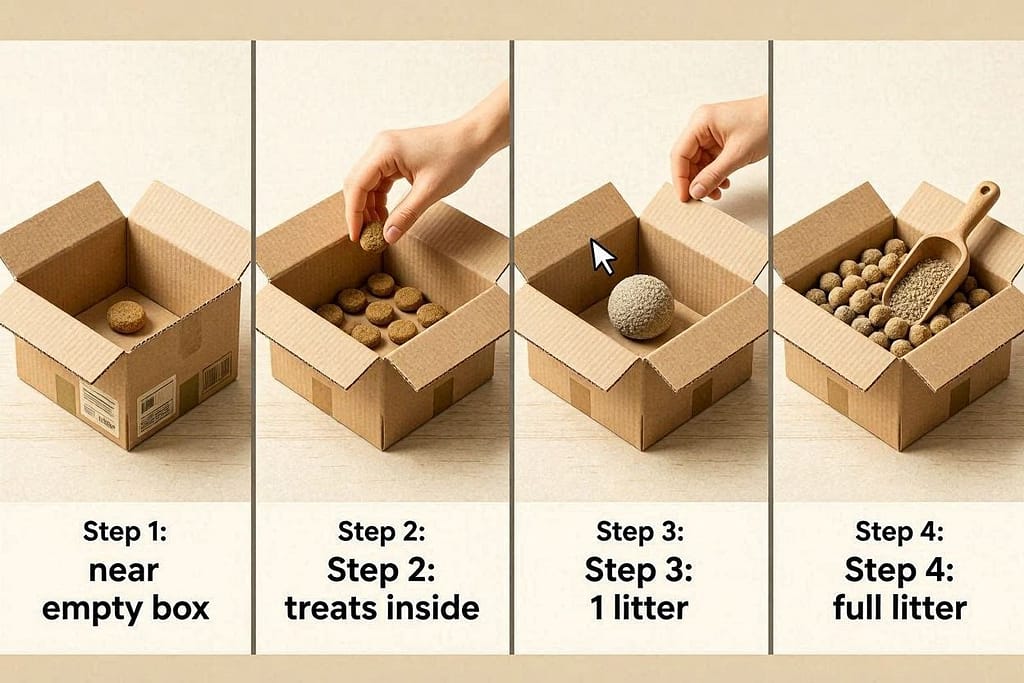
- Likely Cause: The texture feels unstable or strange on their paws.
- Solution: Desensitize slowly. Place a trail of treats leading into the empty box. Then add a small amount of litter. Work up over days. Try a completely different substrate (grass pad vs. paper pellets).
Problem: “They kick all the litter out dramatically.”
- Likely Cause: Natural digging/covering instinct or dislike of the feel.
- Solution: Get a top-entry box or high-sided box. You can also place a piece of artificial turf or a pee pad on top of the litter to create a solid surface while still absorbing liquid underneath.
Step 4: Long-Term Maintenance & Hygiene
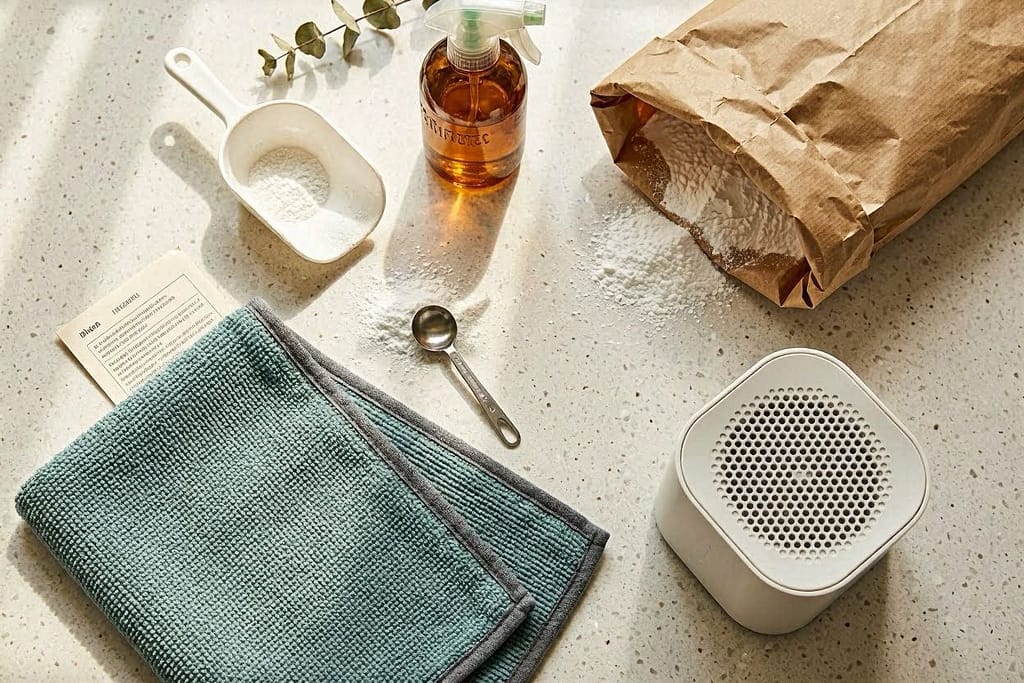
A clean box is a used box. Dogs are fastidious.
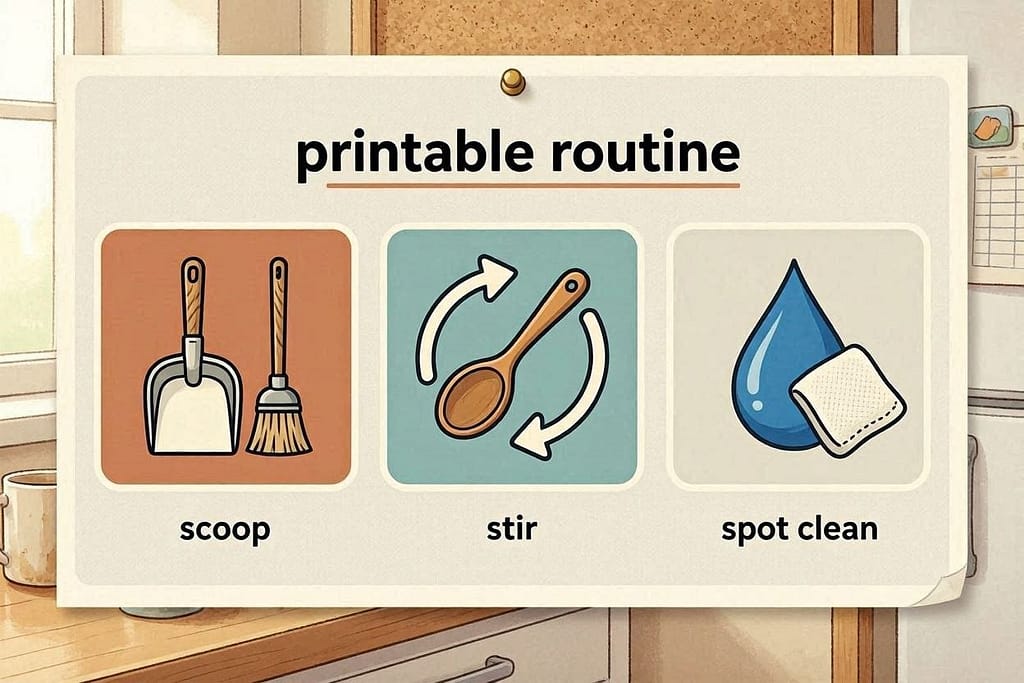
The Daily Routine:
- Scoop solids immediately (keep bags nearby).
- Stir litter to distribute moisture and detect wet spots.
- Spot-remove wet clumps if using clumping litter.
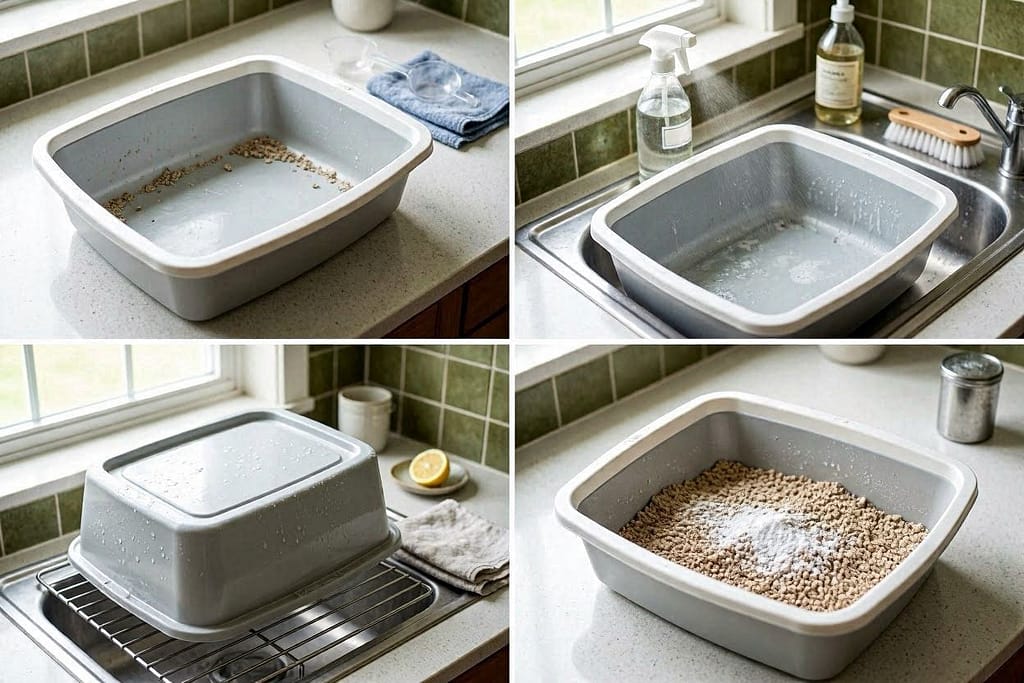
The Weekly Reset:
- Complete litter change.
- Wash box with mild, unscented soap or vinegar solution.
- Dry thoroughly before adding fresh litter.
- Wash the mat underneath.
Odor Control Mastery:
- Baking soda: Sprinkle a thin layer beneath fresh litter.
- Air purifier: Place nearby with a HEPA filter.
- Ventilation: Ensure the room isn’t completely airtight.
- Rule of Thumb: If you can smell it, it’s way too strong for your dog’s sensitive nose and may deter use.
Now let’s tailor this to your specific situation.
Specialized Protocols
For Puppies (8-16 weeks):
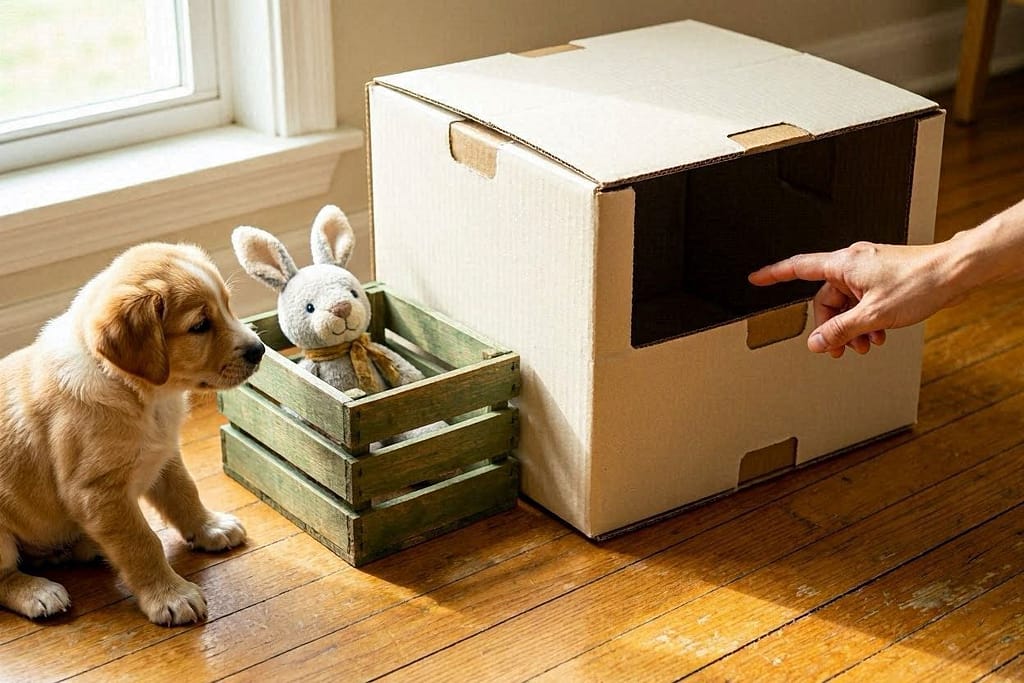
- Use a very low-entry box (or cut down one side).
- Schedule is EVERYTHING: After every nap (puppies sleep 18-20 hours!), after play, after eating, every 30-60 minutes when awake.
- Expect accidents. They’re learning bladder control AND location simultaneously.
For Senior Dogs:
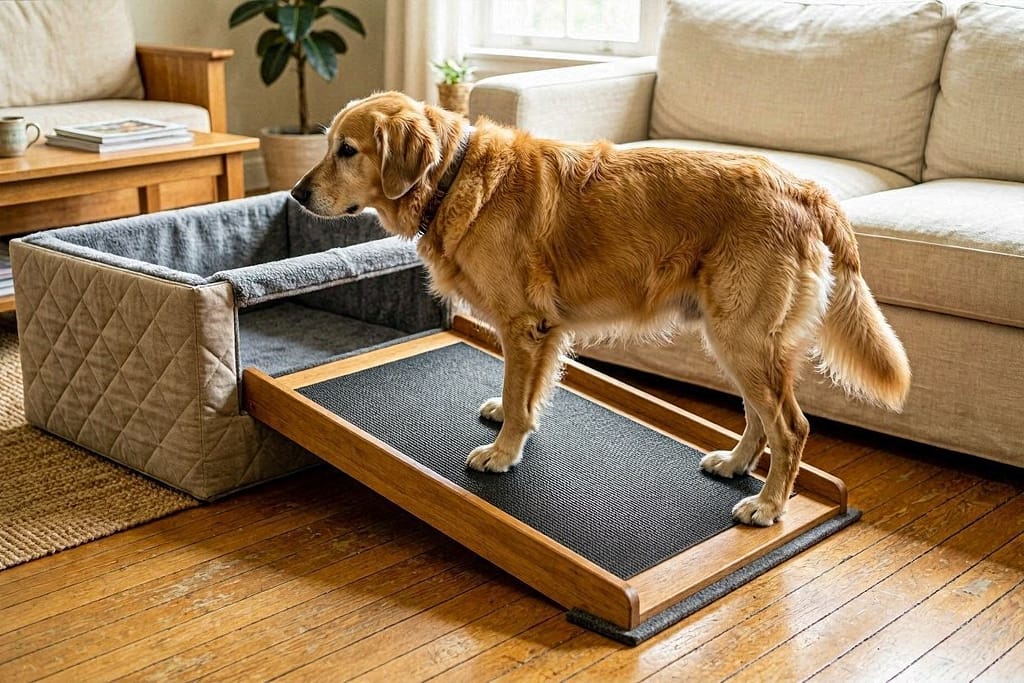
- Priority: Accessibility. Ensure no obstacles, good lighting, and non-slip matting.
- Consider medical issues: Arthritis may require a physical assist (ramp) to the box. More frequent UTIs may cause setbacks—consult your vet.
For Dogs Previously Outdoor-Trained Only:
- Start with a grass patch in the box, then gradually mix in litter over 2 weeks.
- Use soil from a successful outdoor potty spot to transfer scent to the box.
- Be patient—they’re unlearning a lifetime of habit.
The Psychology of Success: Your Mindset Matters
Your energy is contagious. If you’re anxious about accidents, your dog senses it.
Reframe Your Thinking:
- From: “They’re doing it wrong.”
- To: “We’re learning a new system together.”
- From: “Another mess to clean.”
- To: “Data point about what doesn’t work.”
Celebrate Micro-Wins: Sitting near the box. Sniffing it. One paw in. These are all victories on the path.
The 3-Second Rule: Praise must come within 3 seconds of the desired action for the connection to form. Keep treats in every room during training.
FAQs: The Questions You’re Actually Asking
Q: Won’t this confuse them for going outside?
A: Not if you’re consistent. Dogs are context learners. They can learn “box inside” and “grass outside” as different acceptable places. Many owners use both successfully.
Q: What’s the best breed for litter box training?
A: While any small dog can learn, breeds known for cleanliness and adaptability excel: Maltese, Toy Poodles, Chihuahuas, Shih Tzus, Yorkies, Papillons.
Q: Can I train an older dog?
A: Absolutely. Adult dogs often learn faster than puppies—they have better bladder control. It just requires consistency to override old habits.
Q: My dog eats the litter. Help!
A: Switch to a paper-based or grass litter immediately. Ensure they’re well-fed before training sessions. This phase usually passes as novelty wears off.
Your Freedom Awaits
Litter box training isn’t about confinement—it’s about expanding freedom.
Freedom from weather dictating your schedule.
Freedom from midnight elevator dashes.
Freedom for your dog to meet their needs safely, anytime.
This journey requires patience, consistency, and a willingness to problem-solve.
There will be setbacks. There will be days you question it.
But the morning you wake up to find your dog has used their box overnight without waking you? That’s magic.
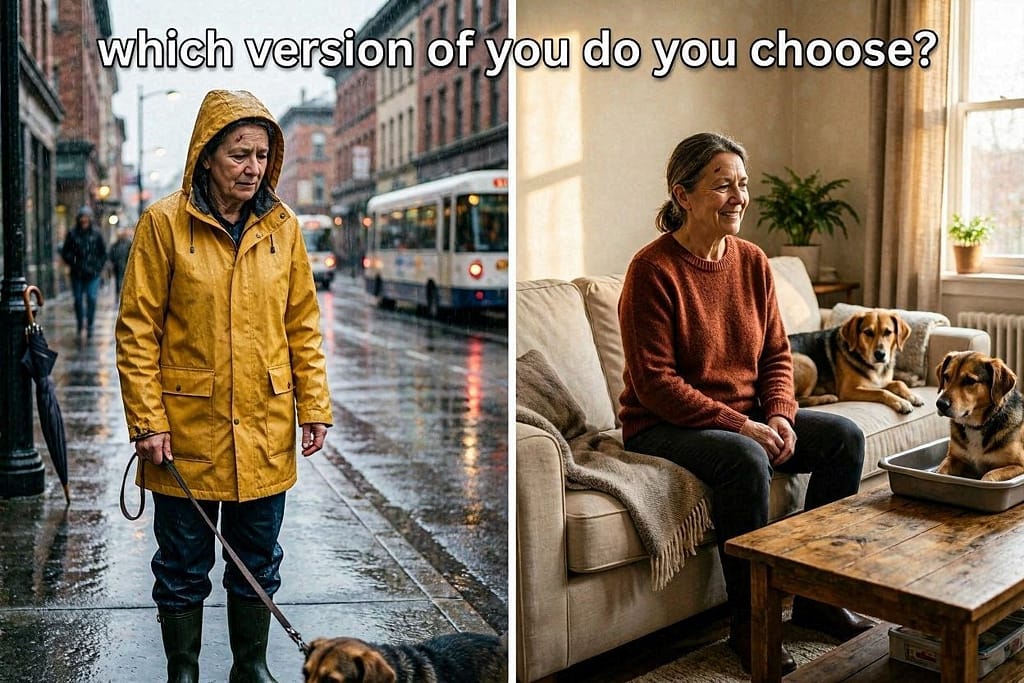
On a rainy day, you don’t have to suit up for a miserable walk?
That’s liberation.
You’re not just teaching a behavior.
You’re building communication and trust with your small companion.
You’re creating a sustainable solution for apartment life that respects both your needs and theirs.
Your first step is the easiest: Choose your box and litter today.
Set it up without pressure.
Let the curiosity begin.
Your future self—cozy, dry, and not holding a bag of poop in an elevator—will thank you.
🐾 — Apartment Dog Guide (ADG)
Living large in small spaces, one paw at a time. That’s the apartment dog life—see you in the next guide!.


