
Let’s face it: the dream of coming home to a wagging tail in your apartment feels miles away when just thinking about dog dander sends you into a sneezing fit.
If you work from home, managing allergies is easier — see our work-from-home with a dog guide
You want the joy, the companionship, the pure love a dog brings… but your allergies (or a family member’s) have felt like an insurmountable “NO” sign on that dream.
But what if we told you that “hypoallergenic” dog breeds aren’t just a myth?
That there are incredible, affectionate, perfectly apartment-sized pups out there who might just let you breathe easy—literally?
Here’s the truth: no dog is 100% allergen-free.
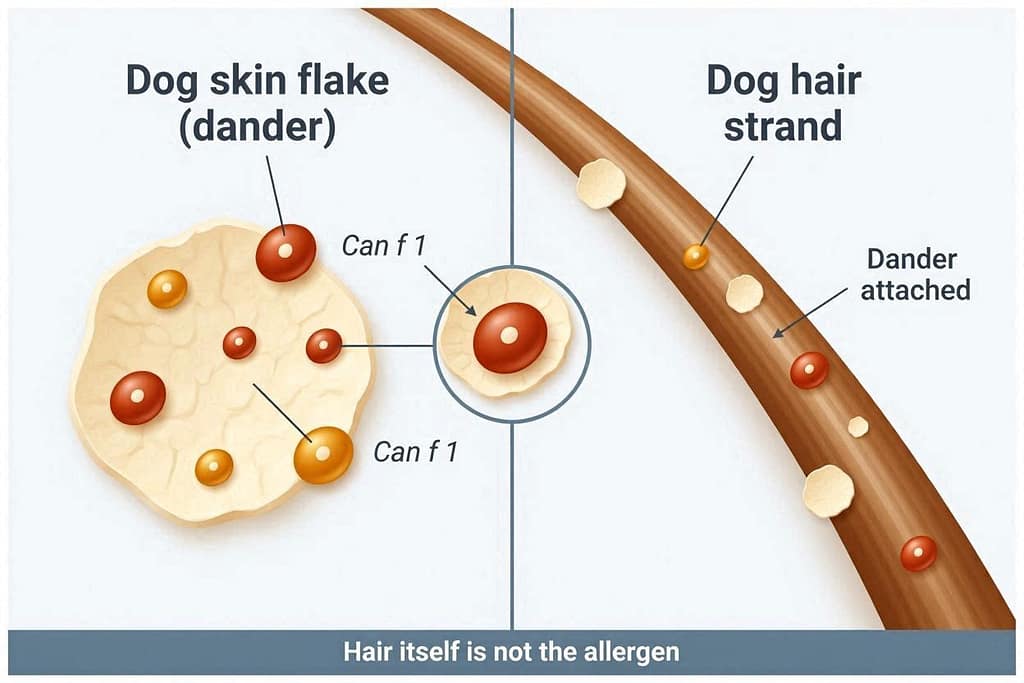
The real culprit behind your watery eyes isn’t actually fur—it’s a protein found in a dog’s dander (dead skin flakes), saliva, and urine.
Some breeds simply produce less of this protein and shed less dander into the environment, making them a fantastic match for allergy sufferers.
And the best part?
Many of these breeds are naturally suited for apartment living.
They’re often smaller, adaptable, and less prone to that “I need a 5-acre farm” energy.
Ready to explore?
This is your comprehensive, interactive guide to finding a four-legged friend who fits your space and lets you keep the tissues in the cupboard.
We’re going to bust myths, dive deep into breeds, and equip you with the lifestyle hacks for a happy, healthy, sniffle-free life together.
For quiet, low-barking breeds, see our quietest dog breeds for apartments.
Wait, “Hypoallergenic”? Let’s Clear the Air First.
Hold on. Before we meet the pups, we need to get our facts straight.
The term “hypoallergenic” gets thrown around a lot.
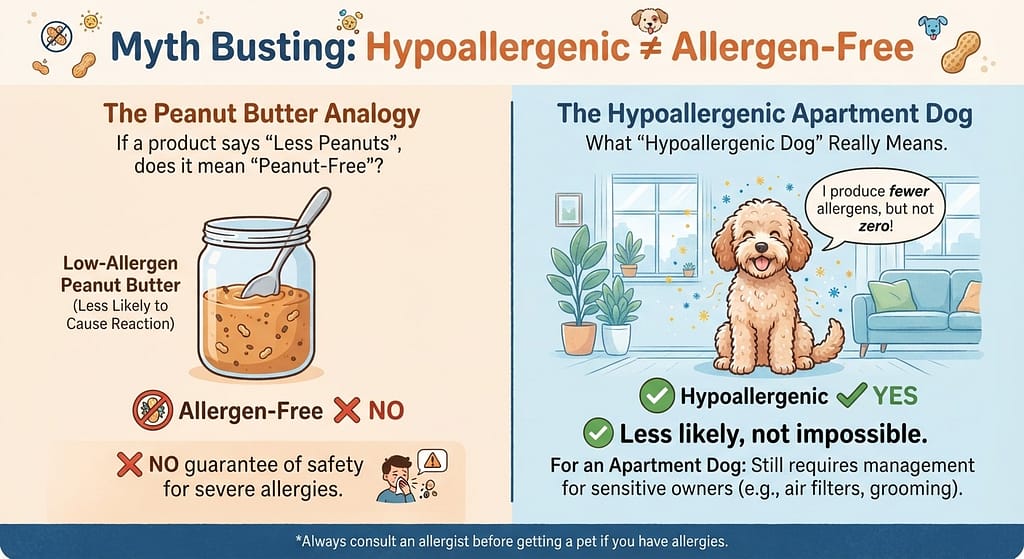
It means less likely to cause an allergic reaction, but it is not impossible.
Think of it like this: peanut butter.
Some people have a severe, life-threatening allergy.
For others, it’s a mild sensitivity. Dog allergies work on a similar spectrum.
Your individual sensitivity is the key player here.
The real magic happens with two main factors:
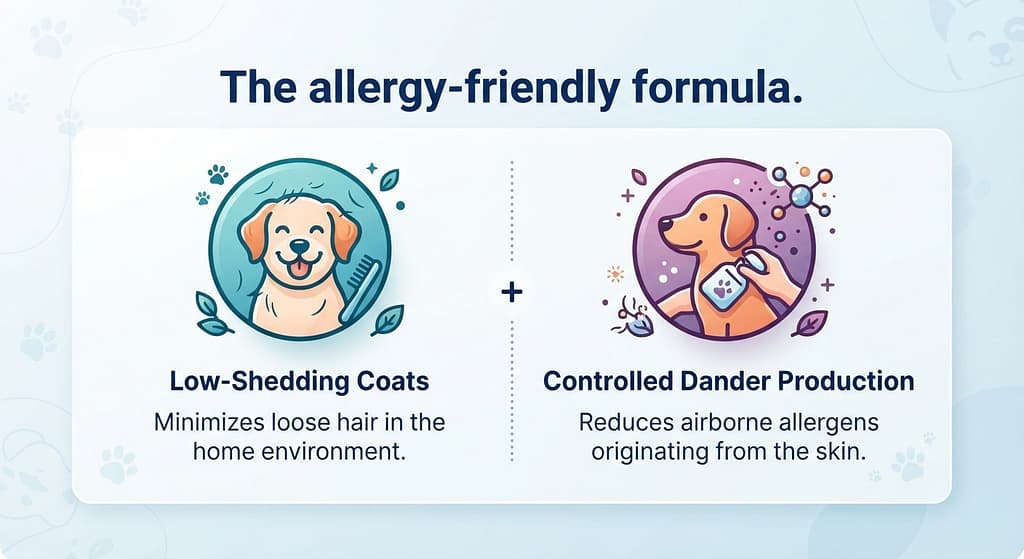
- Low-Shedding Coats: Breeds that shed minimally release less dander-carrying hair into your sofa, bed, and air.
- Controlled Dander Production: Some breeds seem to produce less of that pesky allergenic protein (Fel d 1 in cats, Can f 1 in dogs).
So, the goal isn’t a magical zero-allergen dog.
The goal is to find a dog whose maintenance and biology align with your allergy tolerance.
Understanding breed characteristics starts with choosing the best apartment dog breeds
Intrigued?
Good. Because now we get to the fun part.
Your Apartment & Allergy Checklist: What REALLY Matters?
Picking a breed isn’t just about the cute factor. It’s a lifestyle merger.
Ask yourself these questions—go on, really think about it:
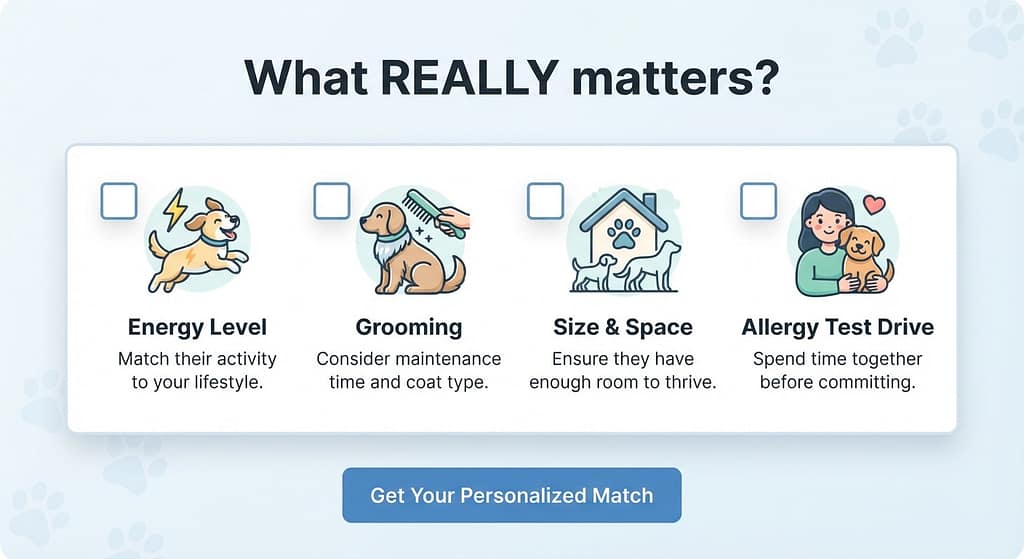
- Energy Level vs. Your Schedule: A high-energy dog in a tiny apartment is a recipe for chewed shoes and a stressed-out pup (and human). Do you work from home? Are you a marathon runner or a weekend couch potato? Be brutally honest.
- Grooming is NOT Optional: Here’s the deal—many hypoallergenic breeds have hair that grows like human hair. It doesn’t shed much, but it requires regular brushing and professional grooming every 4-8 weeks. Are you ready for that commitment and budget?
- Size & Space: Apartments have square footage limits, both literally and energetically. A giant breed might be gentle, but will it be comfortable?
- The Allergy Test Drive: This is non-negotiable. Spend extended time with the specific breed, and ideally, the specific dog you’re considering. Visit a breeder, foster, or spend an afternoon with a friend’s dog. See how your body reacts before making a life-changing decision. For more hypoallergenic options, see our hypoallergenic small dog breeds.
Got your personal checklist forming in your mind?
Perfect. Now, let’s meet your potential new best friends.
The A-List: Top Apartment Dog Breeds for Allergy Sufferers
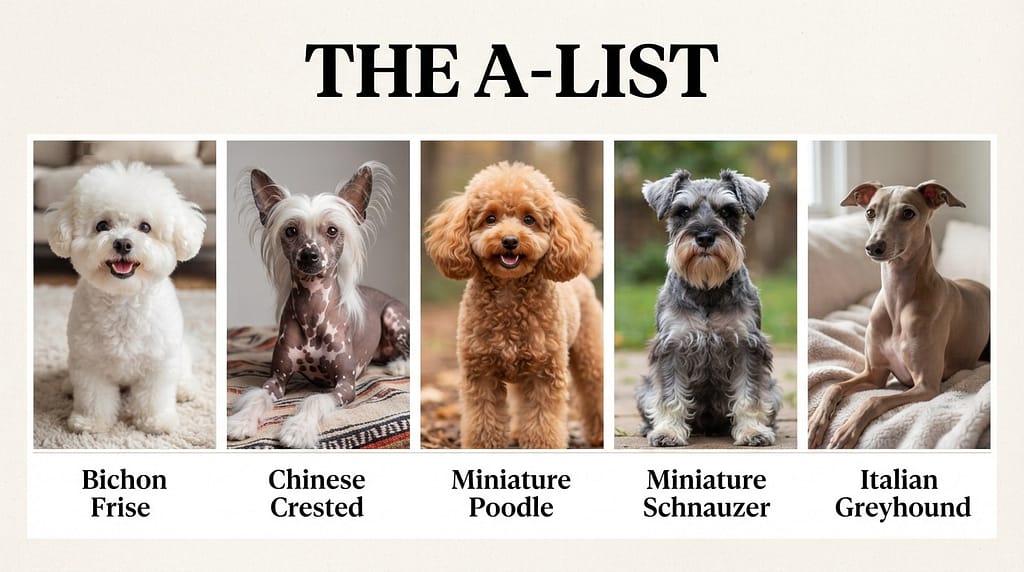
We’ve broken this down by personality and care style to help you find your perfect match.
The Low-Key Lap Warmers (Low Energy, High Cuddle)
These are the Zen masters of the dog world.
Perfect if your ideal weekend involves a book, a blanket, and a quiet companion.
1. The Bichon Frise: The Cloud of Joy
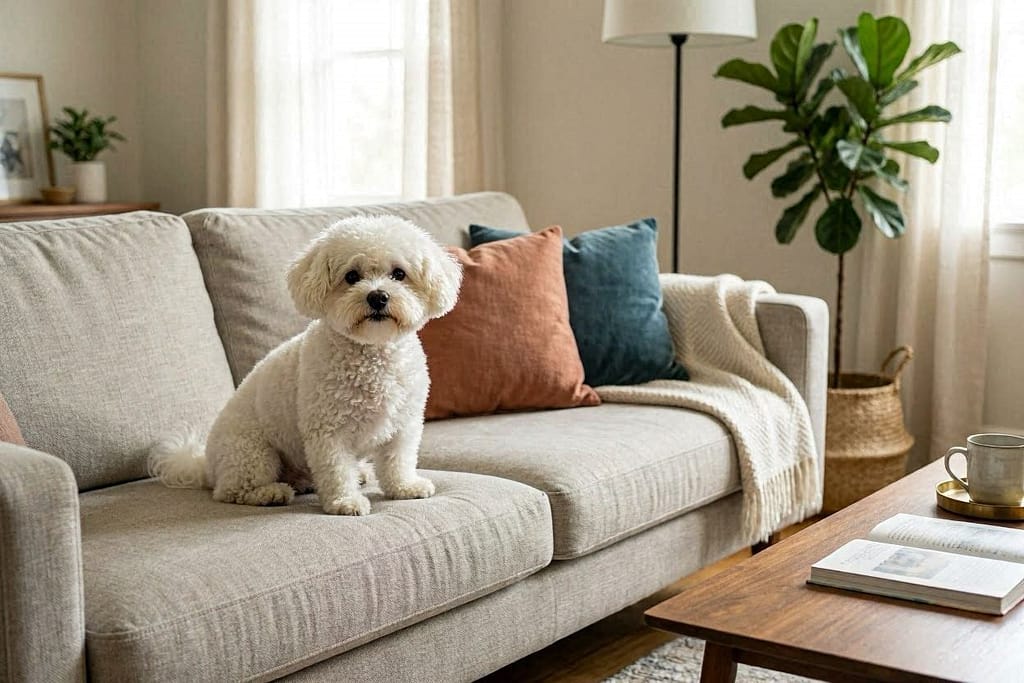
Imagine a living, breathing cotton ball with eyes full of mischief and love. That’s the Bichon.
- Why They’re Great for Allergies: Their curly, dense coat traps dander close to the skin. They shed very, very little, but that coat requires diligent grooming to prevent mats. For flat-faced breeds like Frenchies, proper walking gear is critical — see our French Bulldog neck safety guide
- Apartment Fit: Gold Star. They are small, highly adaptable, and their exercise needs are met with short walks and indoor play. They live for companionship and hate being alone for long stretches.
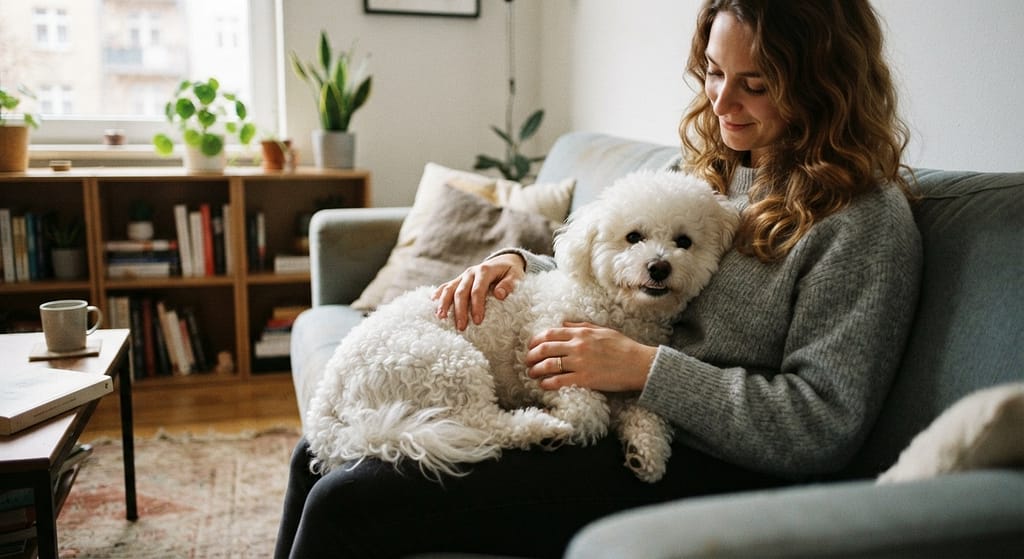
- Personality Punch: Playful, charming, and often described as “merry.” They’re social butterflies with both people and other dogs.
2. The Chinese Crested: The Unique Charmer
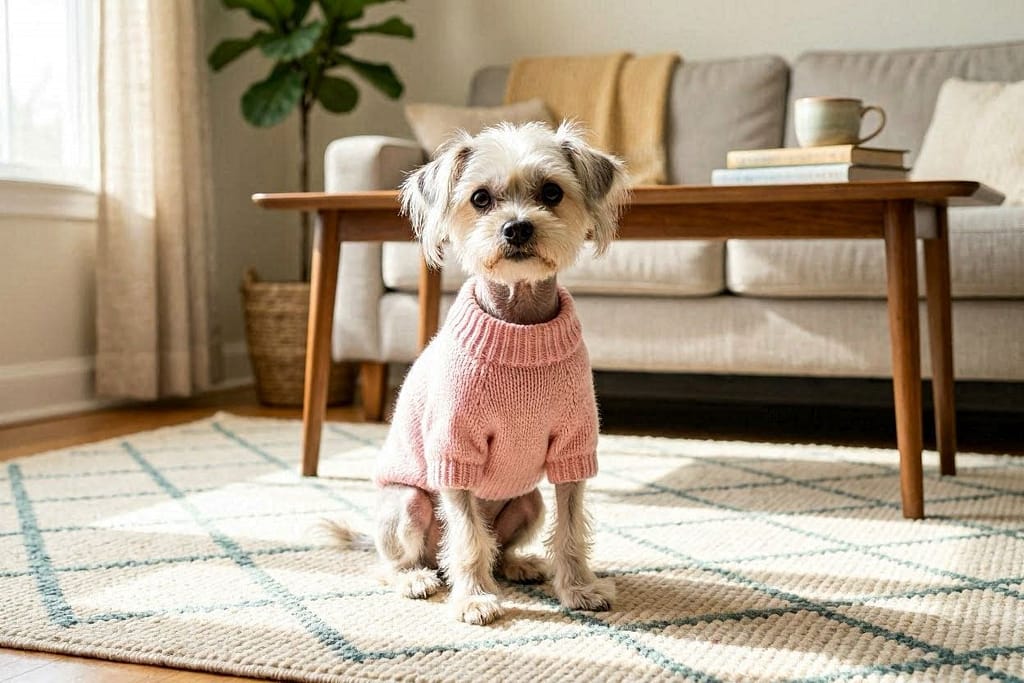
You’ve probably seen them—the elegant, hairless variety with tufts of hair on their head, feet, and tail (there’s also a “powderpuff” variety with a full coat of hair).
- Why They’re Great for Allergies (Hairless): No hair, minimal shedding. But here’s a crucial point: They still produce dander from their skin. The benefit is that you can easily wipe them down with a damp cloth to remove allergens. They need sunscreen in summer and sweaters in winter!
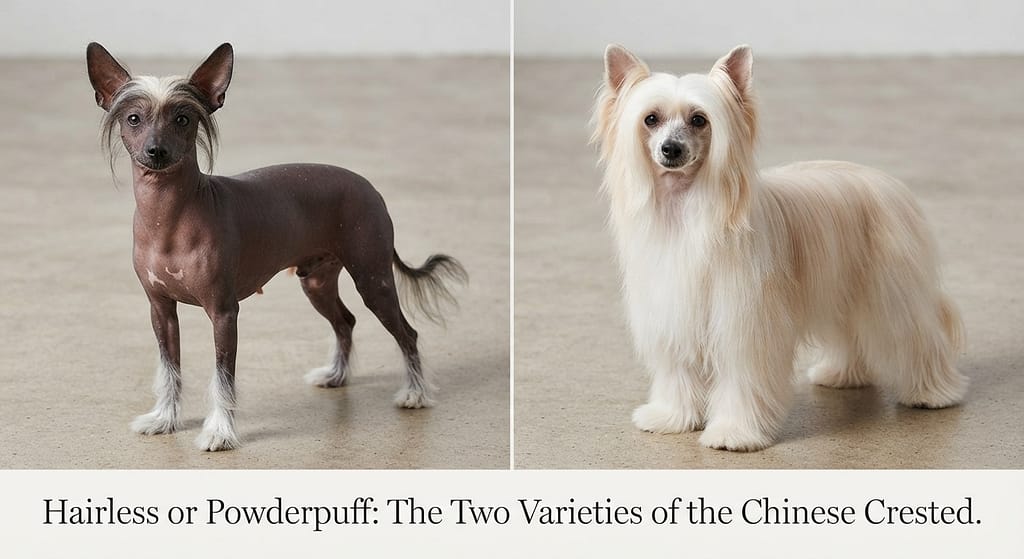
- Apartment Fit: Excellent. They are true lap dogs, light on their feet, and don’t need a yard. They are velcro dogs who form intensely devoted bonds.
- Personality Punch: Affectionate, lively, and sometimes a little shy. They are true “person dogs” who thrive on attention.
The Brainy Besties (Smart & Trainable)
If you love teaching tricks, engaging in puzzle games, and having a clever companion, these breeds will keep you on your toes (in the best way).\
3. The Miniature Poodle (& Toy Poodle): The All-Star
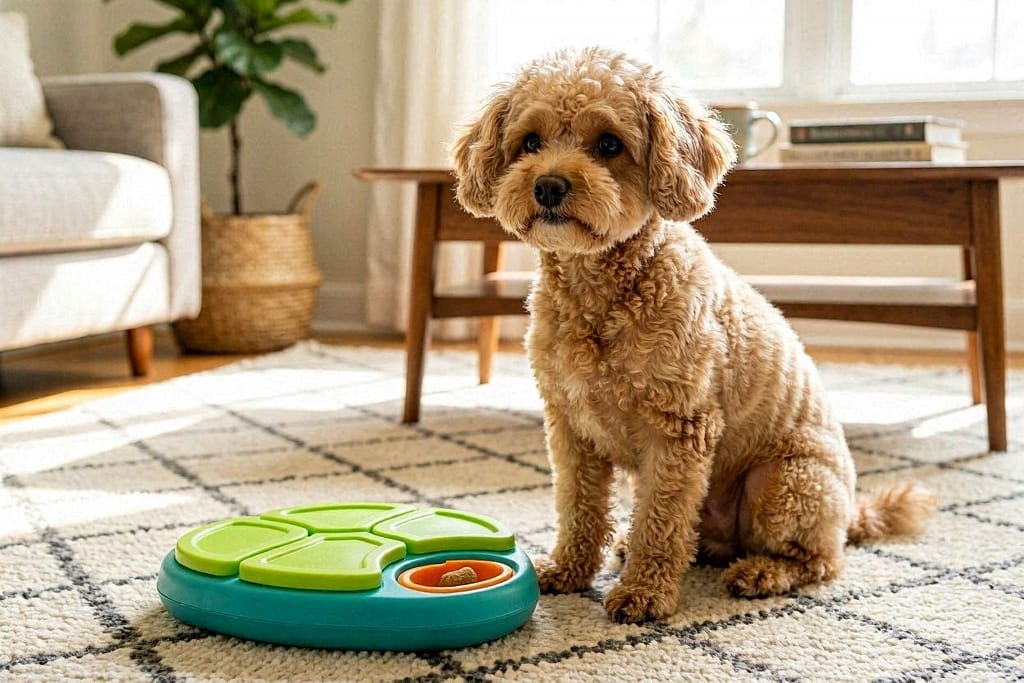
Don’t let the fancy haircuts fool you. The Poodle is often ranked as the #1 hypoallergenic dog for a reason, and the miniature/toy sizes are apartment perfection.
- Why They’re Great for Allergies: Their tight, curly coat is the ultimate dander trap. They shed negligibly. Regular grooming is essential to maintain their coat health.
- Apartment Fit: Superb. They are among the most intelligent and trainable breeds on the planet. A bored Poodle is a destructive Poodle, but mental stimulation (training, puzzles, games) tires them out as much as physical exercise. They are eager to please and highly adaptable.
If you work long hours, see our best small dogs for 9-5 professionals.

- Personality Punch: Proud, active, and incredibly smart. They have a sense of humor and a dignified charm that’s utterly winning.
4. The Schnauzer (Miniature): The Mustachioed Guardian
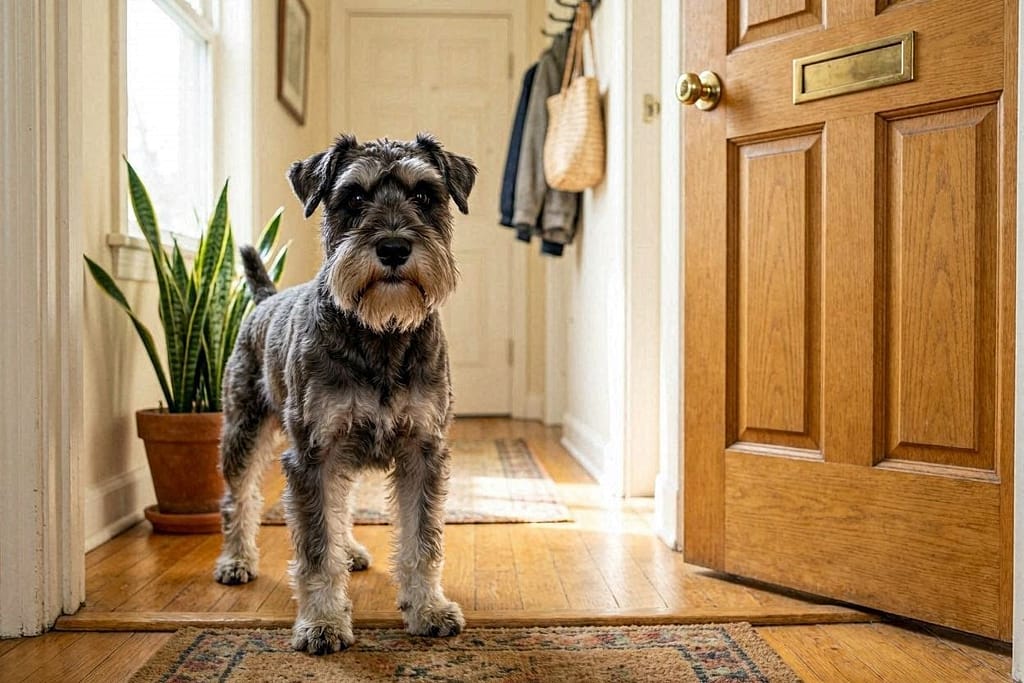
With their bushy eyebrows and distinctive beard, Miniature Schnauzers are bursting with personality in a small, sturdy package.
- Why They’re Great for Allergies: They have a wiry double coat that sheds minimally. They require regular brushing and professional “stripping” or clipping to maintain their coat texture.
- Apartment Fit: Very good. They are spirited and alert, making them excellent little watchdogs. They need daily walks and playtime to burn off their terrier energy. They are loyal and loving with their families.

- Personality Punch: Fearless, friendly, and sometimes stubborn. They are terriers at heart—full of spunk and curiosity.
The Gentle & Quiet Souls
Some of us just crave a calm, serene presence.
These breeds offer profound companionship without a lot of fuss.
5. The Italian Greyhound: The Delicate Couch Cuddler
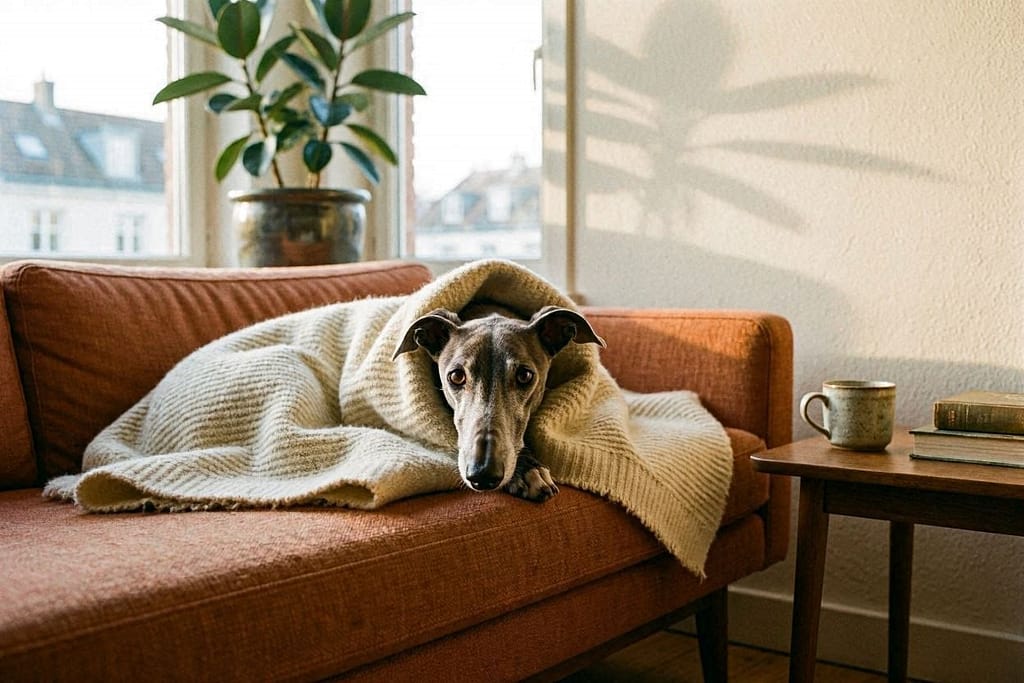
The sleek, slender “Iggy” is a sighthound in a miniature package. Think of a graceful, tiny deer that prefers being under a blanket.
- Why They’re Great for Allergies: They have a very short, fine coat that sheds little and is easy to care for. A quick weekly rubdown with a soft cloth is often all they need.
- Apartment Fit: Ideal for calm households. They are the ultimate couch potatoes but do need short, brisk daily walks and a safe place for occasional sprints. They are sensitive to cold and love to burrow in soft blankets.

- Personality Punch: Affectionate, playful, and deeply attached to their people. They can be shy with strangers but are gentle and loving at home. For busy owners, see our best compatibility dog breeds for busy owners
Beyond Purebreds: The Mixed Breed Marvel – The “Doodle” Phenomenon

You can’t talk hypoallergenic dogs without mentioning Poodle mixes—Labradoodles, Goldendoodles, Bernedoodles, etc.
- The Important Caveat: Coat types in mixed breeds are a genetic lottery. Not every “doodle” will inherit the Poodle’s low-shedding coat. Some shed as much as their retriever or Bernese parent. If you go this route, meet the specific puppy and its parents to assess coat type and your reaction. City dwellers should explore the most sociable dog breeds for city life.
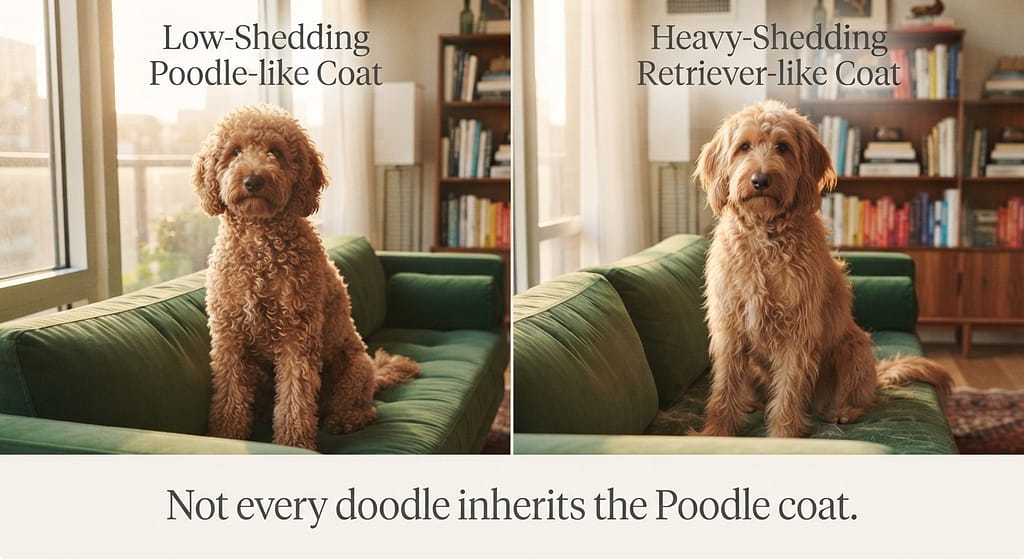
- Why They Can Be Great: When they inherit the right coat, they combine the Poodle’s hypoallergenic qualities with wonderful, friendly temperaments.
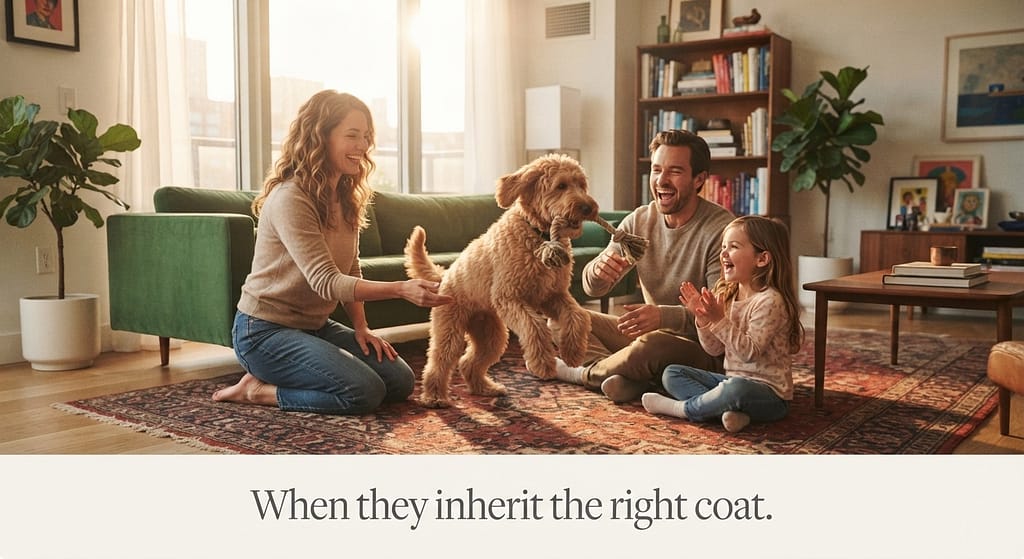
- Apartment Fit: Varies wildly by size and energy. A miniature Goldendoodle may be perfect, while a standard F1B Labradoodle might need more space and exercise.
Families with kids should see the best apartment dogs for families.
Living in Harmony: Your Action Plan for an Allergy-Friendly Apartment
Choosing the right breed is only half the battle.
Creating an environment where both you and your pup thrive is the other crucial half.
Let’s build your allergy-defense system.
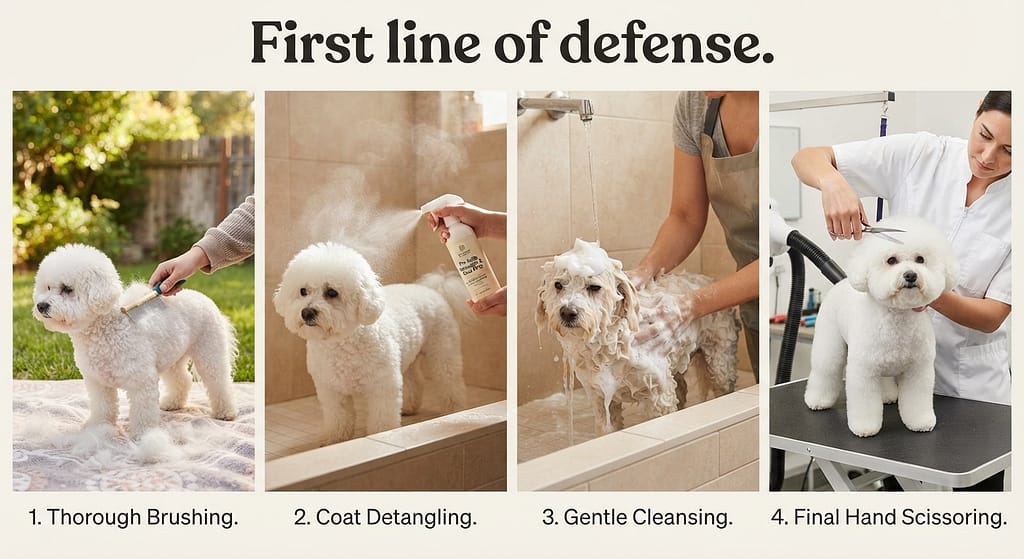
1. The Grooming Gospel: Your First Line of Defense
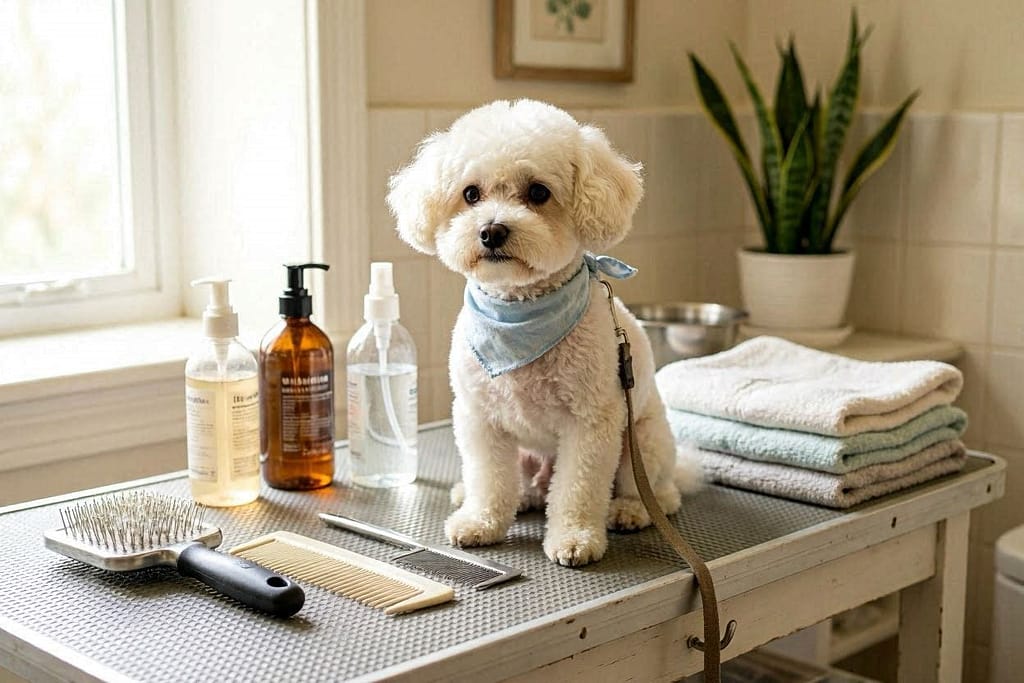
- Regular Brushing: Do this outside or in a designated, easy-to-clean area. It traps loose hair and dander before it circulates in your air.
- Frequent Bathing: Bathing your dog every 1-2 weeks with a gentle, dog-specific shampoo can wash away surface dander and allergens. Pro Tip: Use a pre-bath spray designed to loosen dander for a more effective wash.
- Professional Grooming: Stick to the schedule. A good groomer is your allergy-fighting partner.
2. The Apartment Environment: Clean Air is King
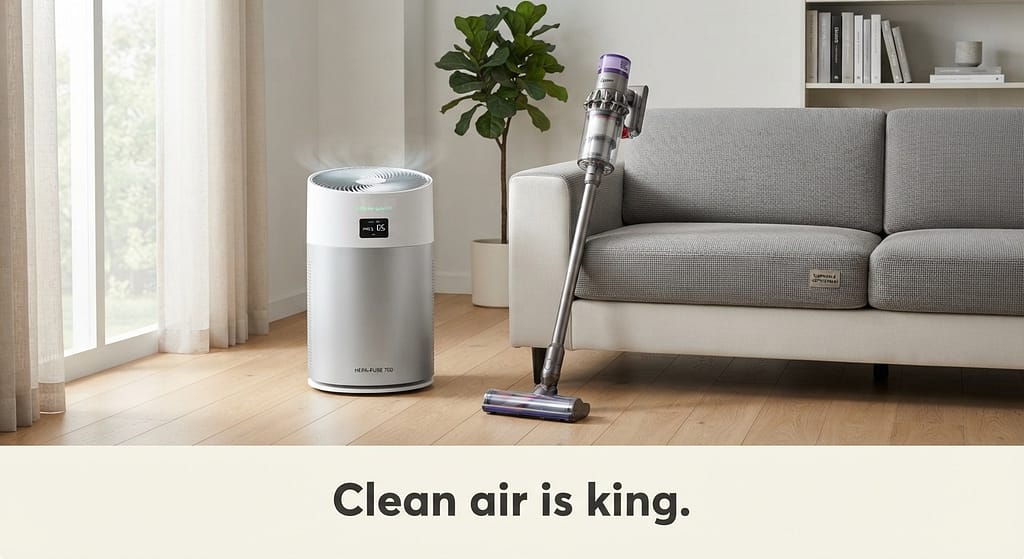
- Invest in a True HEPA Air Purifier: Place it in the room where you and your dog spend the most time (like the bedroom or living room). This is a game-changer for removing airborne allergens.
- Upgrade Your Vacuum: You need a vacuum with a HEPA filter to ensure you’re trapping allergens, not just recirculating them. Robotic vacuums can be great for daily maintenance.
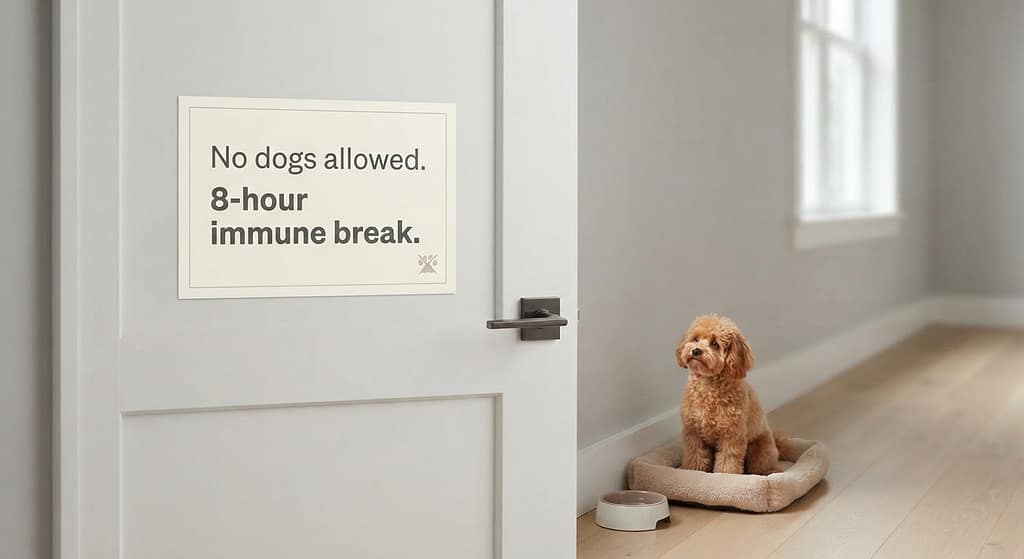
- Create a “Dog-Free” Sanctuary: Make your bedroom a strict no-dog zone. This gives your immune system an 8-hour break each night to recover, drastically improving symptoms.
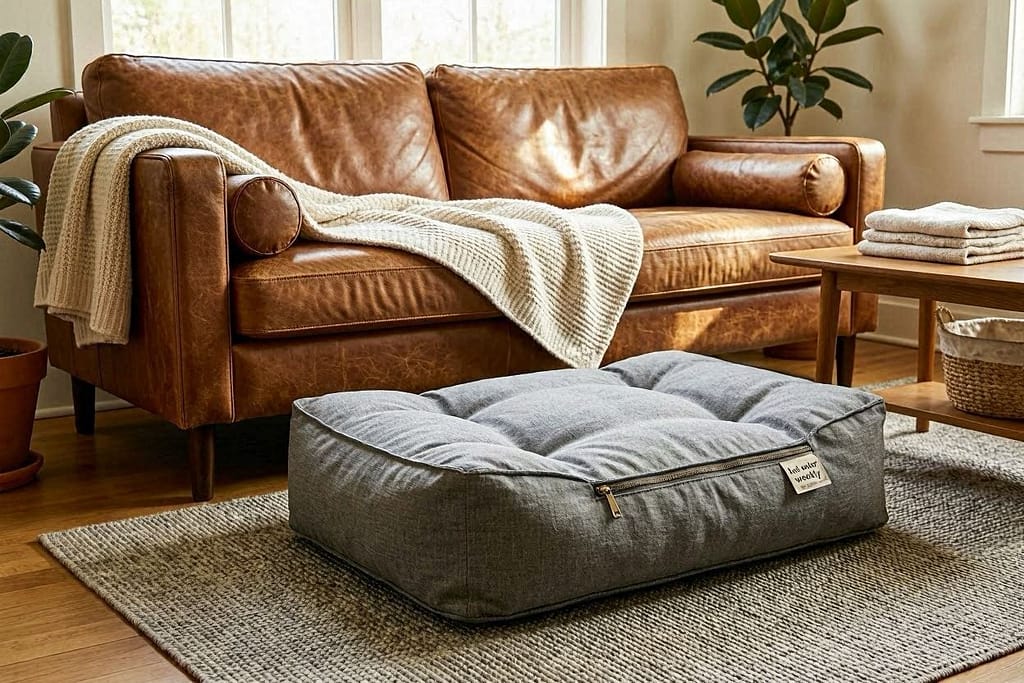
- Choose Washable Fabrics: Opt for leather, vinyl, or tightly woven washable covers for your furniture. Wash your dog’s bed, blankets, and your own bedding in hot water weekly.
3. Personal Care & Medical Management

- Wash Your Hands: After heavy petting or play sessions, wash up before touching your face.
- Consider Allergy Medication: Talk to your allergist. Modern non-drowsy antihistamines, nasal sprays, or even allergy shots (immunotherapy) can significantly increase your tolerance over time.
Breeds to Generally Avoid (With a Grain of Salt)

We’ve talked about the great fits.
Now, a quick reality check. Some breeds are notoriously difficult for allergy sufferers due to heavy, constant shedding or high dander production. These include:
- Heavy Shedders: German Shepherds, Huskies, Labrador Retrievers, Golden Retrievers, Corgis.
- High-Dander Producers: Many brachycephalic (flat-faced) breeds like Bulldogs and Pugs can have sensitive skin that produces more dander.
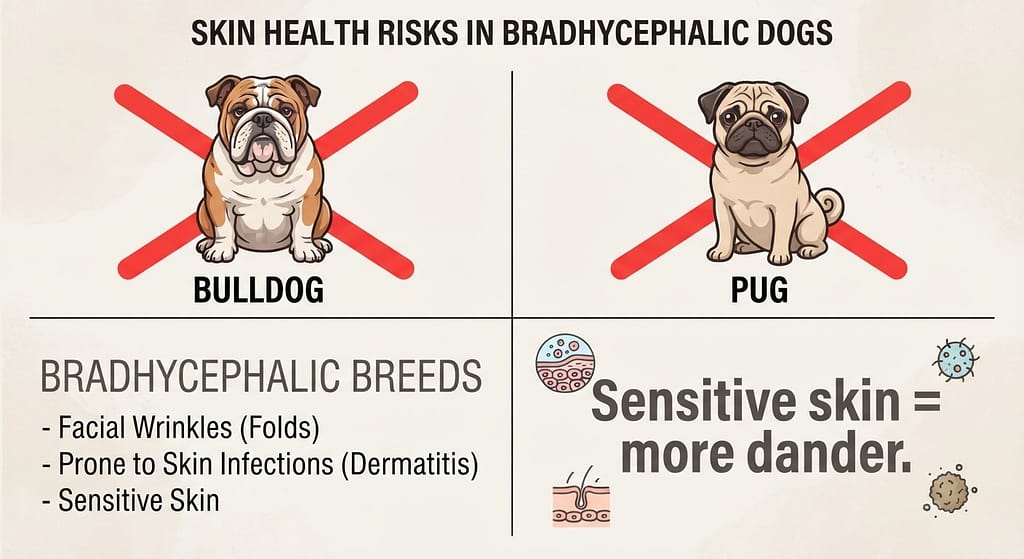
Remember the “Test Drive” rule! Even within these breeds, individual dogs vary. But your odds are much better starting with the “A-List.”
For quiet, allergy-friendly breeds, read our guide to quiet breeds for apartments
Your Journey Starts Here: Next Steps to Paw-sitivity

Feeling hopeful?
You should be. The path to a sneeze-free life with a dog is clearer than you thought.
Here’s your action plan:
- Refine Your List: Which breed personality resonated most with you? The low-key Bichon or the brainy Mini Poodle?

2. Find Responsible Sources: If looking for a breeder, seek those who perform health testing and welcome you to visit and interact with their dogs and puppies. Strongly consider a rescue! Many breed-specific rescues have adult hypoallergenic dogs (like Poodles, Schnauzers, etc.) whose coats and temperaments are already known.
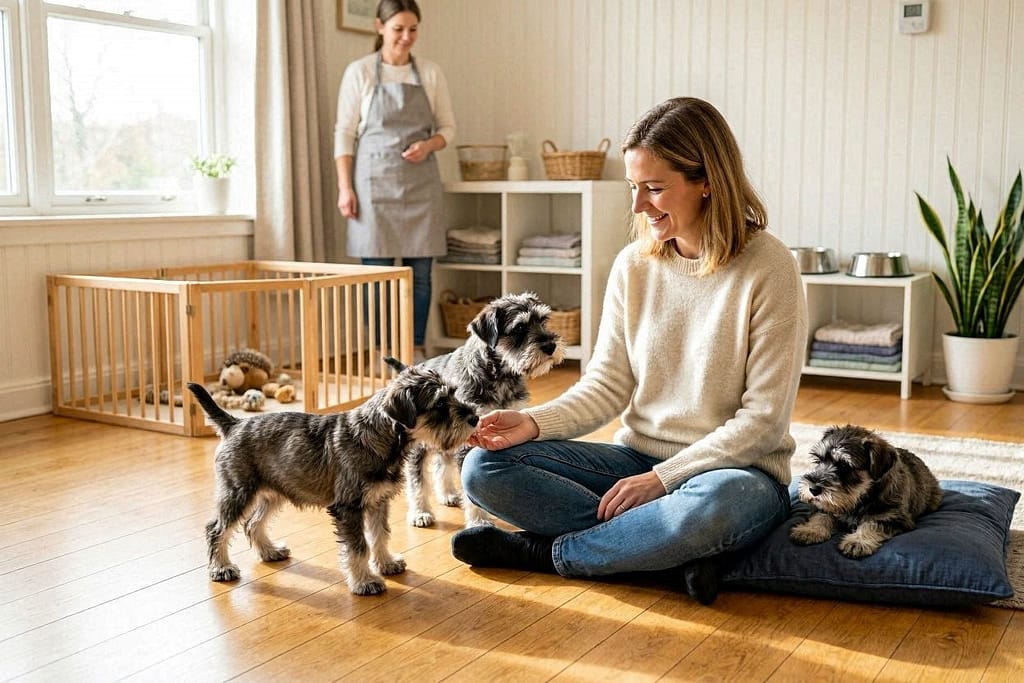
3. Schedule Those Visits: This is your most important step. Contact breeders, rescues, or friends. Go and be present. See how you feel after an hour.

4. Prep Your Palace: Start implementing the environmental tips before your dog comes home. Get that air purifier running.
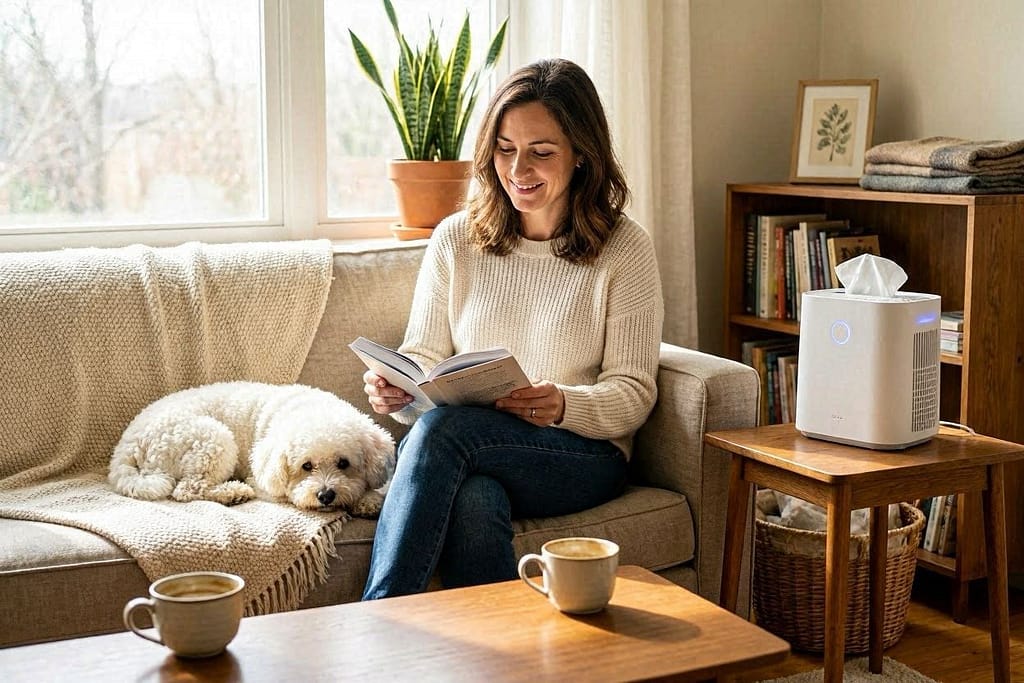
The bottom line is this: Love shouldn’t make you congested. With the right knowledge, the right breed, and the right home setup, you can absolutely welcome the life-changing, joy-bringing, tail-wagging love of a dog into your apartment—and into your life.
For the complete breed resource, see our apartment dog breeds complete compatibility guide
🐾 — Apartment Dog Guide (ADG)
Living large in small spaces, one paw at a time. That’s the apartment dog life—see you in the next guide!.


