
I’ll never forget the Tuesday that changed everything.
My golden retriever, Sunny, wagged his way a little too enthusiastically toward a delivery person at our apartment complex.
A slipped leash, a startled jump back, and suddenly the delivery person was on the ground with a sprained wrist.
The medical bills? $3,200. The legal fees?
Another $1,800. The property manager’s “you’re responsible” email? Priceless.
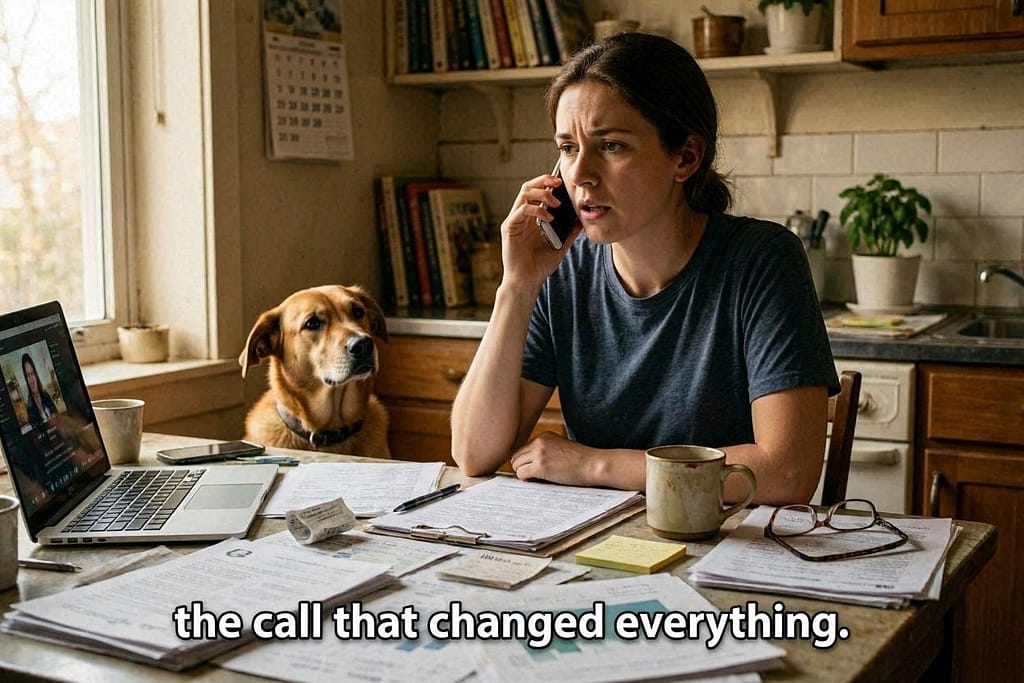
Here’s what made me sick to my stomach: I had renters insurance. I’d checked the box that said “pets.” I paid my $15 monthly premium faithfully.
But as I discovered in that panic-filled phone call, my policy had a **$500 per-incident liability limit for pets**—about as useful as a teacup in a tsunami.
If you’re reading this while your dog sleeps peacefully at your feet or your cat knocks something off a shelf (because they always do), listen closely: Your “pets allowed” apartment and your “pets covered” insurance are not the same thing.
Not even close.
But here’s the good news—with one strategic conversation, you can transform your policy from decorative paperwork to actual protection.
Let’s prepare for that call…
Why “Pets Allowed” Is the Biggest Lie in Renting
The Dangerous Assumption
You found the perfect apartment. The listing said, “pets allowed.” You paid the pet deposit.
You might even pay “pet rent.” Naturally, you assume you’re… well, covered.
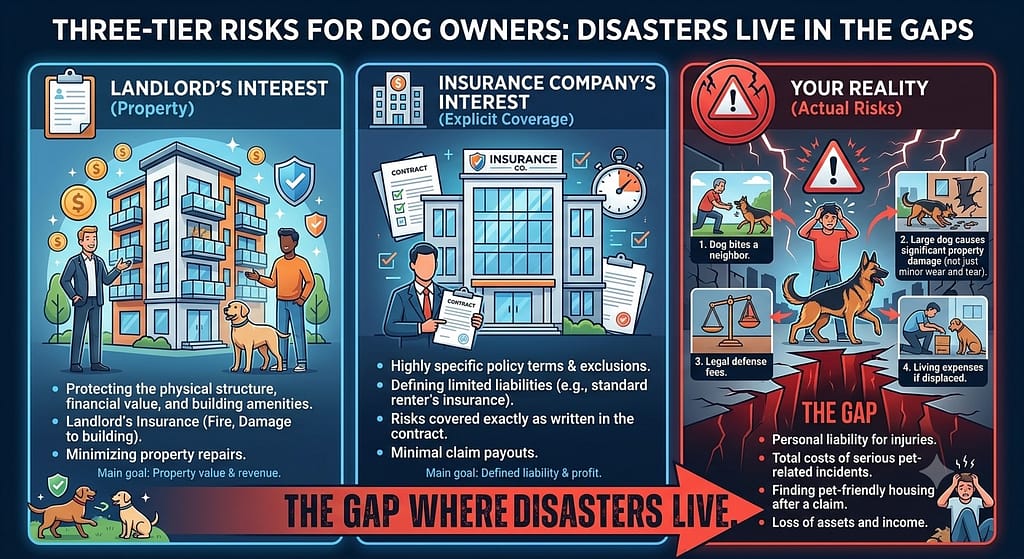
Here’s the brutal truth: Your landlord’s “pets allowed” policy protects their property. Your renters insurance pet coverage (or lack thereof) protects your financial future.
These two things have never met, and they’re certainly not working together to protect you.
The Three-Tier System of Pet Protection
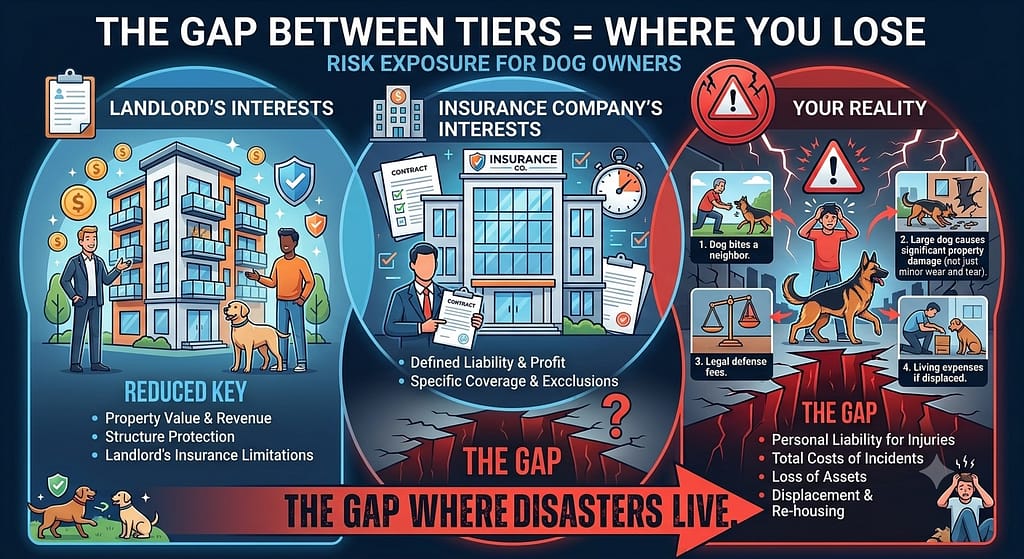
Tier 1: The Landlord’s Interest (What they care about)
- Property damage to their unit
- Disturbance to other tenants
- Compliance with local ordinances
Tier 2: The Insurance Company’s Interest (What they’ll pay for)
- Whatever is explicitly stated in your policy
- Nothing more, nothing less
- Definitely not what you “assumed” was covered
Tier 3: Your Reality (What actually happens)
- Your dog bites someone at the dog park
- Your cat starts a kitchen fire
- Your rabbit chews through building wires
- Your parrot’s squawking leads to a noise complaint lawsuit
The gap between these tiers is where financial disasters live.
And today, we’re building a bridge.
The 15 Questions That Will Reveal Your Actual Coverage

Category 1: The “Am I Even Covered?” Fundamentals
Question 1: “Is my pet specifically listed as covered on my policy?”
Why this matters: Some policies automatically exclude certain species or breeds.
What you want to hear: “Yes, all pets are covered unless specifically excluded” OR “Let me add your pet’s information to the policy now.”
Red flag response: “Pets are generally covered” (Vague = dangerous)
Question 2: “What are your breed or species restrictions?”
Why this matters: Many companies have “blacklisted” breeds (often pits, Rottweilers, German shepherds) or exotic pets.
The shocking truth: Some companies restrict based on weight (dogs over 50 lbs) or mixes that “appear to be” a restricted breed.
Follow-up question: “What documentation do you need to prove my dog’s breed mix?”
Question 3: “Does coverage extend outside my apartment?”
Why this matters: If your dog bites someone in the building hallway, at the dog park, or on a sidewalk—are you covered?
The reality check: Many policies only cover incidents within your rented premises. That leashed walk? Possibly unprotected.
Got your basic coverage confirmed?
Great.
Now let’s talk about the two big financial risks…
Category 2: The “Can I Survive a Lawsuit?” Liability Questions
Question 4: “What’s my per-incident liability limit for pet-related incidents?”
Why this matters: This number is your financial lifeboat. Standard policies often have pathetic pet-specific sub-limits.
The magic number: You want **at least $100,000** per incident. A serious dog bite lawsuit can easily reach $300,000+.
Pro tip: Ask, “Is this separate from my general liability limit, or does it draw from it?”
Question 5: “Are there exclusions for certain types of injuries?”
Why this matters: Some policies won’t cover “scratches” or “knock-downs” without breaking skin.
Real scenario: Your friendly Lab jumps on an elderly neighbor who falls and breaks a hip. No bite occurred—are you covered?
What to listen for: Coverage for “bodily injury” regardless of mechanism.
Question 6: “Does this cover pet-related property damage to others?”
Why this matters: Your dog runs through a neighbor’s screen door. Your cat ruins the hallway carpet. Your rabbit chews another tenant’s internet cables.
Key distinction: Damage to your property vs. damage to others’ property. You need both covered.
Category 3: The “What About My Stuff?” Property Questions
Question 7: “Is damage to my own property by my pet covered?”
Why this matters: Many policies exclude damage by your own animals to your own belongings.
The heartbreaking scenario: Your new puppy destroys $2,000 worth of furniture, electronics, and sentimental items. Your insurance says: “Not our problem.”
Possible solution: Some companies offer optional “pet damage to personal property” riders.
Question 8: “What about damage to the rental unit itself?”
Why this matters: This is usually the landlord’s biggest concern—and your biggest financial risk.
Critical distinction: Your security deposit covers normal wear and tear. Your insurance should cover accidental pet damage.
Ask specifically about: Urine saturation (hardwood floors), scratched doors, chewed trim, dug-up carpet.
Question 9: “Are there special limits for certain types of property damage?”
Why this matters: Some policies cap “biological waste damage” or “chewing damage.”
What you need: No special sub-limits for pet damage types.
Property covered?
Excellent. Now let’s talk about the weird, wild scenarios no one thinks about…
Category 4: The “But What If…” Scenario Questions

Question 10: “What if my pet causes a fire or flood?”
Why this matters: True story—a cat turned on a stove burner, causing a kitchen fire. A dog chewed through a bathroom pipe, flooding three units below.
The fine print: Some policies exclude fires “caused by pets” as “preventable.”
What you want: Clear language that pet-caused accidents are still accidents.
Question 11: “What if someone gets hurt while pet-sitting my animal?”
Why this matters: Your sister watches your dog for the weekend. Your dog jumps up, she falls, and breaks her wrist.
Two coverage issues: 1) Is the incident covered? 2) Will your insurance pay since she’s family?
The solution: Ensure coverage extends to “temporary caregivers.”
Question 12: “What about pets I’m temporarily fostering?”
Why this matters: That rescue pup you’re fostering for two weeks? Might not be covered.
The loophole: Many policies only cover “permanently residing” pets.
If you foster, you need explicit written confirmation of coverage.
Category 5: The “When Disaster Strikes” Practical Questions
Question 13: “What’s my deductible for pet-related claims?”
Why this matters: A $1,000 deductible on a $1,200 claim means you get $200. Not helpful.
Strategy: Consider a lower deductible for pet-related claims if available.
Important: Ask if pet claims affect your future premiums more than other claims.
Question 14: “What documentation do I need to file a pet-related claim?”
Why this matters: In a panic, you don’t want to be figuring this out.
The documentation checklist:
- Veterinary records proving vaccinations
- Photos/videos of the incident/damage
- Witness contact information
- Police/incident reports if filed
- Medical bills (for injury claims)
Question 15: “If my pet is banned after a claim, does coverage continue for other liabilities?”
Why this matters: Some leases allow eviction after a pet incident. Will your insurance still cover you if you have to surrender your pet?
The harsh reality: Some policies become void if you violate lease terms.
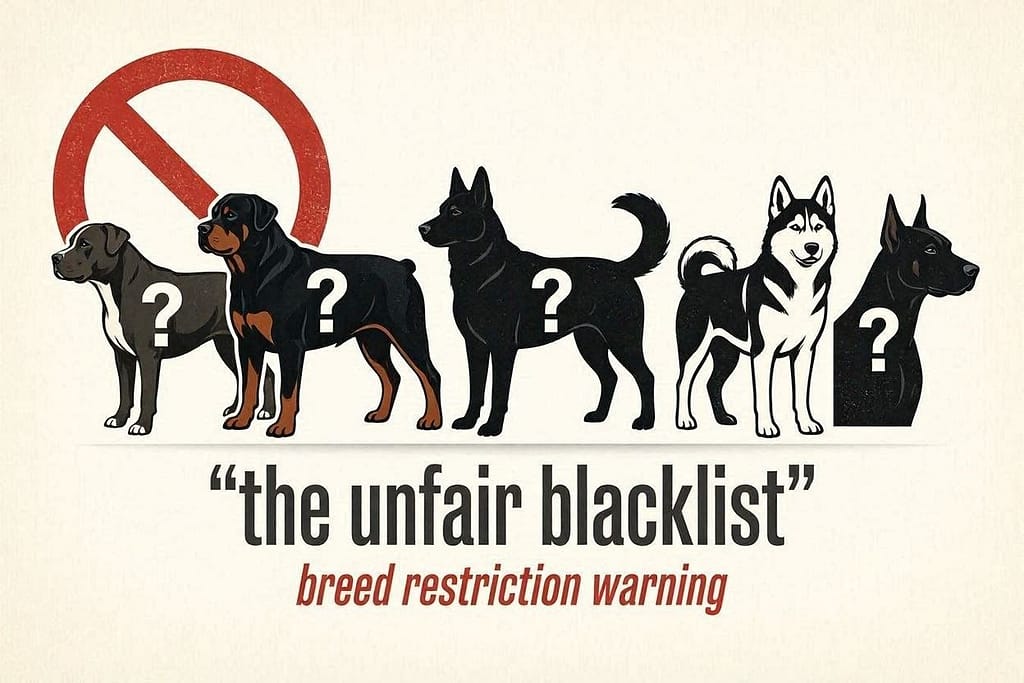
The Breed Restriction Battle: Navigating the Blacklist
The Unfair Truth About Breed Discrimination
Many insurance companies use outdated, statistically questionable breed “risk” lists.
If you have a pit bull, Rottweiler, German Shepherd, Husky, Doberman, or any mix resembling these breeds, you have extra homework.
Your Breed Restriction Survival Kit
Option 1: The Canine Good Citizen Route

- Get official AKC CGC certification
- Provide documentation to the insurer
- Some companies offer exceptions for certified dogs
Option 2: The DNA Test Strategy

- Embark or Wisdom Panel results
- Prove your “pit mix” is actually 10% pit, 90% other breeds
- Mixed breeds often escape restrictions
Option 3: The Specialist Insurer Path

- Companies like State Farm and Allstate often have more lenient policies
- Independent agents can shop multiple companies
- Consider excess liability umbrella policies
Option 4: The “Risk Reduction” Documentation
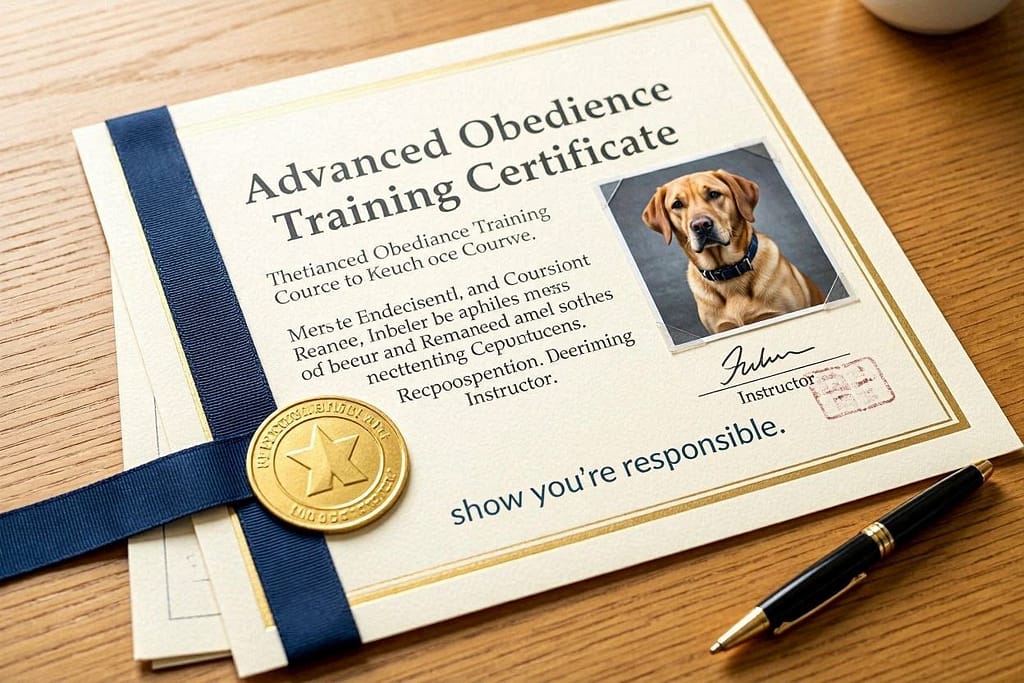
- Complete advanced obedience training
- Provide vet records showing no history of aggression
- Offer to install additional security measures
The “Before You Call” Preparation Checklist
Documents to Gather:

- Your current policy (find the actual document, not just the summary)
- Pet’s veterinary records (especially rabies vaccination)
- Pet’s breed documentation (AKC papers, DNA results, adoption papers)
- Your lease agreement (highlight pet clauses)
- List of pet-related assets (expensive crates, furniture, etc.)
Information to Know:
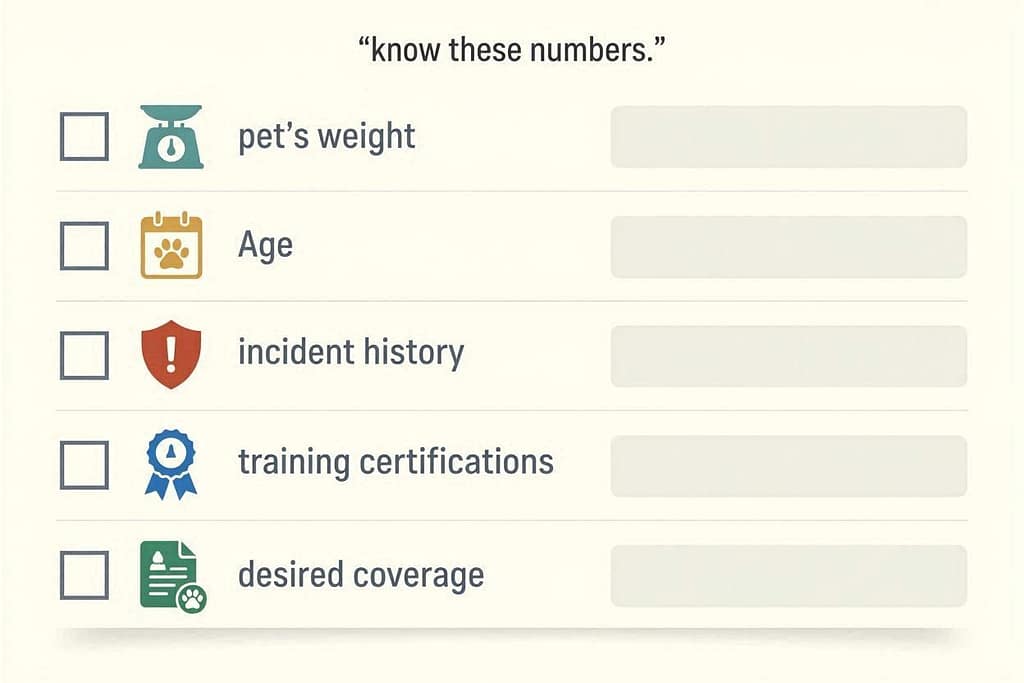
- Your pet’s exact weight
- Your pet’s age
- Any history of incidents (be honest—they’ll find out)
- Any training certifications
- Your desired coverage levels
Mindset to Adopt:
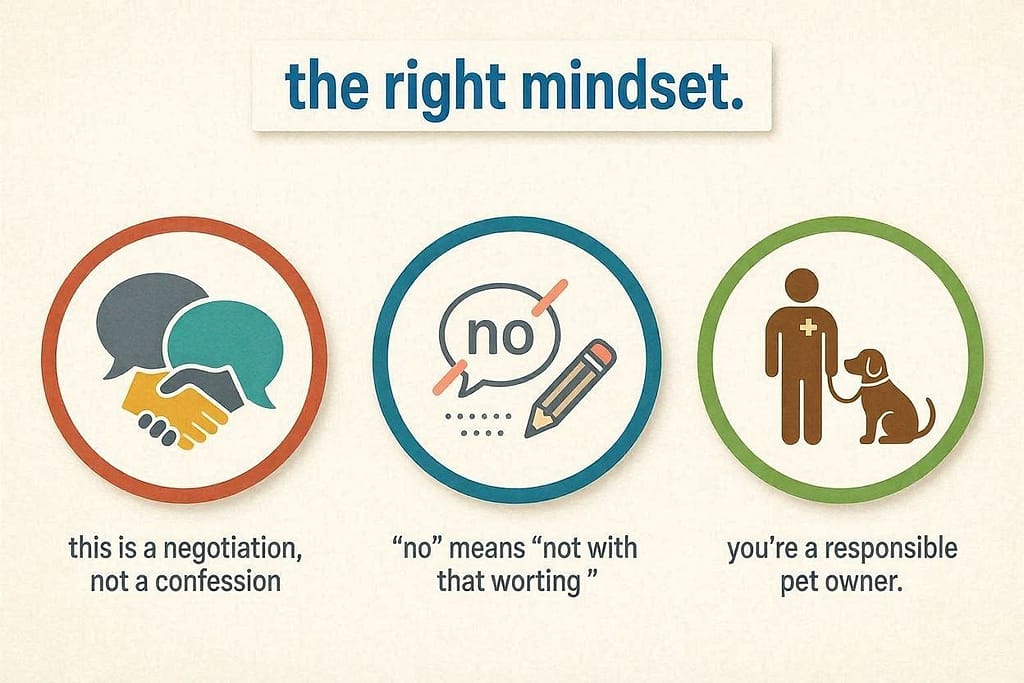
- This is a negotiation, not a confession
- “No” means “not with that wording,” not “never”
- You’re a responsible pet owner seeking appropriate coverage
- You’re willing to switch companies for proper coverage
The Call Script: Exactly What to Say

Agent: “Thank you for calling XYZ Insurance. How can I help?”
You: “Hi, I’m reviewing my renters insurance coverage and want to make sure I understand my pet coverage completely.
I have a [breed, age, weight] named [name]. Can we go through some specifics?”
[Then ask your questions from above, taking notes]
Key phrases that help:
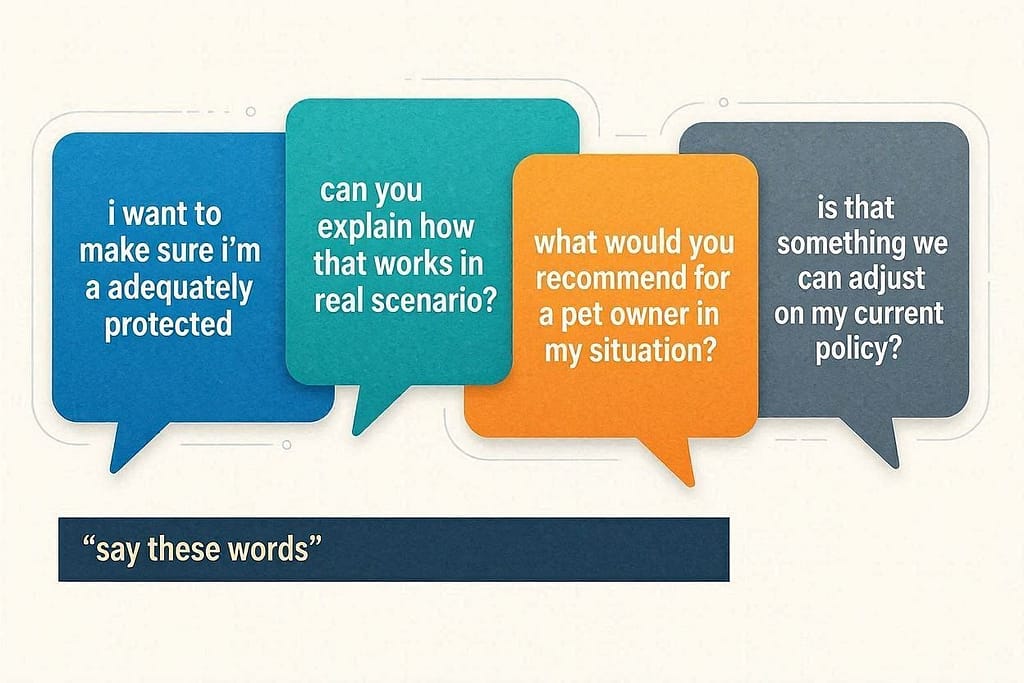
- “I want to make sure I’m adequately protected”
- “Can you explain how that works in a real scenario?”
- “What would you recommend for a pet owner in my situation?”
- “Is that something we can adjust on my current policy?”
When the Answers Are Bad: Your Next Steps
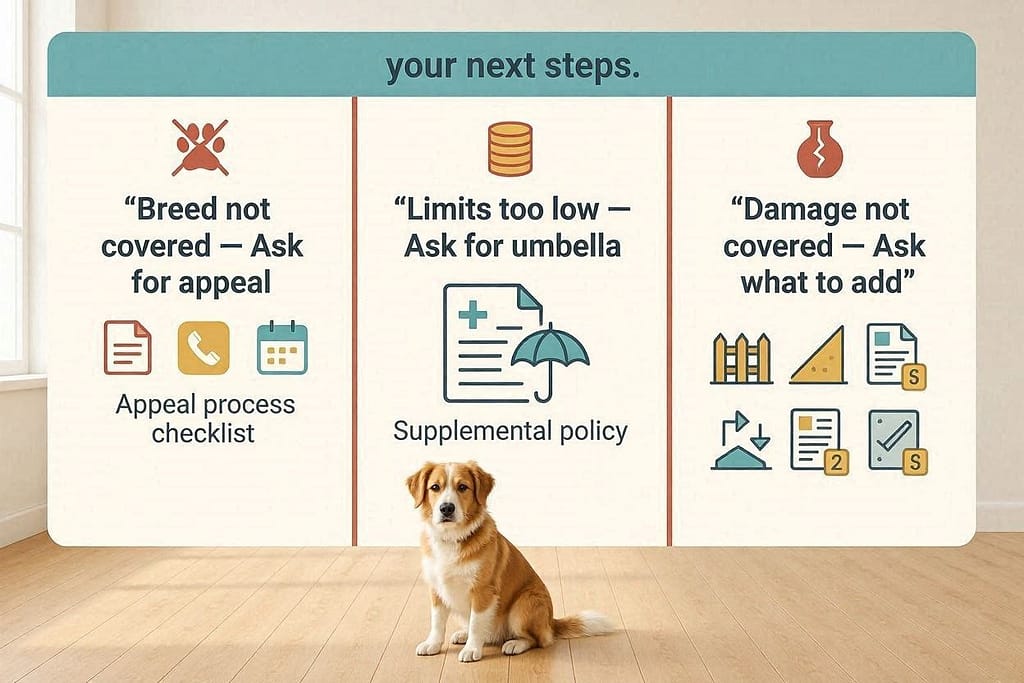
Scenario 1: “Your breed isn’t covered”
Immediate action: Ask for:
- Their complete breed restriction list
- Any appeal process
- Alternative policies they offer
- Recommendations for other companies
Scenario 2: “The coverage limits are too low”
Solution: Ask about:
- Increasing liability limits
- Adding an umbrella policy
- Separate pet liability insurance
- Bundling with auto for better rates
Scenario 3: “That damage wouldn’t be covered”
Response: “What would I need to add to get that coverage, and what would it cost?”
The Cost of Being Underinsured: Real Numbers
The Average Costs Insurance Should Cover:
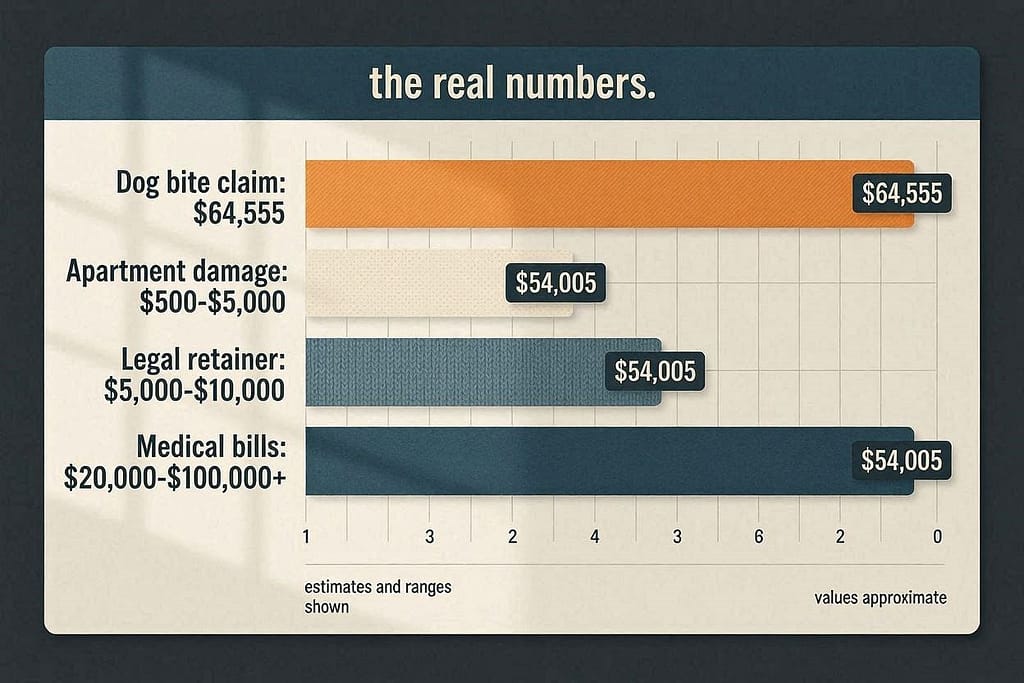
- Dog bite claim average: $64,555 (Insurance Information Institute)
- Apartment pet damage: $500-$5,000+ (carpet replacement, floor refinishing)
- Legal defense retainer: $5,000-$10,000 minimum
- Medical bills for injuries: $20,000-$100,000+ for serious incidents
What You’ll Pay Without Coverage:
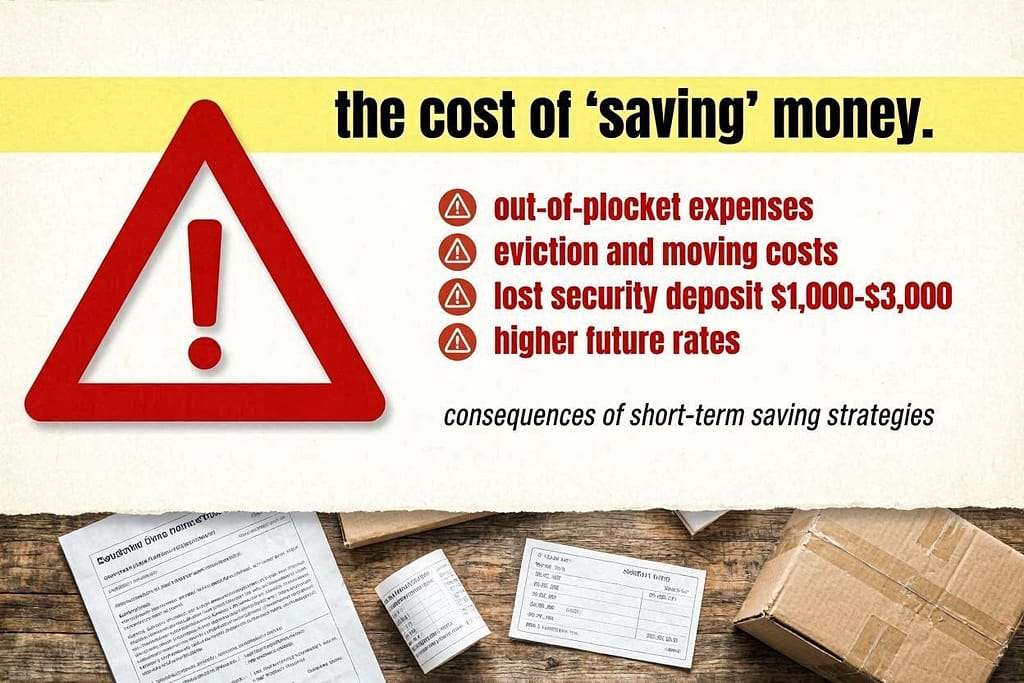
- Out-of-pocket for the above expenses
- Eviction and moving costs (if the pet is no longer allowed)
- Lost security deposit ($1,000-$3,000 typically)
- Future higher insurance rates (once you have a claim history)
Your Pet Insurance Policy Comparison Chart

[Imagine an interactive chart here where readers can check boxes]
| Coverage Type | Minimum Adequate | Ideal | What to Watch For |
|---|---|---|---|
| Liability Limit | $100,000 | $300,000+ | Per-incident vs. aggregate |
| Property Damage | $5,000 | $10,000+ | Exclusions for “preventable” damage |
| Breed Restrictions | None listed | All breeds covered | “Mixed breed” loopholes |
| Off-Premises Coverage | Included | Clearly stated | Mileage/geographic limits |
| Deductible | $500 | $250 | Higher for pet claims |
| Legal Defense | Included | Separate limit | Coverage for civil suits |
The Maintenance Plan: Keeping Your Coverage Current
Annual “Pet Policy Check-Up”
Every year when you renew:
- Update pet’s age/weight
- Add new training certifications
- Discuss any breed policy changes
- Adjust coverage for new valuable pet items
- Shop competitors (loyalty rarely pays in insurance)
Life Events That Require Immediate Updates:
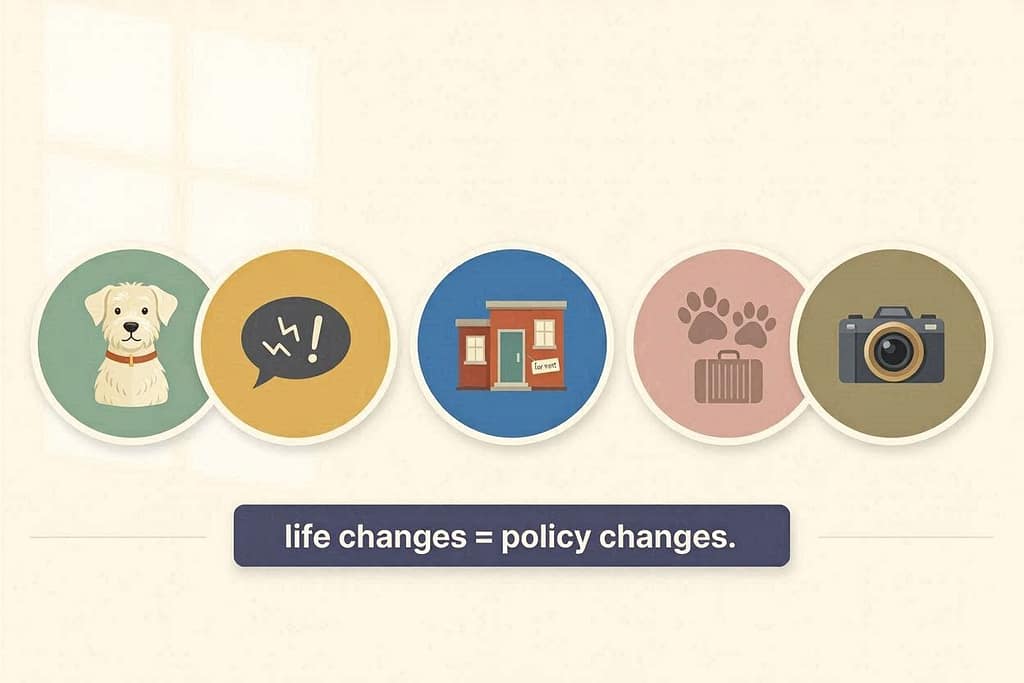
- Getting a new pet (even “temporarily”)
- Pet developing behavioral issues
- Moving to a new rental
- Starting pet sitting/boarding from home
- Adding expensive pet equipment (electric fence, premium crate)
The Final Reality Check: What Insurance Can’t Fix
Insurance Doesn’t Replace Responsible Ownership
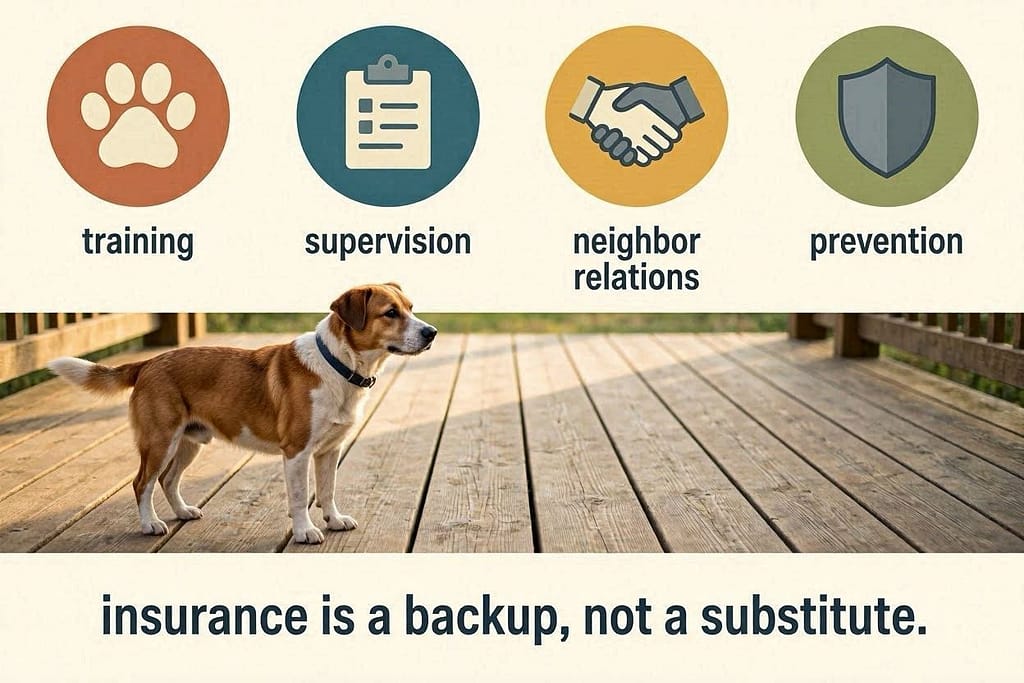
Even with perfect coverage:
- You can still be evicted for lease violations
- Your pet could be deemed “dangerous” by animal control
- You remain morally responsible for your pet’s actions
- No insurance fixes a lack of training or supervision
The Uninsurable Risks:

- Emotional harm to victims
- Your relationship with neighbors/landlord
- Your pet’s life is deemed dangerous
- Your peace of mind after an incident
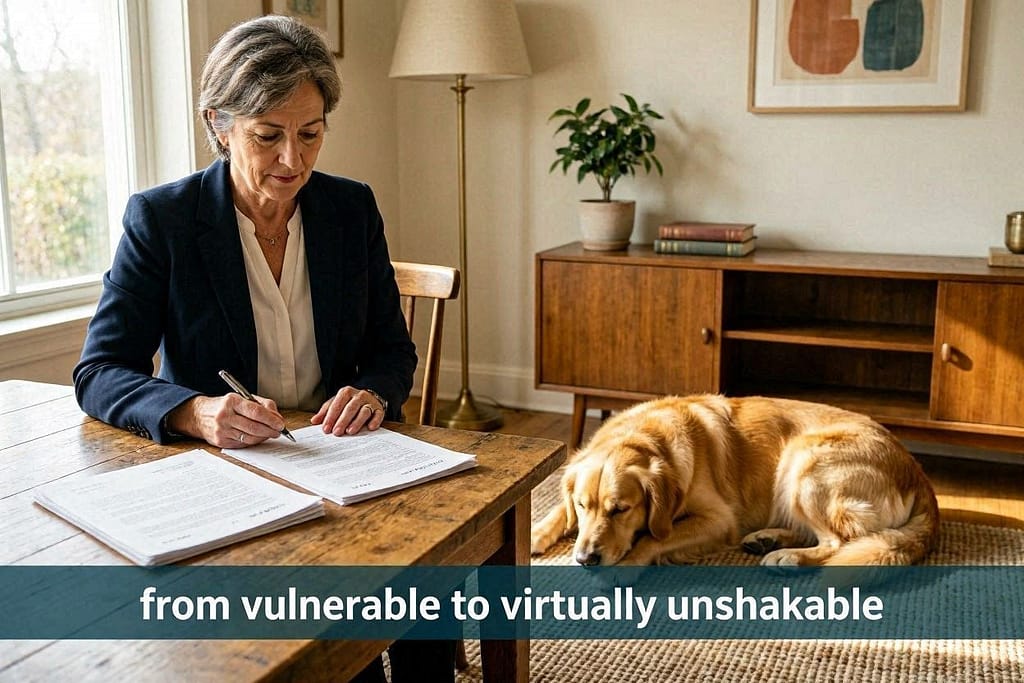
From Vulnerable to Virtually Unshakable
The fine print might still be tiny. The insurance jargon might still be confusing. The breed restrictions might still feel unfair.
But now?
Now you have something more powerful than any policy: Clarity.
You have the questions that reveal the truth. You have the vocabulary to negotiate.
You have the understanding to know when you’re protected and when you’re pretending to be.
This conversation isn’t about fearing worst-case scenarios.
It’s about respecting reality. It’s about acknowledging that our beloved pets are animals with instincts and accidents.
It’s about being the kind of pet owner who plans for problems so they can focus on joy.
That 20-minute call with your insurance agent isn’t paperwork. It’s:
- A shield against financial ruin
- A demonstration of responsible ownership
- A commitment to your neighbors’ safety
- A love letter to your pet that says “I’ve got us covered”
You don’t need to become an insurance expert. You don’t need to memorize policy numbers. You don’t need to live in fear.
You need one scheduled call. Fifteen prepared questions. And the willingness to hear answers that might require change.
So this week, between fetch sessions and cuddle time, make that call. Transform your assumptions into assurances. Exchange vague worries for specific protections.
That moment— when you hang up knowing exactly where you stand, when you can look at your sleeping pet and know you’ve built a safety net strong enough for any storm, when you realize that being a responsible pet parent includes this unglamorous but crucial task—that’s when you graduate from pet owner to pet protector.
The questions are prepared. The phone is ready. Your financial future—and your pet’s place in your home—deserves this conversation.
🐾 — Apartment Dog Guide (ADG)
Living large in small spaces, one paw at a time. That’s the apartment dog life—see you in the next guide!.


