
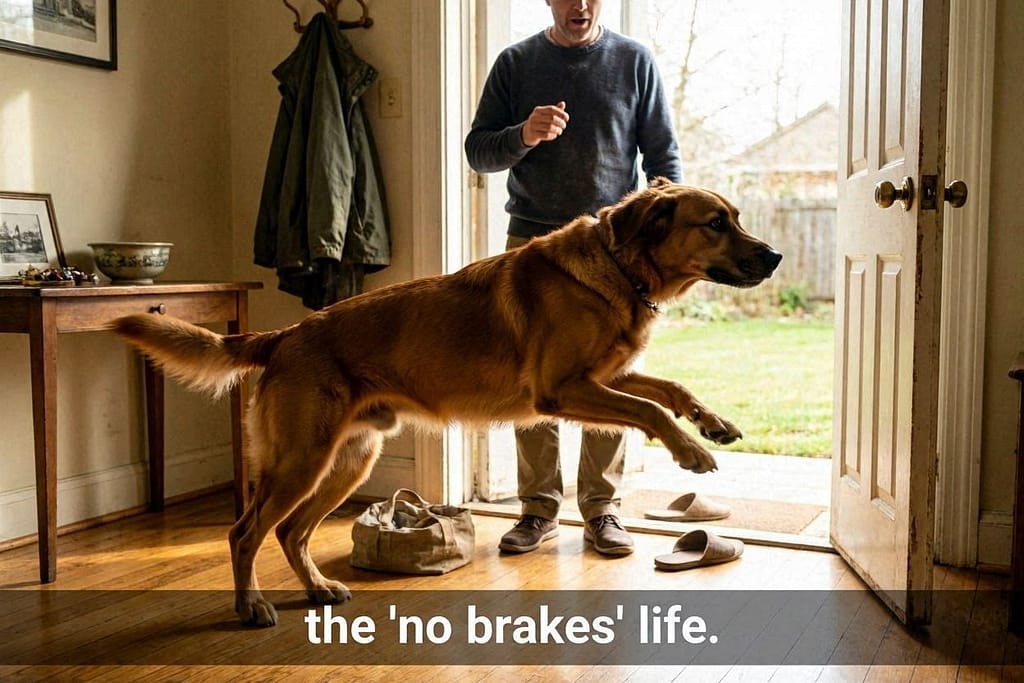
It starts with a sprint.
The doorbell rings, and your dog becomes a barking, leaping torpedo toward the entryway.
You try to eat a snack, and suddenly there’s a nose on your plate.
A toy rolls under the couch, and you witness a frantic, whining excavation attempt.
If your apartment sometimes feels like the stage for your dog’s impulsive reactions, you’re not just dealing with excitement.
You’re missing a key life skill: impulse control. In a small space, a dog without brakes isn’t just energetic—they can be disruptive, stressful, and hard to live with.
But what if you could transform that reactive energy into focused calm?
What if you could teach your dog that waiting is more rewarding than lunging?
Impulse control isn’t about suppressing your dog’s spirit.
It’s about giving them a superpower: the ability to pause, think, and make a good choice.
It’s the foundation for polite greetings, calm alone time, and ignoring that dropped grape on the kitchen floor.
The best part?
You don’t need a backyard or fancy equipment.
Your apartment is the perfect training ground.
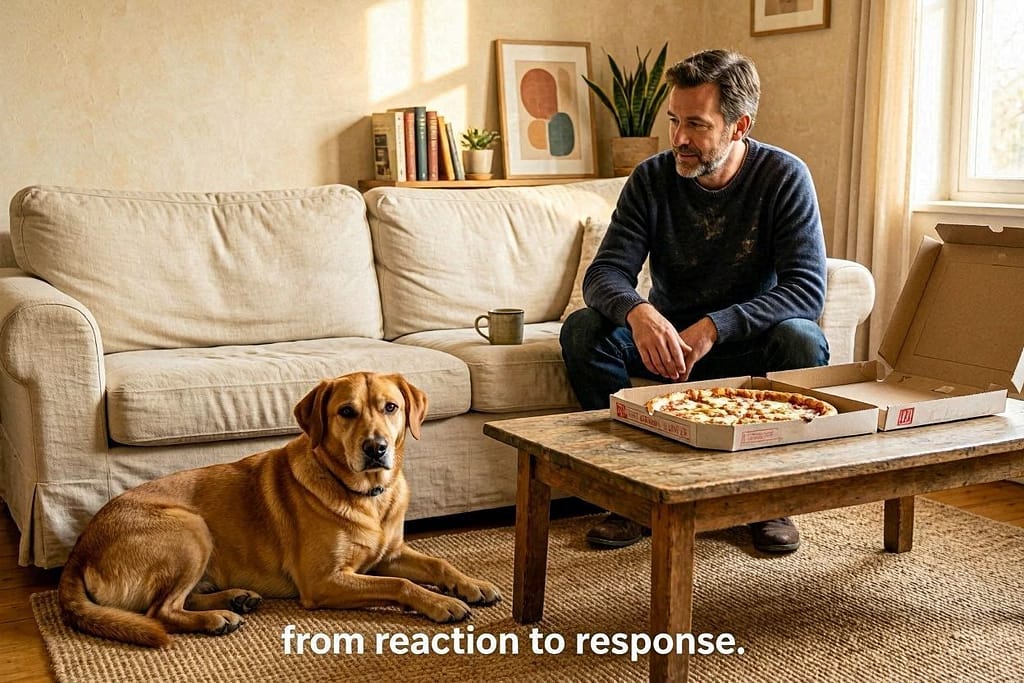
One of our readers has used these very games to transform their own high-drive dog from a door-dashing maniac into a dog who can calmly watch a pizza box be opened.
Ready to trade reaction for response?
Let’s play some games.
Why Impulse Control is Your Apartment’s Secret Weapon
Before we jump into the games, let’s understand what we’re building and why it’s so critical for shared walls and limited square footage.
Impulse control is simply the pause between a stimulus and your dog’s reaction.
It’s that moment where they could jump, bark, or grab, but instead, they choose to look to you.
In an apartment, this skill directly solves your biggest headaches:
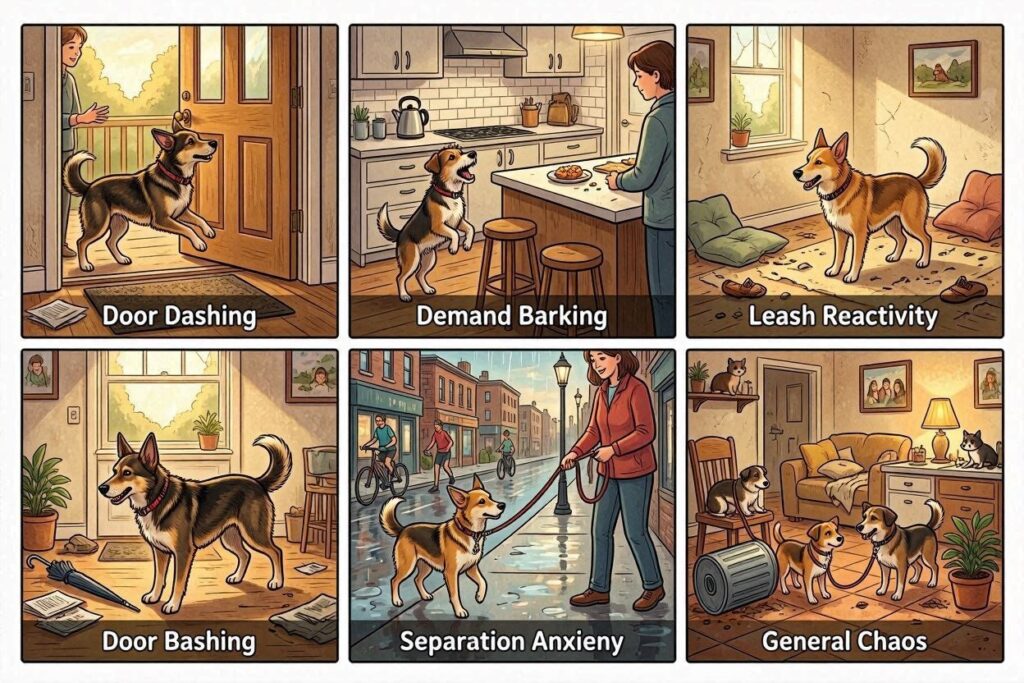
- Door Dashing: Prevents dangerous escapes into hallways or elevators.
- Demand Barking: Reduces noise complaints by teaching patience.
- Leash Reactivity: Creates mental space to choose calm over lunging.
- Separation Anxiety: Builds tolerance for frustration and delayed gratification.
- General Chaos: Creates a calmer household vibe, which is everything in a small space.
The Training Mindset Shift: We are not punishing the “bad” impulse.
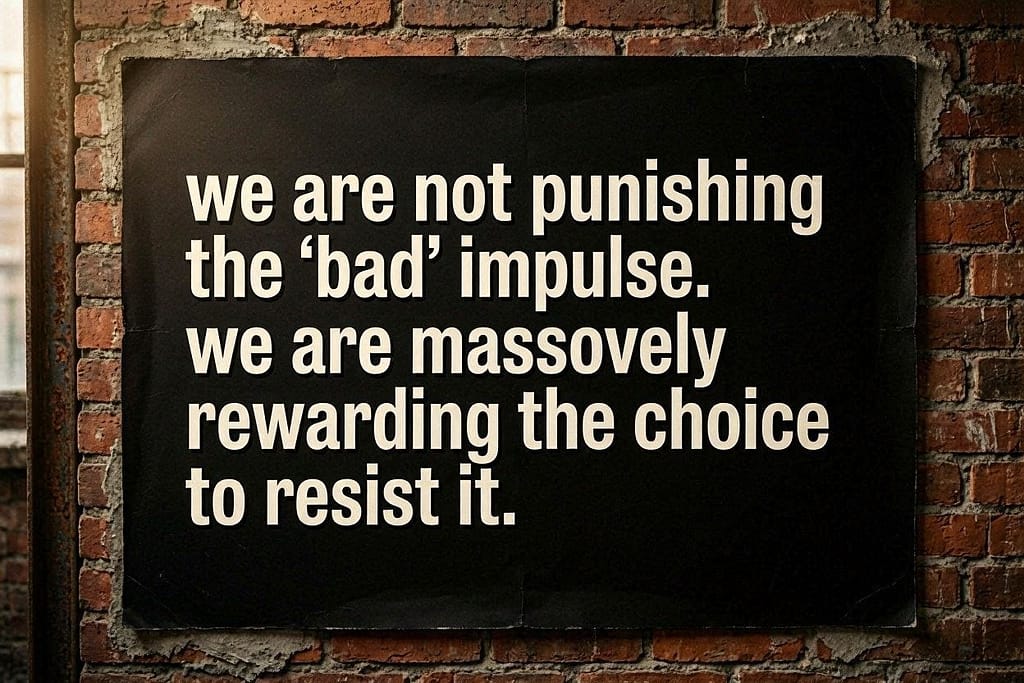
We are massively rewarding the choice to resist it.
We make calmness more fun and rewarding than chaos.
The theory is clear. Now, let’s turn your living room into a training studio with our first foundational game.
Game #1: “It’s Yer Choice” – The Foundational Willpower Workout
This game, popularized by trainer Susan Garrett, is the cornerstone of all impulse control.
It teaches your dog that self-control leads to good things.
The Goal: Dog learns that ignoring the treat in your hand is what makes you give them a treat from your other hand.
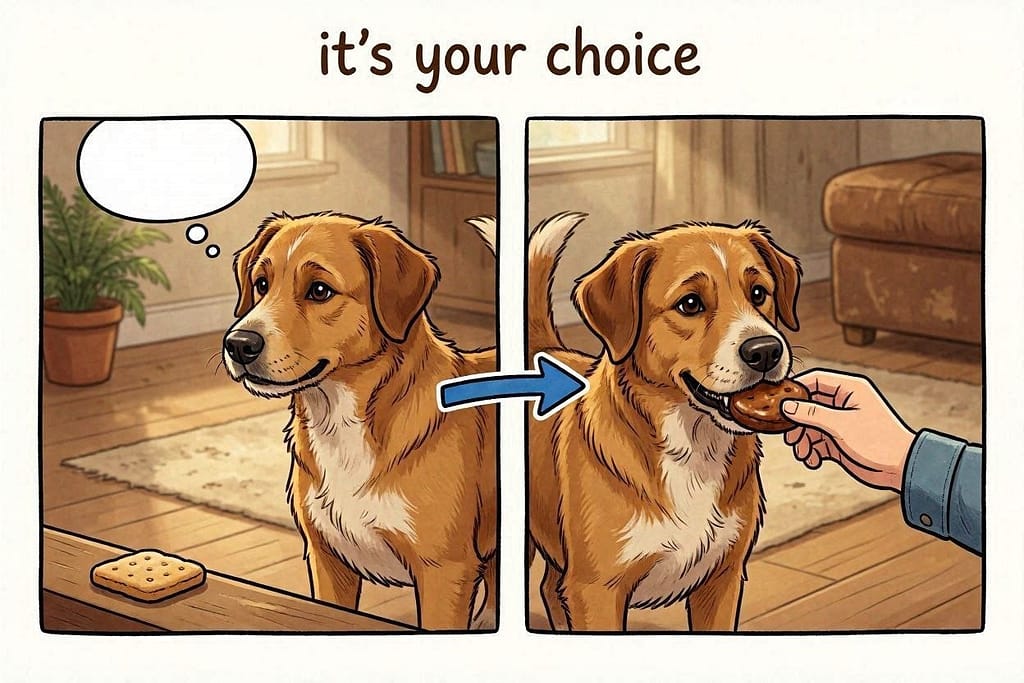
How to Play (Step-by-Step):
- Sit on the floor with your dog. Have two types of treats: low-value in a closed fist, high-value in your other hand behind your back.
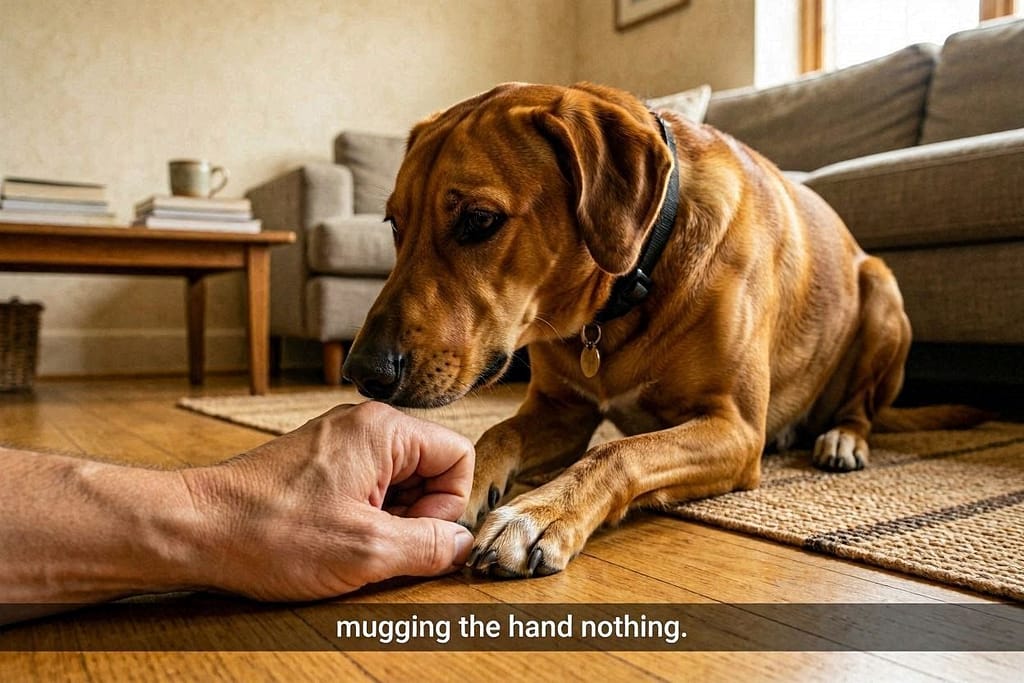
- Present your closed fist with the low-value treat. Your dog will likely sniff, lick, or paw at it. Be a statue. Say nothing.
- Wait for the magic moment. Eventually, your dog will back off even a millimeter. The instant they do, say “YES!” and reward them with the high-value treat from your other hand.
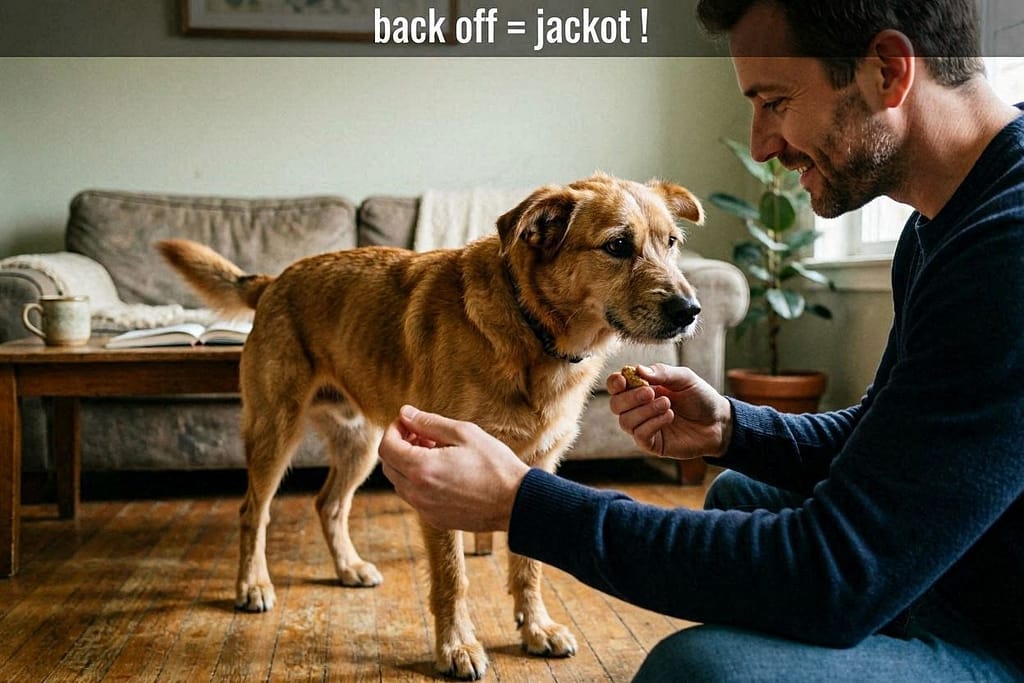
4. Repeat. They learn: “Mugging the hand = nothing. Moving away from the hand = jackpot!”
Progressing the Game:
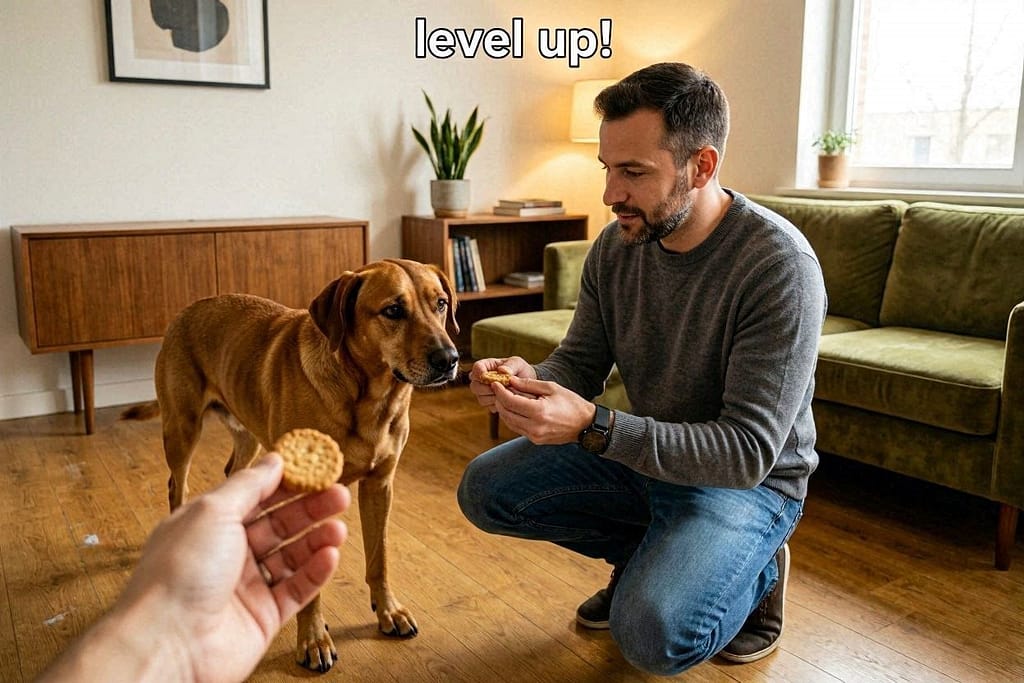
- Level 2: Open your palm with the treat visible. If they go for it, close your hand. Reward from your other hand when they back off.
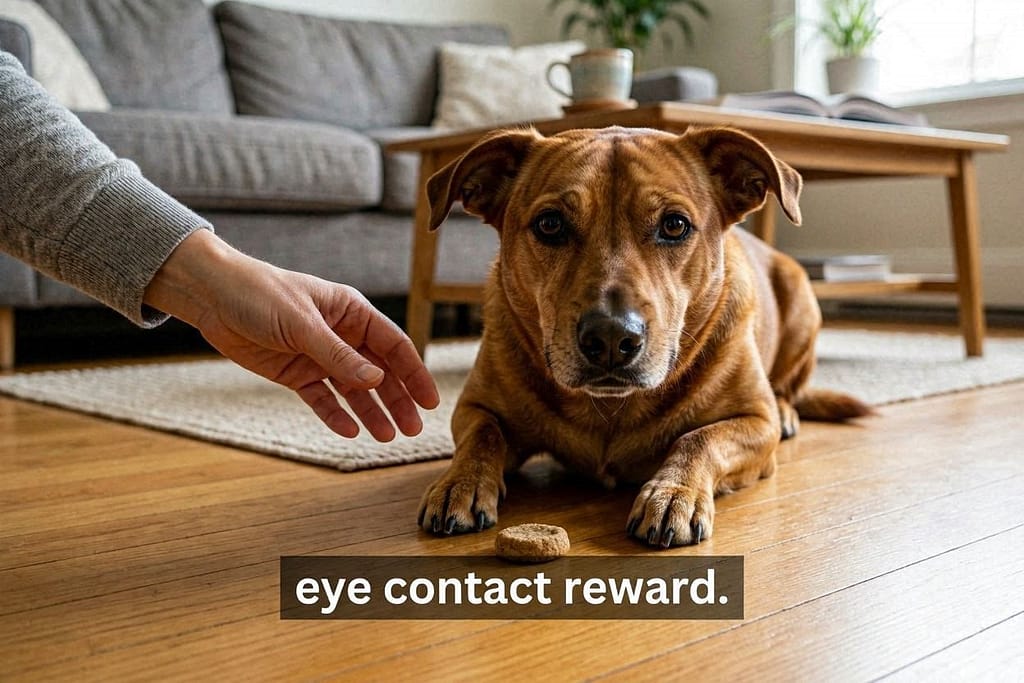
- Level 3: Place a treat on the floor. Cover it with your hand if they dive for it. Reward from your other hand when they make eye contact with you instead.
- Level 4: Drop a treat from waist height. If they move to catch it, catch it yourself first. If they wait, reward with two treats!
“It’s Your Choice” builds willpower. Now let’s apply it to a critical apartment moment: the doorway.
Game #2: The Doorway “Wait” & “Release” Protocol
A reliable door wait is non-negotiable for apartment safety.
This game turns a tense moment into a fun, structured ritual.
The Goal: Dog automatically sits and waits at any open doorway until released.
How to Play:
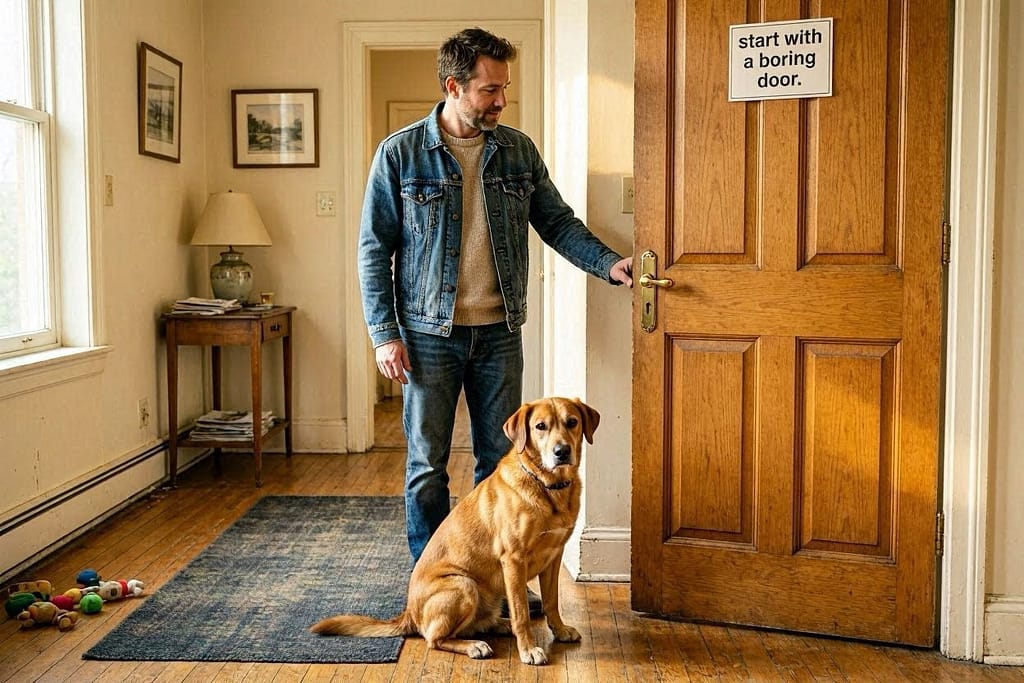
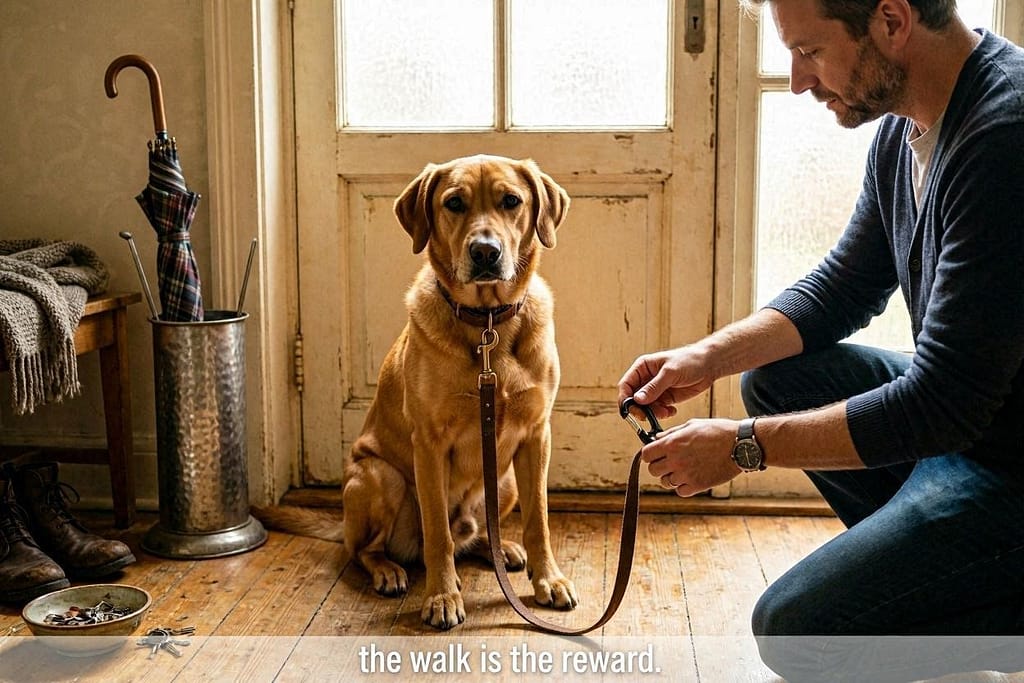
- Start with a boring door (like a bedroom or bathroom door) on a leash.
- Approach the door. Ask for a “sit” several feet before the threshold.
- Reach for the handle. If your dog breaks the sit, remove your hand. No drama, just a reset.
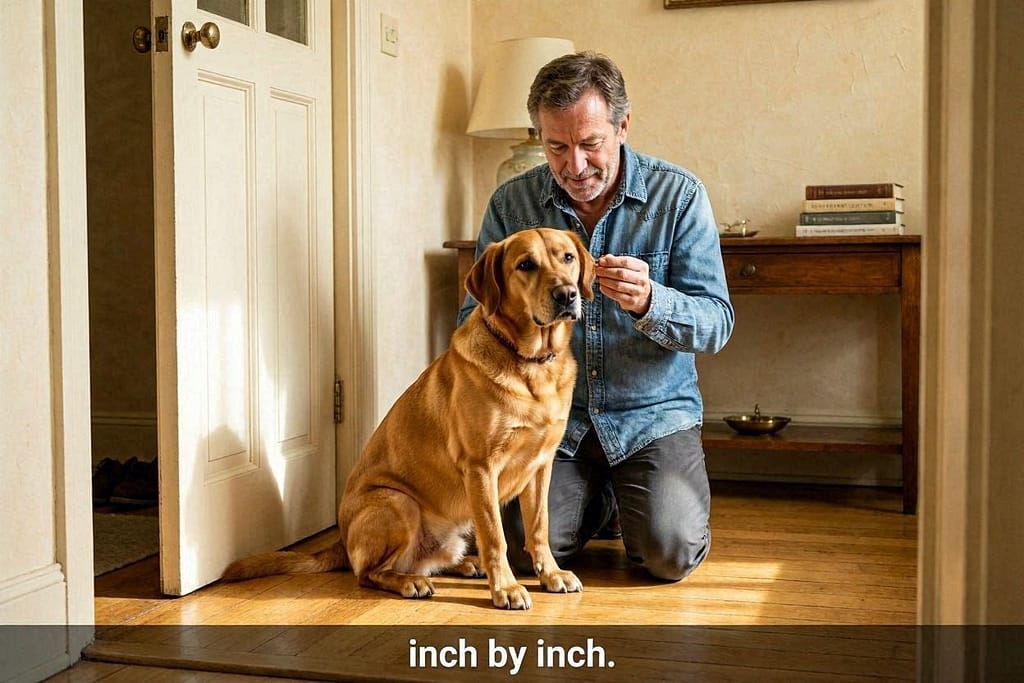
4. Open the door an INCH. If they hold, mark (“Yes!”) and reward in the sit.
5. Gradually open the door more, rewarding for stillness. The door only opens when they are calm.
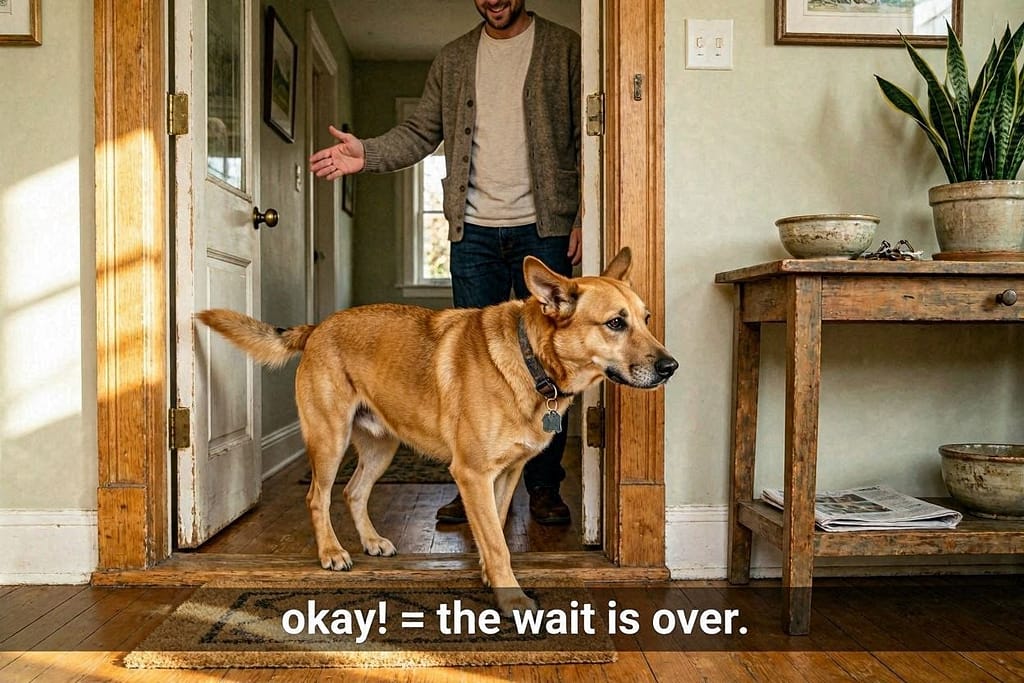
6. Add the release cue. After rewarding the wait, say a clear release word like “OKAY!” or “FREE!” and encourage them through.
Pro Tip: Never use the release word to call them away from something they want.
Use “Come” for that. The release word should only mean “the wait is over, you may now move.”
The Real-World Test: Practice before every walk. The walk is the ultimate reward for a calm wait at the doorway.
Doorways are mastered. Now let’s tackle one of the toughest tests: your dog’s own food bowl.
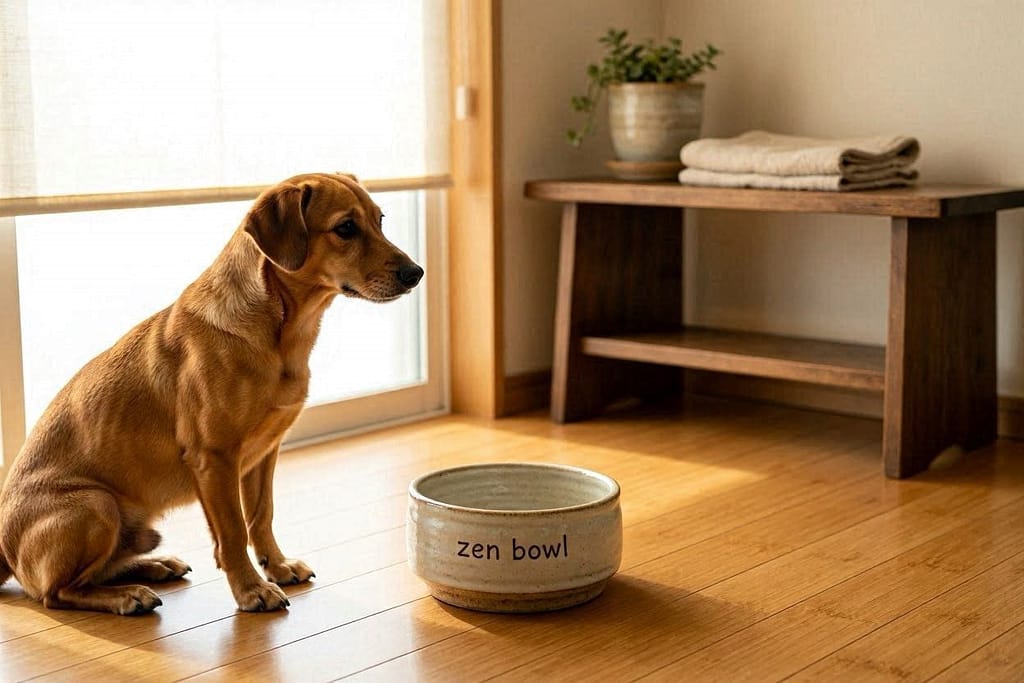
Game #3: The “Zen Bowl” – Mealtime Mindfulness
This game builds profound emotional control around one of your dog’s biggest motivators: food.
The Goal: Dog sits calmly while you prepare, place, and eventually release them to their bowl.
How to Play:
- Pick up the empty bowl. Have your dog sit. Place a handful of kibble in the bowl.
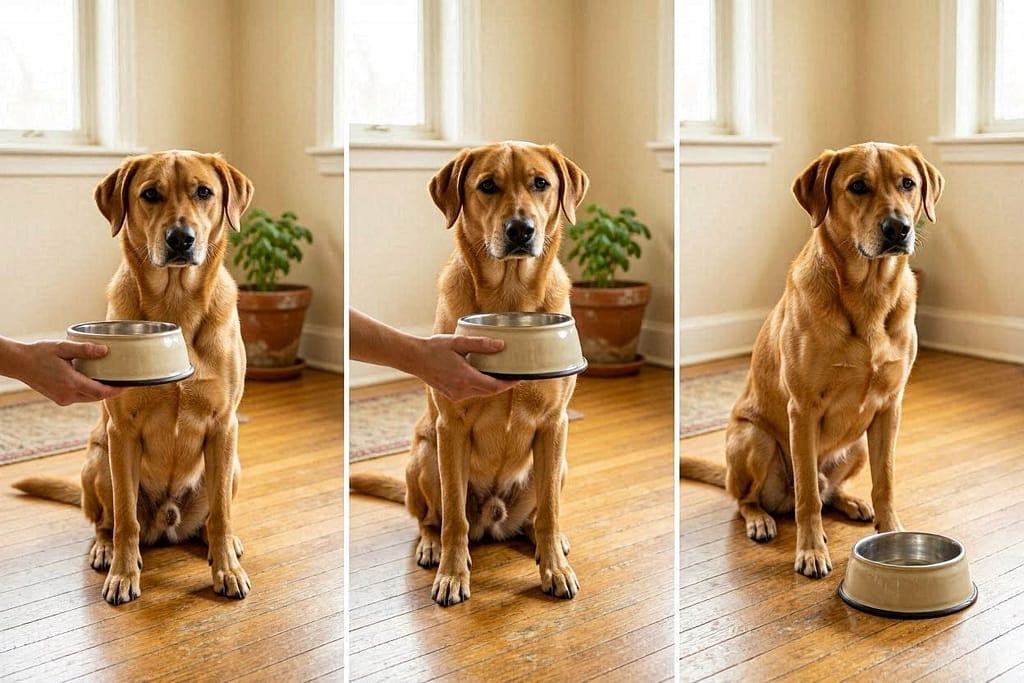
2. Start to lower the bowl. If your dog gets up or lunges, immediately bring the bowl back up to your chest. Be a neutral, non-reactive wall.
3. Wait for them to sit again. Lower the bowl a little more. Repeat until the bowl is on the ground, but with your foot or hand lightly on it.
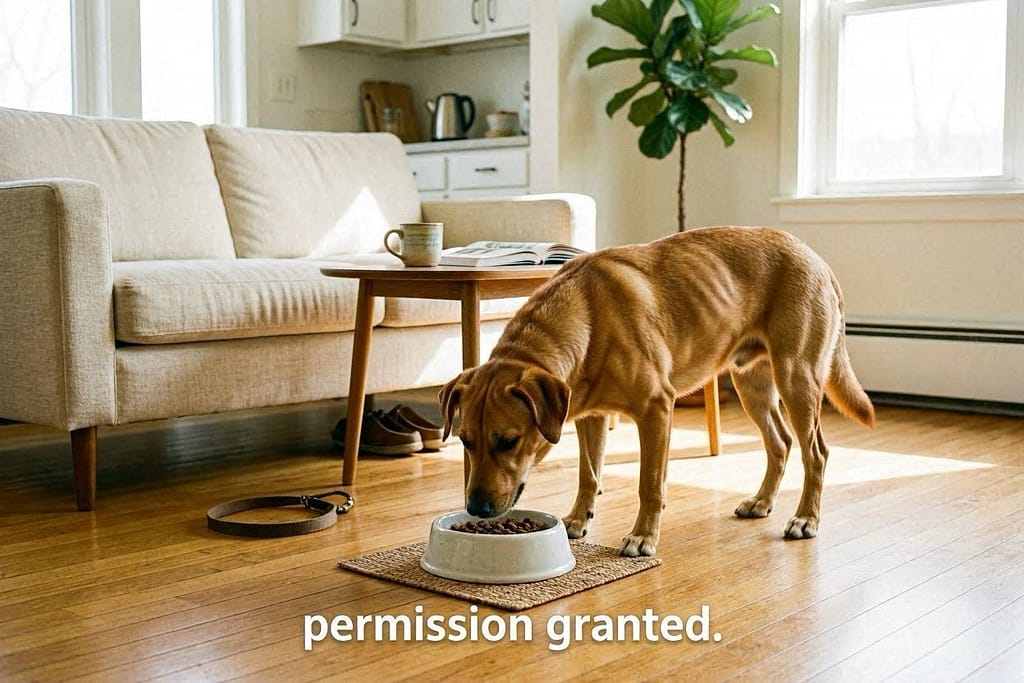
4. The Final Release: Once the bowl is down and your dog is calmly sitting, say your release word (“OKAY!”) and remove your foot/hand.
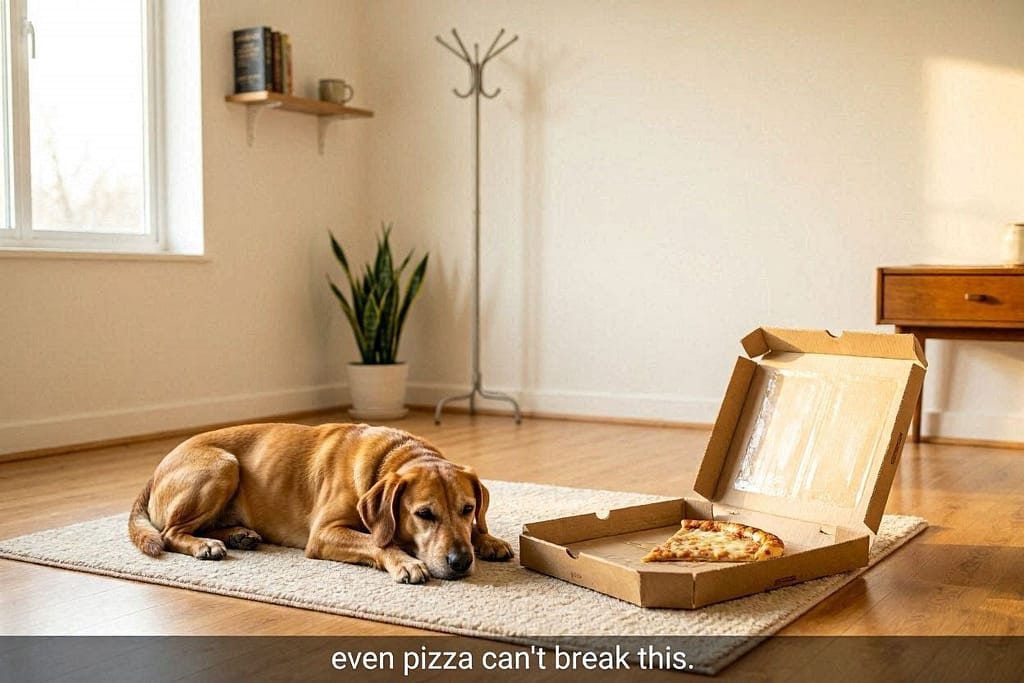
Next-Level Zen: Practice with higher-value food, or add a “wait” after the bowl is down before the release. You’re building the muscle that says, “Even when it’s right there, I can wait for permission.”
Food bowl focus is intense.
Let’s lighten the mood with a game that feels like pure fun but builds serious restraint.
Game #4: “Leave It” with a Twist: The Tug-of-War Trade
A classic “leave it” is vital, but this version teaches your dog to willingly give up something they’re already enjoying—a key skill for resource guarding and safe play.
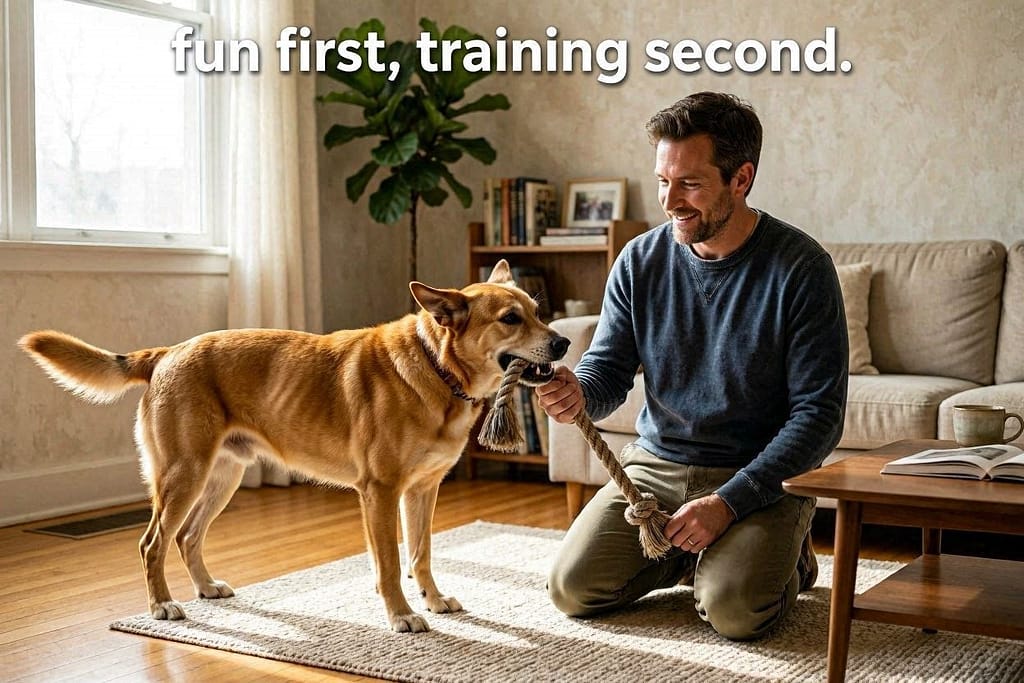
The Goal: Dog happily releases a toy on cue for the chance to re-engage in an even better game.
How to Play:
- Initiate a gentle game of tug with a favorite toy.
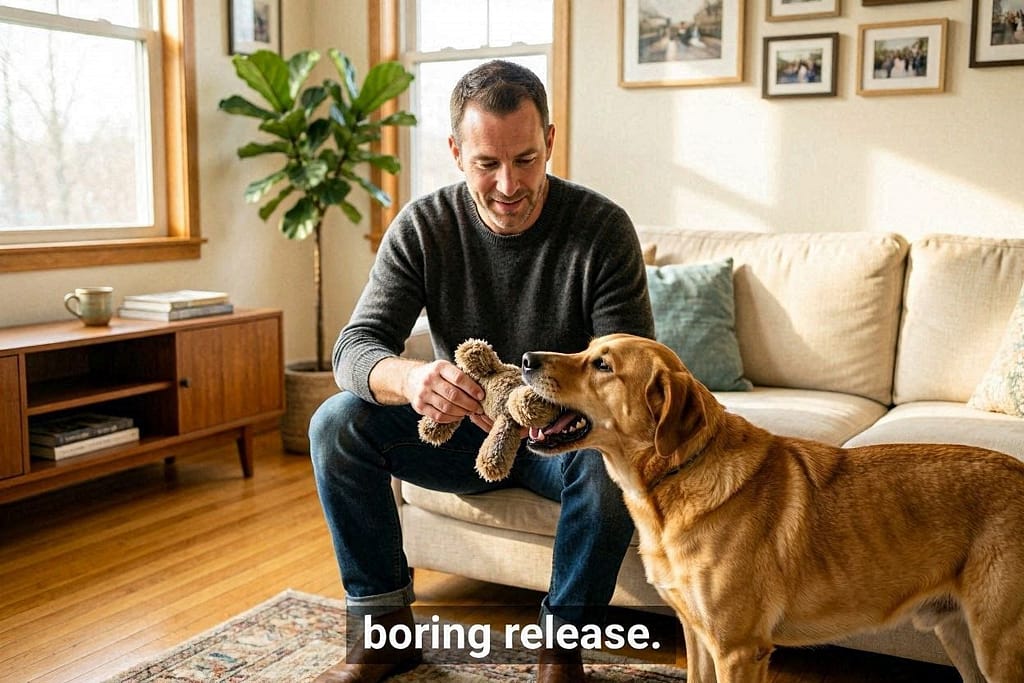
2. After a few seconds, become boring. Stop moving the toy. Hold it still.
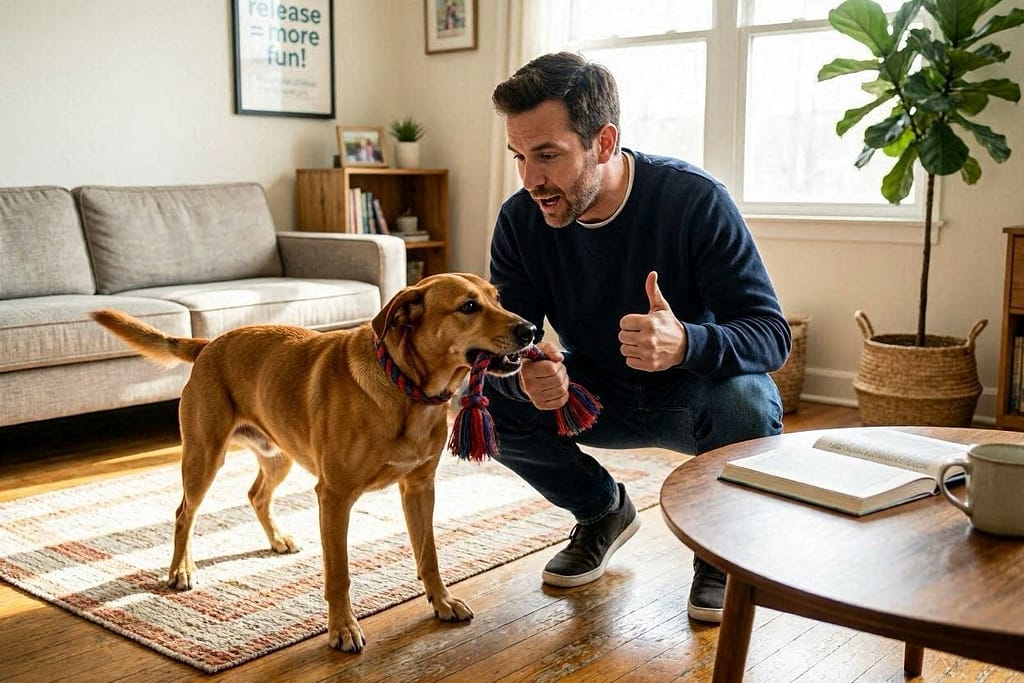
3. The moment your dog releases (even out of confusion), mark (“Yes!”) and immediately restart the game with more energy!
4. Add the cue. As they are about to release, say your release word (“Drop” or “Out”).
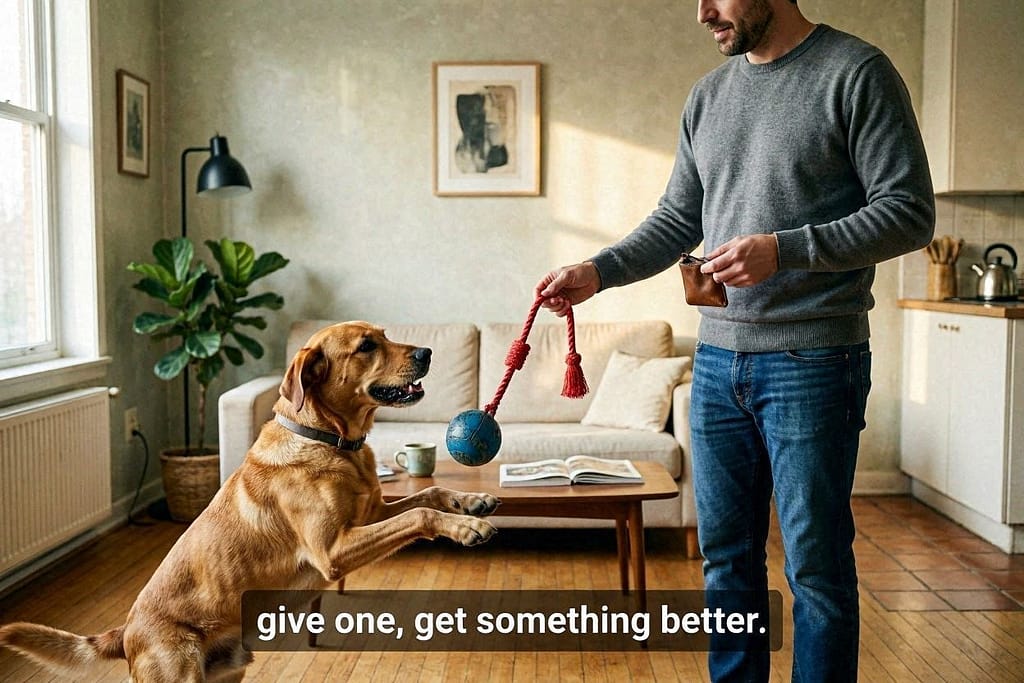
5. The Upgrade: Once they reliably drop, introduce the “trade.” They drop the toy, and you immediately show a different, even more exciting toy or a treat. Play with the new item. They learn: “Giving up one good thing leads to another good thing!”
We’ve worked on food, toys, and doorways.
Let’s build a lasting state of calm with the ultimate apartment chill-out game.
Game #5: The “Mat” or “Place” Game – The Calmness Anchor
This isn’t a game with a clear start and end. It’s the practice of going to a specific spot (a mat or bed) and settling there—the ultimate impulse control for general excitement.
The Goal: Dog goes to their mat and chills out, even when things are happening around them.
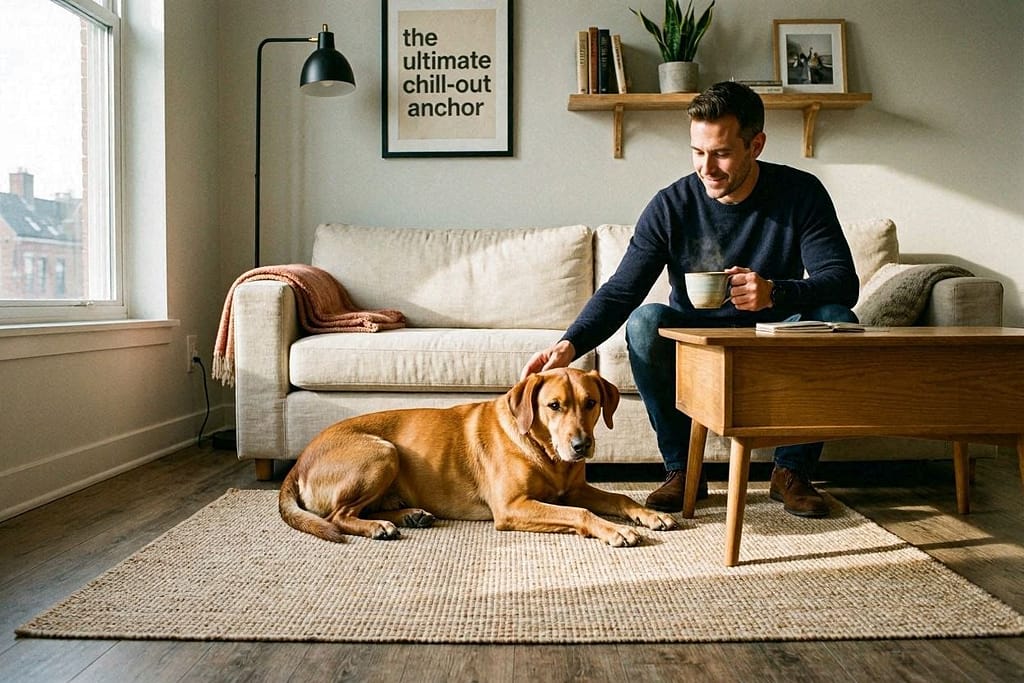
How to Play:
- Introduce the mat. Toss a treat onto it. The moment your dog steps on it to get the treat, say “YES!” and toss another treat onto it.
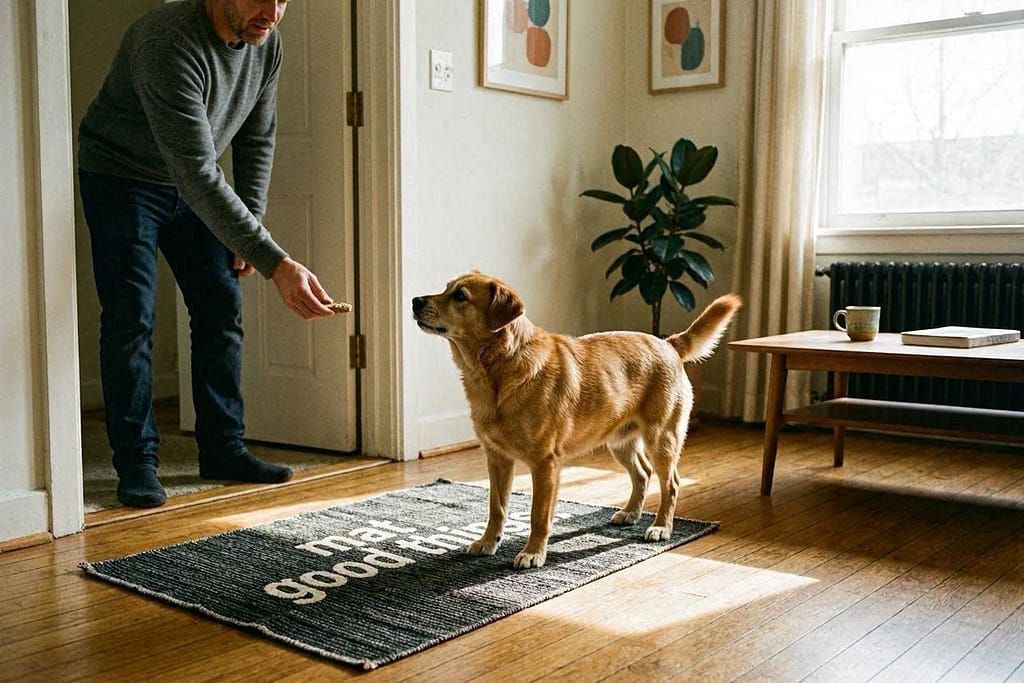
2. Add the cue. As they move toward it, say “Go to your mat.”
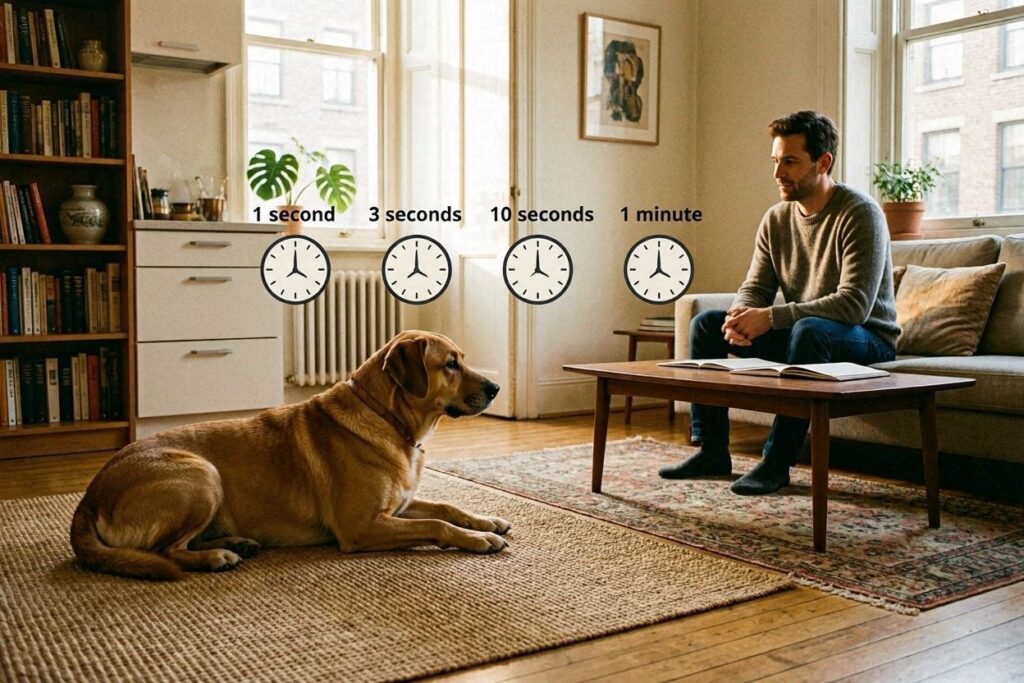
3. Build duration. Start feeding treats rapidly while they’re on the mat. Then slowly pause for half a second between treats, then a second, then two seconds. Reward for staying.
4. Add distance. Take one step back from the mat, return, and reward. Gradually increase your distance.
5. Add mild distractions. Slightly shift your weight, or drop a pen softly away from the mat—reward for ignoring it.
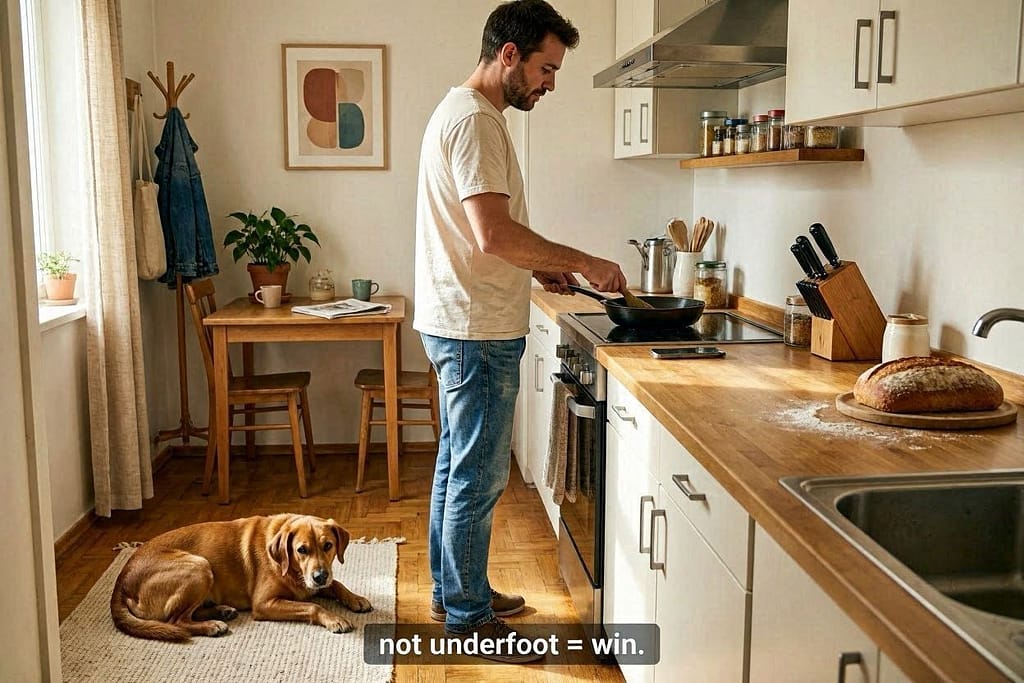
The Real-World Superpower: Use the mat when you’re cooking (so they’re not underfoot), when guests arrive (to prevent jumping), or when you need 20 minutes to focus on work.
Troubleshooting: When Your Dog “Fails” the Game
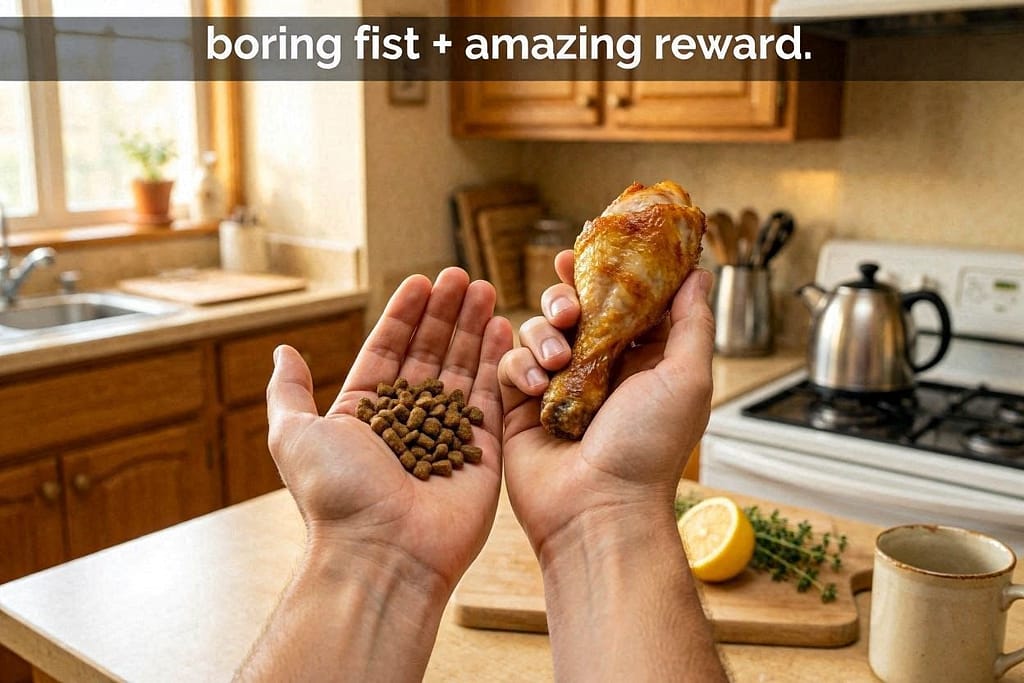
- “My dog never disengages from my fist in ‘It’s Yer Choice.'” → Your treats are too high-value. Use boring kibble in your fist and amazing chicken as the reward. Or, make your fist a solid, uninteresting rock.
- “My dog breaks the wait as soon as I move.” → You progressed too fast. Go back to a step they can succeed at 8 out of 10 times. Make your movements smaller and slower.
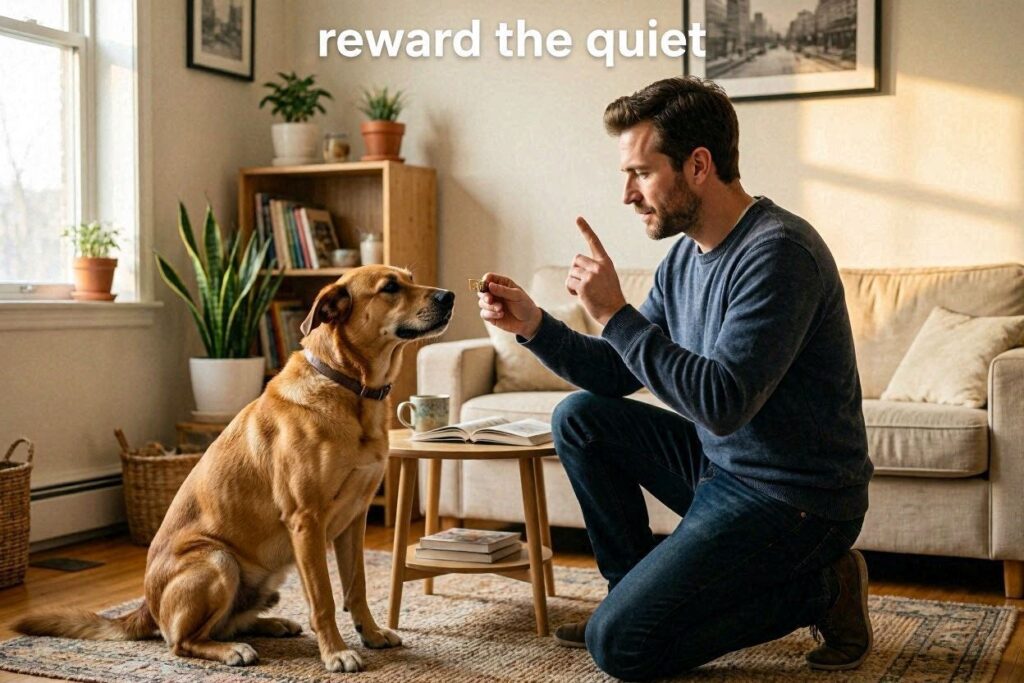
- “He gets frustrated and barks at me.” → This is common! It means they’re thinking but haven’t found the right answer yet. Stay silent and wait. The second the barking stops, even for a split second, mark and reward. You’re now rewarding the quiet, not just the disengagement.
- “She just stares at me intensely instead of going for the treat.” → That’s okay! Intense staring is a form of self-control. Reward that! You can later shape a calmer “look.”
Putting It All Together: Your Weekly Impulse Control Schedule

- Morning: “Zen Bowl” breakfast.
- Mid-Day: 5-minute session of “It’s Yer Choice.”
- Before Walks: Doorway “Wait” protocol.
- Evening: 5 minutes of “Tug-Trade” or “Mat” practice while you watch TV.
- Throughout the Day: Randomly ask for a “sit” or “mat” before anything good happens (petting, throwing a toy, opening the balcony door).
The Calm After the Choice
Teaching impulse control through games does more than stop unwanted behaviors.
It builds a dialog of trust between you and your dog. They learn they can trust you to guide them, and you learn to trust their ability to make good choices.
The change won’t be overnight.
Some days will feel like a breakthrough, and others like a step back.
But consistently, you are building new neural pathways in your dog’s brain.
You are literally changing their default setting from “react” to “pause.”
Start with one game. Master it. Celebrate the tiny victories—the first time they glance away from your fist, the first three-second “wait” at the door.
These small moments are the building blocks of a calm, polite, and deeply connected apartment companion.
🐾 — Apartment Dog Guide (ADG)
Living large in small spaces, one paw at a time. That’s the apartment dog life—see you in the next guide!.


